
 EN
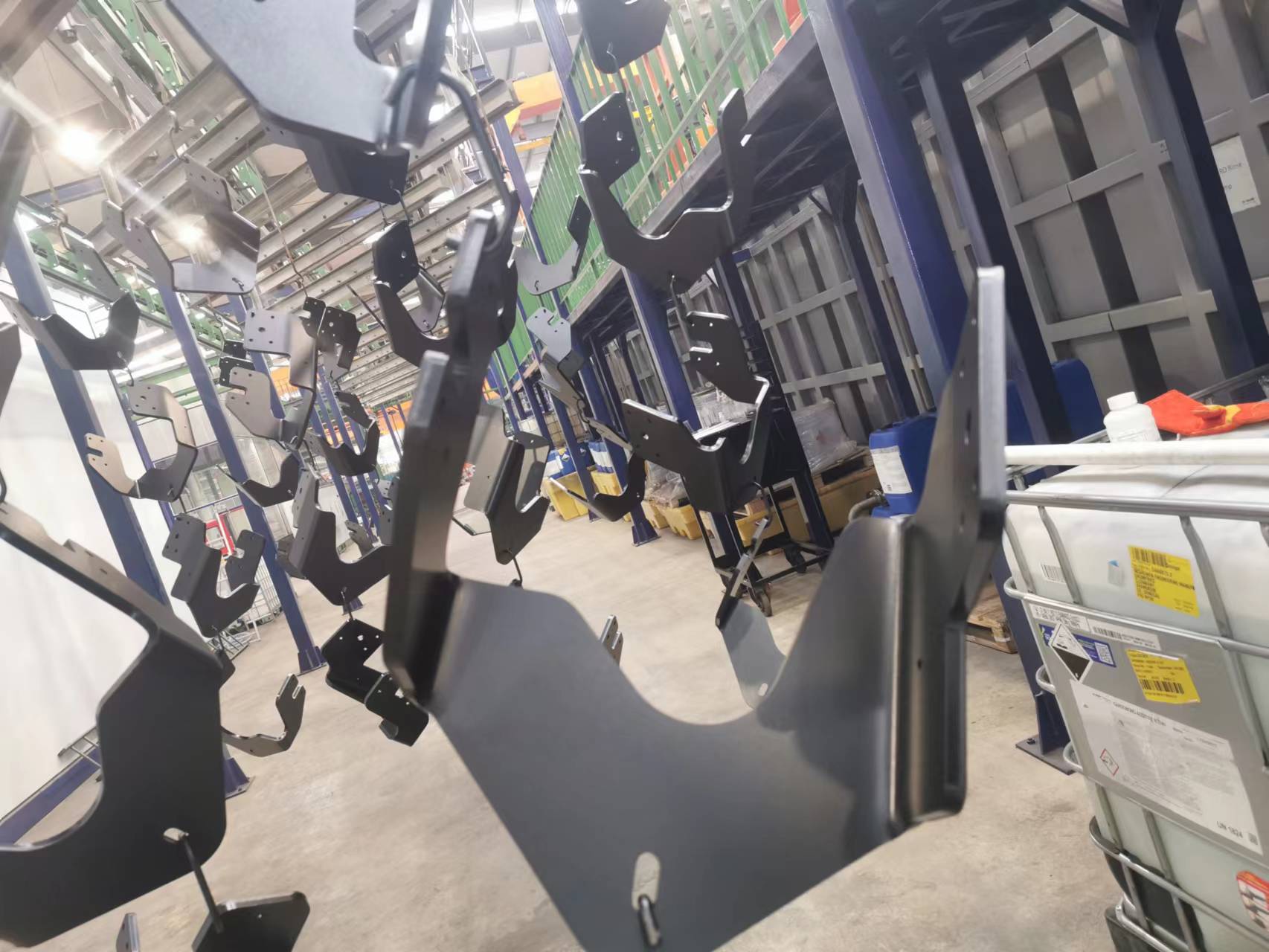
An e-coating line is a critical investment in automotive and industrial manufacturing, delivering uniform protection and finish quality to metal components. However, operators and maintenance teams frequently encounter challenges that disrupt production, reduce coating quality, or increase operational costs. Understanding the most common problems in an e-coating line and their solutions is essential for maintaining consistent output and extending equipment life. These issues range from electrical inconsistencies and bath chemistry imbalances to filtration failures and process control drift. By addressing these challenges systematically, manufacturers can minimize downtime, improve product quality, and maximize return on their e-coating line investment.
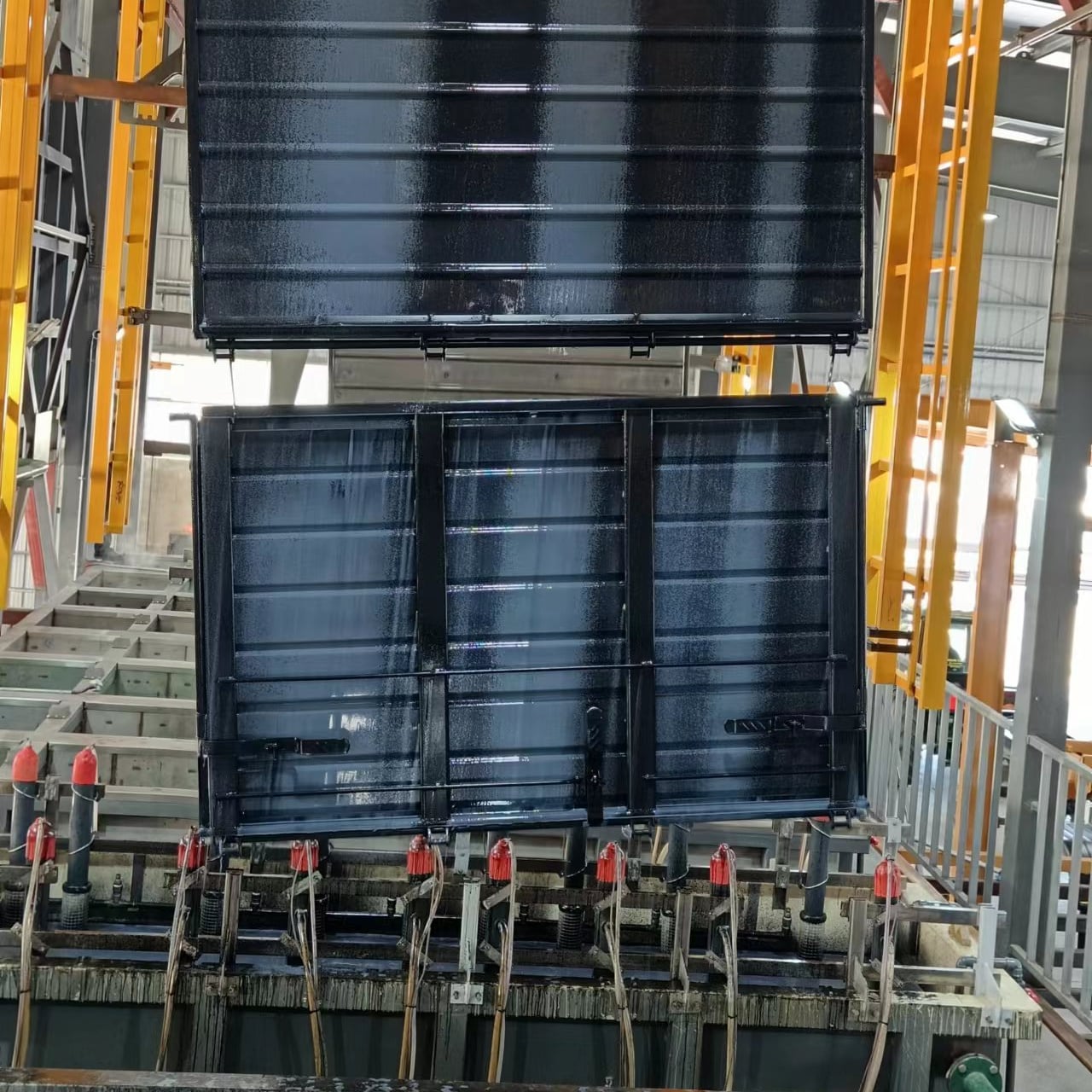
Proper diagnosis and preventive maintenance transform an e-coating line from a source of frustration into a reliable production asset. Most problems stem from predictable root causes that skilled teams can address through systematic troubleshooting and disciplined process management. This article explores the most significant obstacles facing e-coating line operations, explains why they occur, and provides actionable solutions that manufacturers can implement immediately.
Electrical and Power Supply Issues in an E-Coating Line
Voltage Stability and Rectifier Performance
An e-coating line relies on stable, consistent electrical power to maintain uniform deposition and coating thickness across parts. When the power supply fluctuates or the rectifier begins to fail, the e-coating line loses the ability to apply controlled current, resulting in uneven coating buildup, missed coverage, or incomplete deposition. Voltage instability commonly originates from aging rectifiers, loose electrical connections, or inadequate power infrastructure. A failing rectifier in your e-coating line cannot maintain the required amperage during application, causing thinner coatings in some zones and thicker coatings in others. This inconsistency reduces corrosion protection and accelerates rust formation on finished parts.
To address rectifier and voltage problems on an e-coating line, establish a preventive maintenance schedule that includes quarterly inspection of all electrical connections, annual load testing of the rectifier, and regular thermographic imaging to detect hot spots. If your e-coating line rectifier begins showing age-related drift, plan a replacement during a scheduled maintenance window rather than waiting for catastrophic failure. Upgrading to a newer, more efficient rectifier improves power stability and reduces energy consumption across the e-coating line. Document baseline voltage and current readings monthly so you can quickly spot deviations that signal emerging problems in your e-coating line.
Grounding and Reference Issues
Proper grounding is fundamental to e-coating line operation, yet corrosion, oxidation, and mechanical vibration often degrade ground connections over time. A weak or intermittent ground connection forces the e-coating line system to work harder to establish electrical continuity with parts, leading to voltage spikes, inconsistent deposition, and potential electrical hazards. The e-coating line ground strap can also become loose or fractured where it contacts the part, breaking electrical continuity and causing bare spots or incomplete coating coverage. Operators often overlook grounding because problems manifest as finish defects rather than obvious electrical faults.
Inspect the e-coating line ground system monthly, cleaning all contact points with a wire brush to remove oxide and corrosion. Tighten all ground straps and bolts with a torque wrench to ensure solid mechanical connection. If your e-coating line uses sliding contact rings or spring-loaded ground assemblies, verify that springs maintain adequate pressure and that contact surfaces remain clean. Replace any frayed, cracked, or discolored grounding cables immediately. A properly maintained e-coating line ground system reduces voltage variability and improves coating uniformity across the entire production batch.
Bath Chemistry and Filtration Failures in an E-Coating Line
Resin Depletion and pH Drift
The electrolyte bath in your e-coating line is a living chemistry system that gradually depletes as parts are coated and water is consumed during the electrodeposition process. As the e-coating line bath ages, resin solids drop, pH drifts, and ionic balance shifts, all of which degrade coating adhesion, film thickness, and surface finish quality. If your e-coating line bath is not monitored and replenished regularly, eventual bath depletion forces you to completely drain and replace the tank, an expensive and time-consuming operation. Many facilities discover bath problems only after noticing defective parts, meaning days of scrap production may already have occurred.
Establish a rigorous bath monitoring program for your e-coating line that includes daily pH measurement, weekly resin solids analysis by paint can, and monthly ion chromatography testing. Keep detailed records of all bath composition data so you can spot trends early. Adjust the e-coating line bath by adding resin replenisher, deionized water, or buffer solutions according to paint manufacturer specifications. Most e-coating line operators benefit from partnering with a paint supplier who provides regular bath analysis and recommendations. If your e-coating line bath shows persistent instability despite adjustment, a partial or complete bath change may be necessary to restore coating quality and protect your production schedule.
Filtration System Performance
Suspended solids, rust particles, and paint aggregates accumulate in the e-coating line bath, compromising coating uniformity and causing pinholes or orange-peel defects. The filtration system is the first line of defense, yet many facilities neglect filter replacement until visible particles appear in the bath. A clogged filter in your e-coating line restricts flow, reduces heat transfer, and forces the bath pump to work harder, all of which increase operating costs and reduce coating quality. Additionally, inadequate filtration allows contaminants to settle on part surfaces, creating adhesion problems and accelerating corrosion failures after painting.
Replace filters on your e-coating line on a schedule determined by bath quality monitoring, not calendar intervals alone. Most facilities require monthly or bi-monthly filter changes, though high-production e-coating line systems may need weekly replacement. Install differential pressure gauges on the filter housing to alert operators when filters are approaching saturation. Verify that the e-coating line filtration system includes adequate settling or centrifuge capacity to remove fine particles that bypass regular filters. If your e-coating line consistently develops filtration problems, consider upgrading to a cartridge or bag filter system with higher dirt-holding capacity and better particle removal efficiency.
Coating Defects and Quality Issues in an E-Coating Line
Uneven Deposition and Coverage Problems
Uneven coating thickness is one of the most visible and costly problems in an e-coating line, appearing as thin spots, bare areas, or excessive buildup in isolated zones. These defects originate from part geometry challenges, electrical field distortion, inadequate rinsing, or process parameter drift. Complex parts with deep cavities or sharp edges often exhibit thicker coatings on outer surfaces and thinner coverage in recesses, a problem inherent to e-coating line physics. If your e-coating line is not properly balanced electrically or if bath conditions are not optimized, coverage problems worsen dramatically. Uneven coating compromises corrosion protection and causes field failures that damage brand reputation and create warranty costs.
To solve uneven coverage on your e-coating line, first verify that electrical parameters are correct and stable by testing voltage, current, and tank resistance. Adjust electrode positioning in the e-coating line tank to create a more uniform electrical field across all part zones. Ensure that parts are loaded so they do not shield each other from the electric field, and use fixtures that promote bath circulation. Review your e-coating line bath chemistry and solids content, as low resin or improper pH directly cause deposition problems. Increasing deposition time on your e-coating line by 30 to 60 seconds often improves coverage in difficult geometries. If defects persist, consult with your paint supplier to adjust bath formulation or optimize tank electrode configuration for your specific part portfolio.
Surface Defects and Finish Quality
Pinholes, blistering, edge roughness, and paint sag are surface quality issues that frequently appear on parts exiting your e-coating line. These defects indicate either inadequate pretreatment, contaminated bath conditions, or improper cure and drying. If your e-coating line pretreatment stage does not thoroughly remove oil, rust, or manufacturing debris, the e-coating line coating cannot adhere properly to the base metal, causing adhesion loss and premature failure. Blistering often points to trapped water or outgassing from the substrate, a problem best solved by optimizing your e-coating line pretreatment or drying process. Rough or orange-peel texture frequently results from bath particle contamination or excessive bath temperature, both correctable through better filtration and temperature control in your e-coating line.
Implement a comprehensive quality control routine that inspects representative parts from each e-coating line batch using standardized methods such as cross-hatch adhesion testing, salt-spray exposure, or thickness gauging. When defects appear, systematically test your e-coating line pretreatment chemistry, bath composition, and drying parameters to isolate the root cause. Often, a simple pretreatment adjustment or improved bath filtration restores finish quality without major equipment changes. Document which part numbers or production runs show the highest defect rates on your e-coating line, then prioritize process adjustments for those specific applications. Consistent quality monitoring transforms your e-coating line into a predictable, controllable process that meets customer specifications reliably.
FAQ
What causes parts to have uneven coating thickness from an e-coating line?
Uneven thickness typically results from electrical field distortion around part geometry, imbalanced electrode positioning in the e-coating line tank, or inadequate bath circulation. Low resin solids, incorrect pH, or contaminated bath conditions also degrade coating uniformity. Adjusting electrical parameters, repositioning electrodes, and optimizing bath chemistry usually resolve this issue on your e-coating line.
How often should I replace the filter in my e-coating line system?
Most e-coating line systems require monthly or bi-monthly filter replacement, though high-production lines may need weekly changes. Monitor differential pressure across the filter as a better indicator than calendar intervals. Clogged filters restrict flow, reduce cooling efficiency, and force pump strain, so a preventive replacement schedule protects both coating quality and equipment life on your e-coating line.
What is the best way to prevent electrical problems in an e-coating line?
Establish a preventive maintenance program that includes quarterly connection inspections, annual rectifier load testing, and monthly baseline voltage and current documentation. Clean grounding contact points regularly to remove corrosion, and replace any frayed cables immediately. Consistent electrical maintenance prevents the vast majority of power-related defects that compromise e-coating line output quality and consistency.