 EN
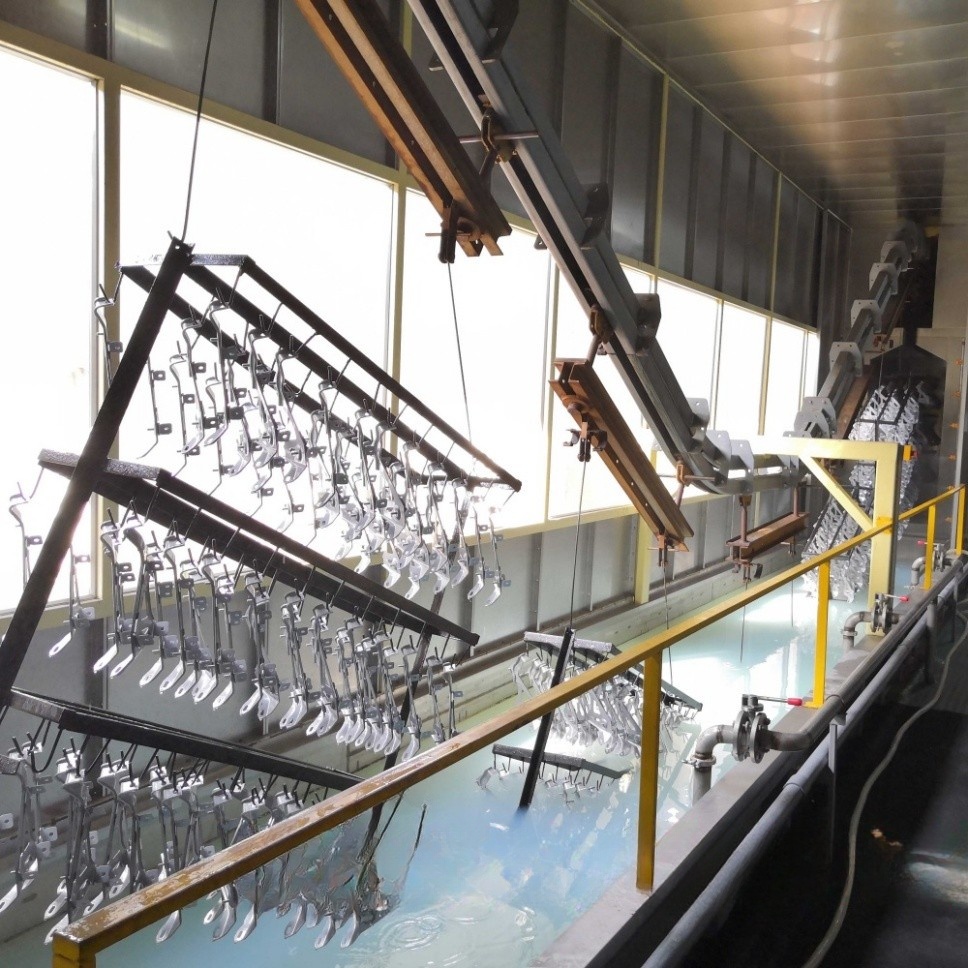
An e-coating line represents one of the most critical investments in modern manufacturing, particularly in automotive, appliance, and metal finishing industries. The efficiency and longevity of your e-coating line depend heavily on consistent, proactive maintenance practices that prevent premature wear, chemical degradation, and process inconsistencies. Without proper attention to maintenance protocols, even high-quality e-coating line systems can experience unexpected downtime, reduced coating quality, and significantly higher operational costs. Understanding how to maintain your e-coating line effectively is essential for protecting your investment and sustaining competitive production schedules.
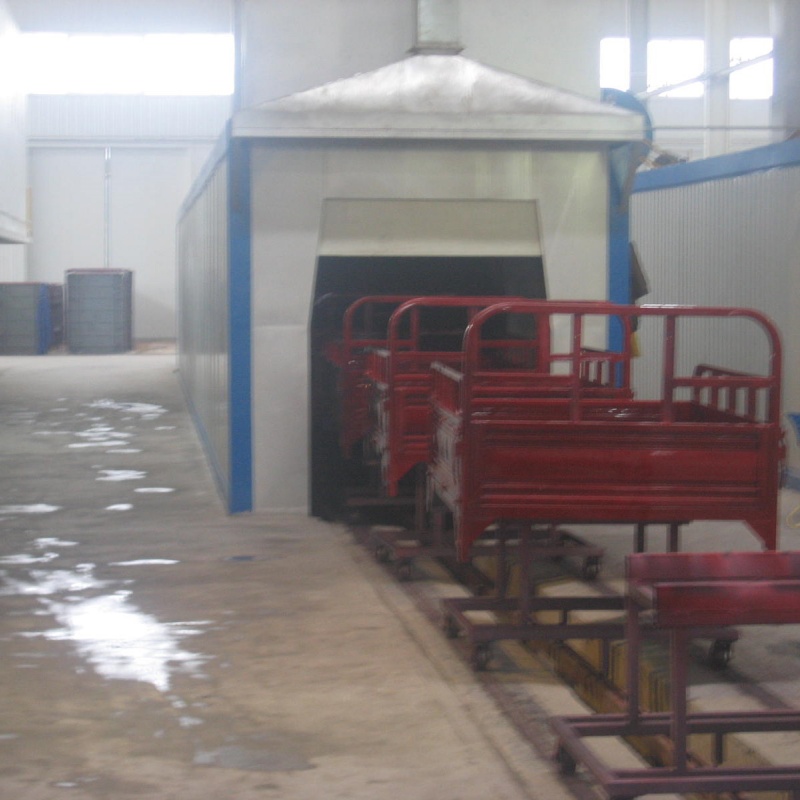
The complexity of an e-coating line involves numerous interconnected subsystems—from pretreatment stages through application tanks, filtration networks, and curing zones. Each component within your e-coating line operates within specific chemical, electrical, and thermal parameters that must remain stable to ensure consistent part quality and process reliability. Regular maintenance of an e-coating line is not simply about fixing broken parts; it is about preventing failures before they occur, extending equipment life, and maintaining the chemical balance that ensures superior coating adhesion, corrosion resistance, and finish quality. This guide provides actionable maintenance strategies specifically designed to keep your e-coating line operating at peak performance for years to come.
Understanding E-Coating Line System Components
Critical Subsystems in E-Coating Line Operations
Your e-coating line consists of multiple interdependent systems that work together to deliver consistent, high-quality coatings. The pretreatment stage prepares metal surfaces by removing oils, oxides, and contaminants, which directly impacts coating adhesion and corrosion protection throughout your e-coating line. Application tanks contain specialized chemistry designed to deposit a uniform coating layer through electrical charge transfer. The filtration system continuously removes paint solids and impurities to maintain bath chemistry integrity in your e-coating line. Curing ovens polymerize the coating and must maintain precise temperature profiles. Understanding how each of these systems within your e-coating line contributes to overall performance helps you identify maintenance priorities and recognize early warning signs of potential issues.
Chemical and Electrical Parameter Stability
An e-coating line requires strict control over bath chemistry parameters including pH, conductivity, resin content, and solvent levels to ensure consistent coating deposition. Electrical parameters such as voltage, amperage, and electrode spacing directly influence coating thickness and quality characteristics across your e-coating line. Temperature stability in pretreatment baths, application tanks, and curing zones is equally critical for maintaining process repeatability and coating performance. When any of these parameters drift outside specification, parts coated on your e-coating line may exhibit poor adhesion, uneven coverage, or reduced corrosion resistance. Monitoring these parameters regularly through daily testing and documentation creates a foundation for proactive maintenance of your e-coating line and helps prevent costly production interruptions.
Essential Preventive Maintenance Practices
Daily and Weekly E-Coating Line Inspection Routines
Establishing a structured daily inspection schedule for your e-coating line identifies potential problems before they escalate into major failures. Daily checks should include visual inspection of tank levels, filter condition, pump operation, and conveyor movement throughout your e-coating line. Checking for leaks, unusual odors, discoloration of bath solutions, and abnormal electrical activity provides early detection of deteriorating conditions within your e-coating line. Weekly testing of bath chemistry parameters—including pH, conductivity, and coating weight samples—ensures your e-coating line remains within specification and catches drift trends before they impact part quality. Document all observations and test results to create a historical record that reveals patterns and helps predict when major maintenance is needed on your e-coating line. This proactive approach significantly reduces unexpected downtime and extends the operational life of critical components throughout your e-coating line.
Filter Management and Bath Replenishment
The filtration system in your e-coating line works continuously to remove paint solids, dissolved metal ions, and other contaminants that accumulate during operation. Depending on production volume and bath chemistry, filters in your e-coating line typically require regular replacement or backflushing to maintain adequate flow rates and bath clarity. Neglecting filter maintenance causes pressure buildup, reduced circulation, and elevated bath conductivity that compromises coating quality across your e-coating line. Establish a filter inspection schedule based on differential pressure readings and visual assessment of filter condition in your e-coating line. Beyond filtration, your e-coating line requires periodic bath replenishment to replace depleted resin, pigment, and additives that are consumed during the coating process. Scheduled replenishment prevents gradual chemistry degradation that otherwise forces complete tank drainage and replacement at much higher cost. Work with your chemical supplier to develop a bath management protocol specific to your e-coating line that balances replenishment frequency with chemical efficiency and coating quality requirements.
Equipment Maintenance and Component Protection
Pump, Motor, and Conveyor System Care
Circulation pumps in your e-coating line move bath solution through tanks and filtration systems continuously, making them susceptible to wear from suspended solids and corrosive chemistry exposure. Regular pump maintenance including seal inspection, bearing lubrication, and impeller condition assessment keeps your e-coating line operating reliably. Electric motors powering circulation and conveyor systems require protection from moisture, chemical vapor, and thermal stress common in e-coating line environments. Installing proper ventilation, moisture barriers, and periodic motor insulation testing extends motor life significantly and prevents unexpected failures on your e-coating line. Conveyor systems that move parts through pretreatment, application, and curing stages must maintain smooth operation with minimal hanging or dragging that could damage coatings or contaminate bath chemistry in your e-coating line. Lubricate conveyor chains and bearings according to manufacturer specifications, inspect for chain wear and misalignment, and replace worn components before they damage other parts of your e-coating line system.
Tank Interior Surfaces and Electrode Maintenance
The interior surfaces of application tanks in your e-coating line accumulate paint sludge and mineral deposits that reduce electrical efficiency and contaminate the bath chemistry. Periodic tank draining and cleaning removes these deposits and restores tank performance throughout your e-coating line. Electrodes that apply electrical charge to deposit coating require regular inspection for corrosion, mineral scaling, and alignment issues that compromise coating consistency on your e-coating line. Corroded or scaled electrodes reduce electrical contact and distribution, resulting in uneven coating thickness and potential bare spots on parts coated in your e-coating line. Replace electrodes or clean them using appropriate methods based on your e-coating line manufacturer's specifications and chemical supplier recommendations. Maintain proper electrode spacing and alignment to ensure uniform electrical field distribution across the tank in your e-coating line. These interventions prevent gradual degradation of coating quality and maintain the electrical efficiency that defines superior performance of your e-coating line.
Monitoring and Troubleshooting E-Coating Line Issues
Bath Chemistry Stability and Quality Control
Consistent monitoring of bath chemistry parameters throughout your e-coating line is fundamental to maintaining coating quality and process stability. Establish daily testing protocols for pH, conductivity, solids content, and coating weight that identify chemical drift before it impacts part quality on your e-coating line. When testing reveals out-of-specification conditions on your e-coating line, investigate root causes—whether from excessive water carryover, inadequate filtration, chemical depletion, or equipment malfunction. Your e-coating line's bath chemistry affects coating adhesion, corrosion protection, salt spray resistance, and visual appearance of finished parts. Minor adjustments made immediately after detecting drift prevent the accumulation of problems that eventually force complete bath replacement and extended downtime on your e-coating line. Maintain detailed documentation of all chemistry adjustments, replenishment activities, and test results to establish trends that inform preventive maintenance scheduling for your e-coating line.
Curing Profile Verification and Thermal System Maintenance
Curing ovens integrated into your e-coating line polymerize the coating and develop its final protective properties through controlled thermal exposure. Ovens within your e-coating line must maintain stable, uniform temperatures throughout the chamber to ensure consistent cure regardless of part size or configuration. Temperature monitoring equipment throughout your e-coating line should include both entry and exit thermometers plus chamber thermocouples that verify the entire profile meets specification. Degradation of insulation, heating elements, or temperature control systems within your e-coating line leads to uneven cure, inadequate hardness, and premature coating failure in service. Establish quarterly inspections of oven heating elements, damper operation, exhaust systems, and temperature control electronics in your e-coating line. Replace worn components before they fail and disrupt your e-coating line operation. Verify conveyor speed matches the time-temperature profile required for complete cure in your e-coating line, as improper speed can prevent adequate polymerization even when oven temperature is correct.
FAQ
How often should I perform maintenance on my e-coating line?
Maintenance frequency for your e-coating line depends on production volume, bath chemistry formulation, and component age. Daily visual inspections and chemistry testing should occur every production shift for your e-coating line. Weekly detailed inspections, filter assessments, and bath replenishment checks are standard practice for most industrial e-coating line operations. Major component inspections—including pump seals, motor condition, electrode alignment, and oven system verification—typically occur quarterly or semi-annually depending on your e-coating line's specific operating conditions and manufacturer recommendations. Work with your equipment supplier and chemical vendor to develop a customized maintenance schedule tailored to your e-coating line's operational profile.
What are the most common failure points in an e-coating line?
The most vulnerable components in your e-coating line are circulation pumps and seals that experience constant exposure to corrosive bath chemistry, filtration systems that accumulate contaminants, heating elements in curing ovens that degrade from thermal cycling, and electrodes that develop corrosion and mineral scaling. Conveyor systems can also experience wear from heavy part loads and chemical environment exposure within your e-coating line. Pretreatment tanks accumulate sludge deposits that require periodic cleaning to prevent your e-coating line from experiencing reduced solution circulation and degraded pretreatment quality. Early detection through regular inspection and monitoring helps you address problems before they cause unplanned downtime on your e-coating line.
Can I extend my e-coating line's service life through better maintenance?
Yes, consistent preventive maintenance significantly extends the operational life of your e-coating line beyond initial manufacturer expectations. Regular component inspection, timely replacement of worn parts, proper bath chemistry management, and adherence to cleaning schedules prevent accelerated degradation that reduces equipment lifespan. Many industrial e-coating line systems successfully operate for 15 to 20 years or longer when properly maintained, compared to much shorter lives when maintenance is neglected or performed only reactively. Investing in preventive maintenance for your e-coating line reduces the frequency of major repairs, minimizes unplanned downtime, and ultimately provides better return on your capital investment in coating equipment.