
 EN
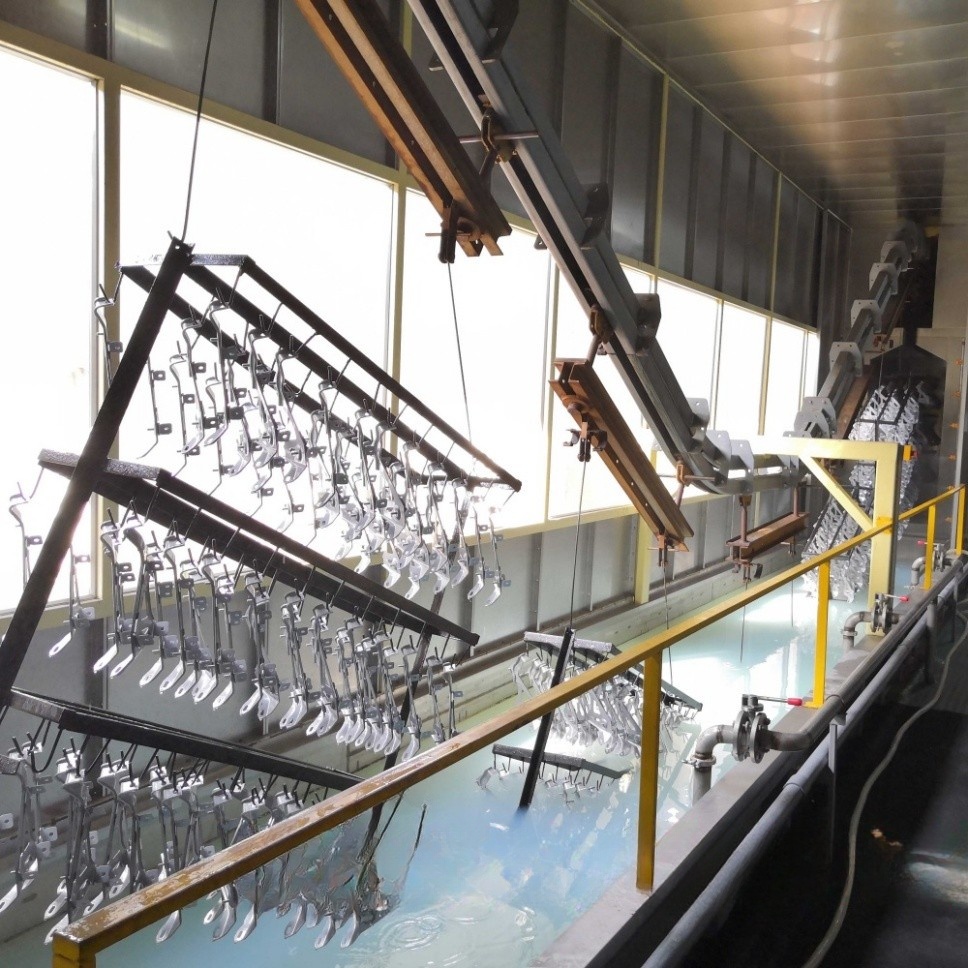
An e-coating line represents one of the most critical investments in modern manufacturing operations, particularly for industries requiring superior corrosion protection and uniform finish quality. The electrodeposition process delivers exceptional coverage on complex geometries, making it indispensable for automotive, appliance, and industrial equipment manufacturers. However, maximizing the return on this significant capital investment requires seamless integration with downstream powder or paint coating systems. Understanding how to properly connect an e-coating line with complementary coating technologies determines whether your facility achieves operational excellence or faces recurring quality issues, production bottlenecks, and costly downtime.
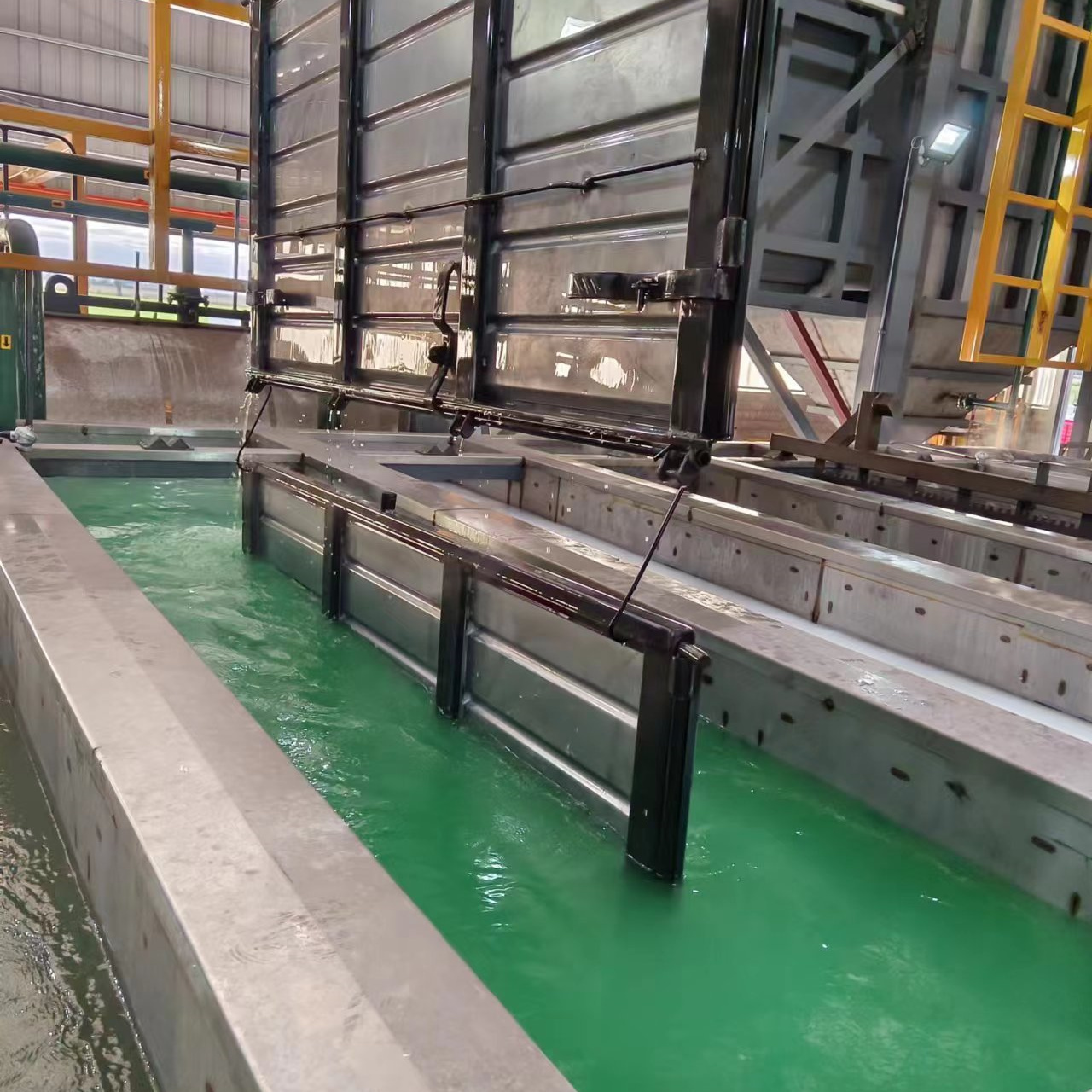
Modern manufacturers face the challenge of coordinating multiple coating technologies within a single production environment. When an e-coating line feeds into powder application equipment or conventional paint spray booths, every operational parameter—from line speed to material handling, humidity control, and quality monitoring—must work in concert. This integration demands careful planning during the design phase and continuous optimization throughout the operational lifecycle. The payoff is substantial: integrated coating systems deliver consistent quality, reduce material waste, improve throughput, and provide flexibility to serve diverse customer specifications from a single manufacturing footprint.
Understanding E-Coating Line Architecture and Downstream Connectivity
The Foundation: How an E-Coating Line Functions Within a Broader System
An e-coating line operates through electrodeposition, a process where electrically charged paint particles migrate toward workpieces suspended in a specially formulated bath. This fundamental mechanism creates both opportunities and constraints for downstream integration. The e-coating line must maintain precise electrical parameters, bath chemistry, temperature stability, and filtration standards that directly influence the surface condition of parts exiting the system. Parts leaving an e-coating line carry residual bath chemistry, require controlled drying, and need careful handling to prevent coating damage. Understanding these characteristics is essential for designing an effective transition zone between the e-coating line and any secondary coating technology.
Integration Points Between E-Coating and Secondary Systems
The physical connection between an e-coating line and powder or paint coating equipment involves multiple integration points that demand technical attention. The conveyor system must maintain consistent speed and part orientation through both stages. Environmental controls—particularly temperature and humidity—must be managed to prevent coating defects. An e-coating line typically generates moisture and volatile organic compounds that require dedicated ventilation design. When powder or paint systems follow, they need dry, clean air environments that contrast sharply with the wet processing conditions of the e-coating line. Flash-off zones, intermediate drying chambers, and air handling system modifications represent critical infrastructure investments that determine whether your integrated coating system performs reliably or experiences chronic adhesion problems and finish defects.
Coordinating Process Parameters Across an Integrated E-Coating Line System
Line Speed, Material Handling, and Throughput Optimization
Coordinating line speed represents perhaps the most visible challenge when integrating an e-coating line with downstream coating equipment. The e-coating line typically operates at fixed speeds determined by bath residence time requirements, usually ranging from 2 to 8 minutes depending on coating thickness targets and part complexity. Powder or paint coating systems often have different speed requirements driven by spray coverage area, drying curves, and curing kinetics. A properly designed integrated system establishes the e-coating line speed as the reference point, then configures all downstream equipment to match or work with that baseline. Conveyor design must accommodate thermal expansion from the e-coating line curing ovens, prevent part rearrangement that compromises coating uniformity, and provide smooth transitions that eliminate jams and operator handling time.
Quality Control and Process Monitoring Integration
An integrated e-coating line system requires coordinated quality monitoring that tracks both electrodeposition parameters and the condition of parts entering secondary processes. The e-coating line demands continuous monitoring of bath chemistry, filtration efficiency, electrical parameters, and coating thickness using automated sensors and periodic laboratory analysis. Parts exiting the e-coating line must be inspected for coverage uniformity, defects, and residual bath film thickness before entering powder or paint coating stages. A comprehensive quality control strategy links e-coating line performance data to downstream finish quality, enabling operators to identify whether adhesion failures or surface defects originate from electrodeposition parameters or secondary coating application. This traceability prevents expensive rework, customer complaints, and production disruptions.
Environmental, Safety, and Operational Considerations for Integrated Systems
Air Quality, Ventilation, and Regulatory Compliance in E-Coating Line Operations
An e-coating line introduces substantial air quality management demands that amplify when integrated with powder or paint systems. The e-coating line continuously releases moisture, volatile organic compounds from bath additives, and aerosolized paint particles that contaminate downstream coating environments if not properly controlled. Modern e-coating line installations require dedicated air handling systems with pre-filtration, dehumidification, and temperature control capable of managing 15,000 to 50,000 cubic feet per minute of exhaust, depending on facility size. When powder or paint systems operate in the same facility, cross-contamination becomes a critical concern. A properly designed ventilation strategy isolates the e-coating line wet process environment from the dry powder or paint application zones, prevents atmospheric moisture from entering secondary coating areas, and ensures regulatory compliance with volatile organic compound emission limits and workplace safety standards.
Material Flow, Infrastructure, and Equipment Layout Decisions
The physical layout and material handling infrastructure for an integrated e-coating line system profoundly affects operational efficiency and maintenance accessibility. An e-coating line occupies substantial floor space, requires robust structural support for heavy bath tanks and curing ovens, and demands convenient access for daily maintenance tasks including filtration element changes, electrode cleaning, and bath sampling. When powder or paint systems follow downstream, material flow must remain continuous to justify the capital investment in both technologies. Backup equipment, alternative routing options, and cross-training protocols protect against the costly consequence of single-point failures. A well-designed e-coating line integration project evaluates conveyor ergonomics, operator sightlines, part staging areas, and quality inspection stations to create a facility that supports both consistent output and employee safety throughout the entire coating process.
FAQ
What specific equipment modifications are needed to connect an e-coating line to powder coating systems?
Connecting an e-coating line to powder coating systems requires several infrastructure upgrades including flash-off zones with controlled temperature and humidity, drying chambers to remove residual bath moisture from parts, isolation air handling systems to prevent wet process contamination of the powder application environment, and conveyor modifications to maintain proper part spacing and orientation. The e-coating line curing oven must exhaust away from the powder booth, and parts must cool to appropriate temperature ranges before entering the powder spray zone to ensure proper adhesion and coating performance.
How does an e-coating line affect production scheduling with paint or powder systems downstream?
An e-coating line typically becomes the pacing equipment in integrated systems because electrodeposition requires fixed bath residence times that cannot be accelerated without compromising coating quality. Downstream powder or paint systems must be sized and configured to accept the e-coating line output rate, with sufficient capacity to handle peak demand without creating bottlenecks or work-in-process inventory. Scheduling software that coordinates e-coating line batch releases, drying times, and secondary coating allocation prevents imbalances that create either starvation of downstream equipment or accumulation of partially coated inventory.
What maintenance protocols ensure long-term performance of an integrated e-coating line system?
Maintaining an integrated e-coating line system requires coordinated schedules for the electrodeposition process, drying chambers, conveyor mechanics, and secondary coating equipment. The e-coating line demands weekly filtration maintenance, monthly bath chemistry adjustments, quarterly electrode inspection and cleaning, and annual comprehensive system overhaul. Powder or paint systems following the e-coating line need scheduled spray gun maintenance, air handling filter changes, and surface preparation of spray booth interior walls. Integrated documentation systems that track all e-coating line maintenance activities alongside downstream equipment service records help operators identify patterns and prevent cascading failures that compromise quality across the entire coating operation.