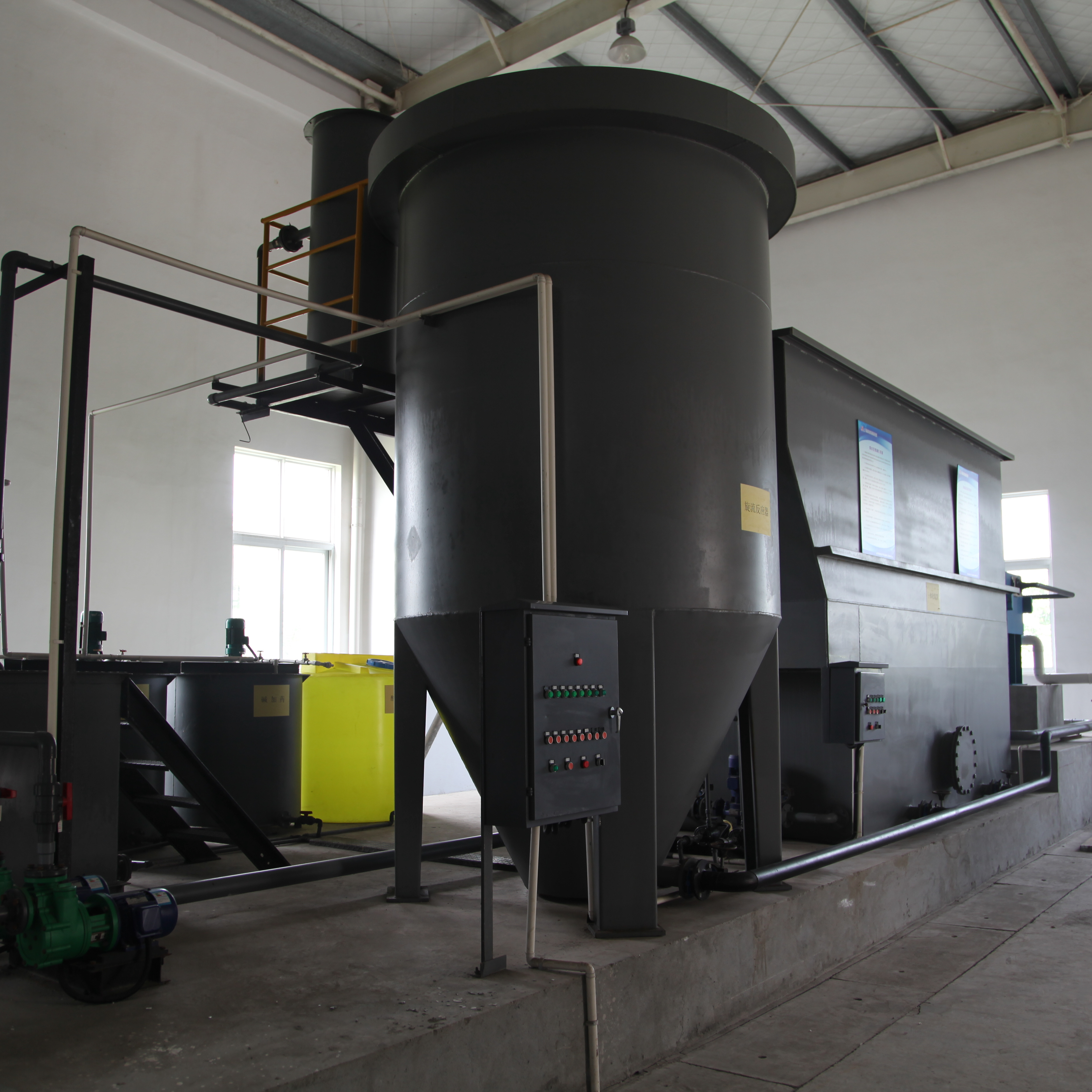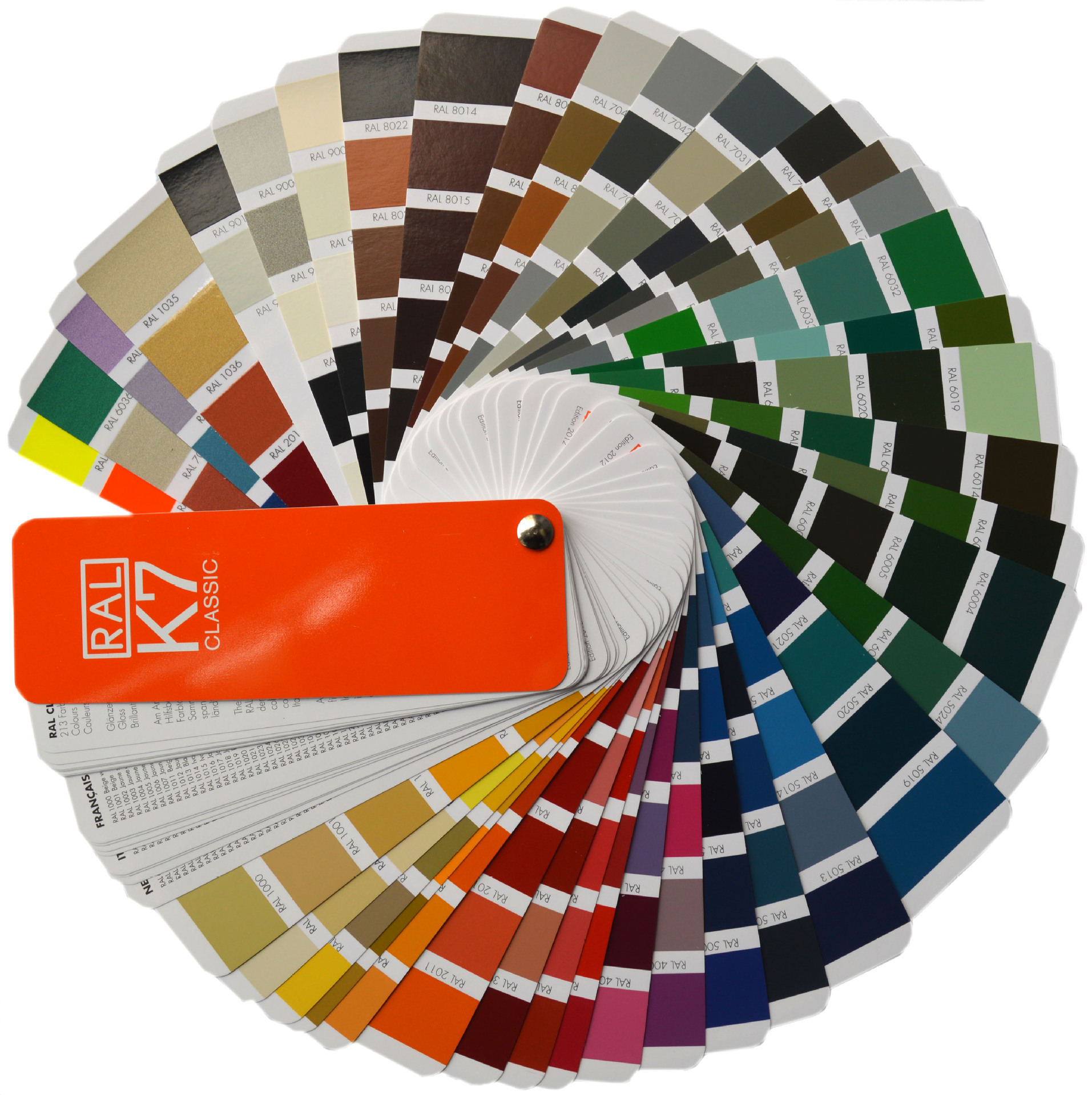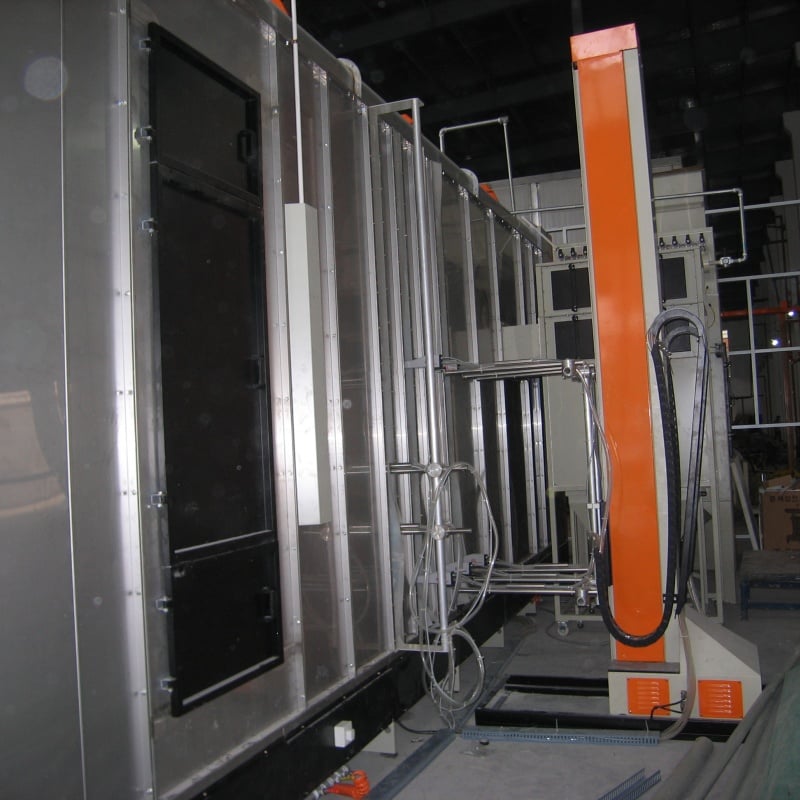

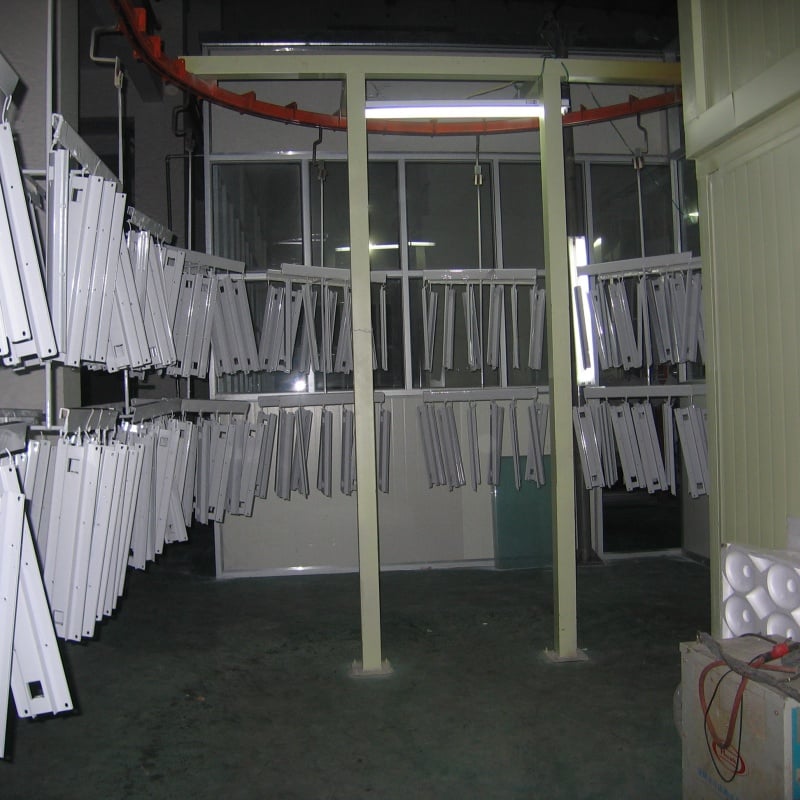


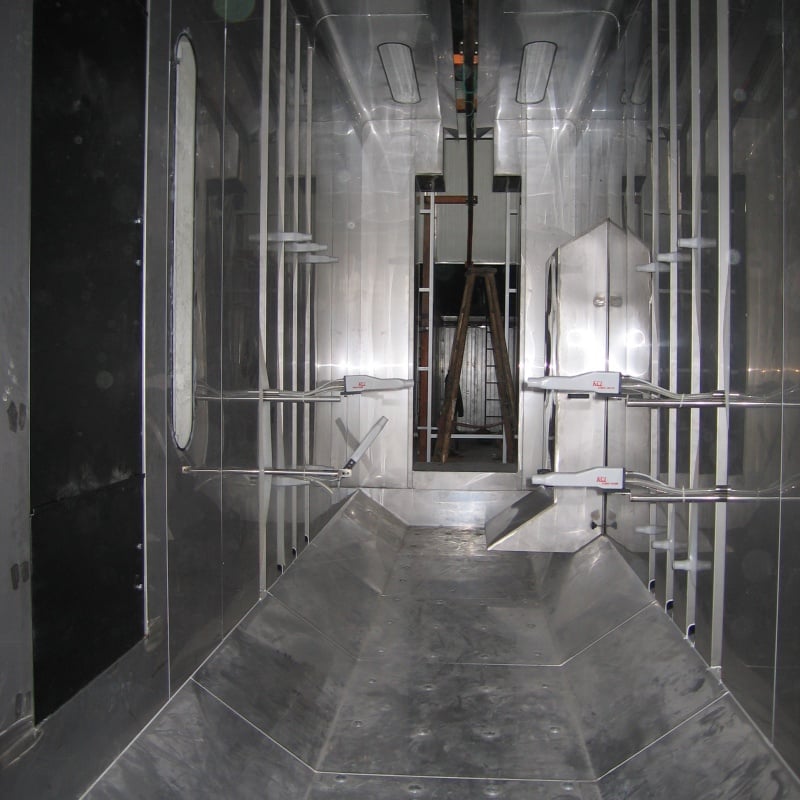
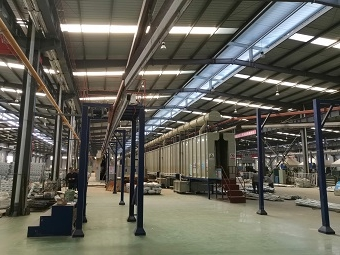
A semi-automatic powder coating line for metal parts comprises a combination of manual loading and unloading, automatic conveyance, automatic electrostatic spraying, manual touch-up spraying and curing. It offers a moderate investment and high flexibility, making it suitable for the environmentally friendly coating requirements of small to medium-sized batches of metal parts in a wide variety of types.
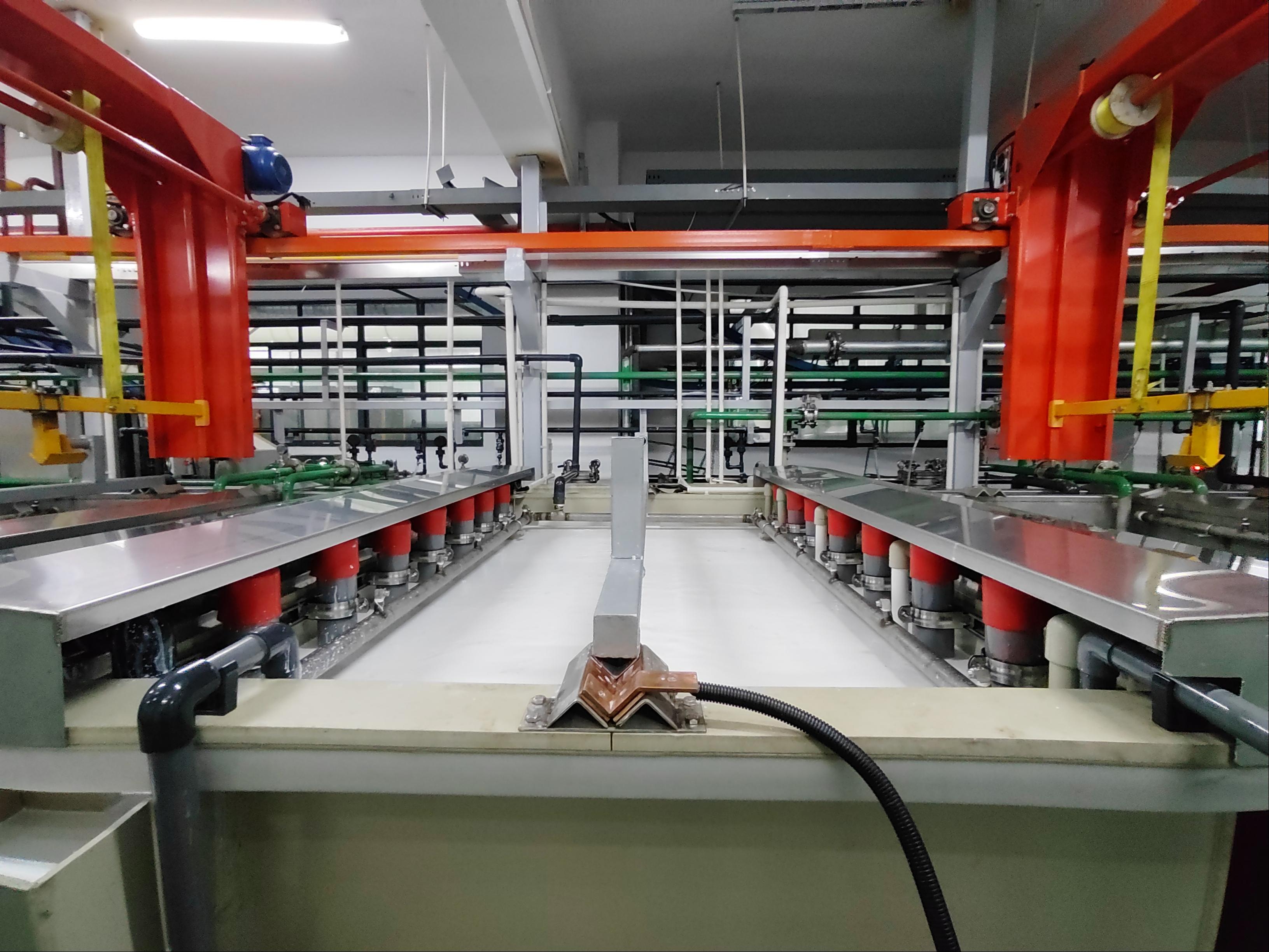
Definition: A production line centred on electrostatic powder coating, where loading and unloading, as well as touch-up spraying in complex hard-to-reach areas, are carried out manually, whilst the conveying, spraying and curing processes operate automatically, balancing efficiency with flexibility.
Applications: Metal furniture, enclosures and cabinets, guardrails, doors and windows, automotive components, agricultural machinery, etc.; small to medium batch sizes, multiple specifications, and complex-shaped parts; factories with limited budgets and compact floor space.
Advantages: Compared to fully automated lines, it offers lower investment costs, easier maintenance and faster colour changes; compared to fully manual lines, it offers higher efficiency, uniform coating and high powder utilisation (≥98%).
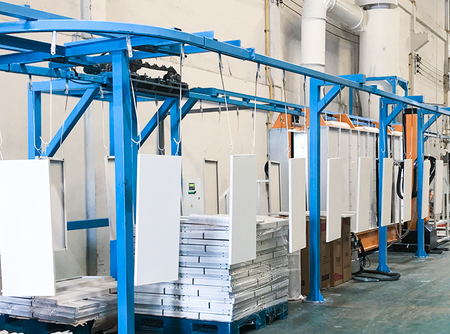 |
| Semi-Automatic Powder Coating Line for Metals Parts |
Loading → Pre-treatment → De-watering and drying → Cooling → Automatic powder coating → Manual touch-up spraying → Curing → Cooling → Unloading
• Loading: Metal parts are manually hung on overhead conveyor or floor conveyor fixtures.
• Pre-treatment (Critical): Removal of oil and rust, formation of a conversion coating (phosphating / silane treatment) to enhance adhesion and corrosion resistance. Typical process: Pre-degreasing → Degreasing → Water rinsing → Surface conditioning → Phosphating / Silane treatment → Pure water rinsing → Drying.
• Dewatering and drying: 120–150°C, 10–15 minutes, to thoroughly remove moisture.
• Powder Coating (Core):
• Automated: Workpieces are conveyed via a chain conveyor into the powder coating booth; a static reciprocating machine or automatic spray gun applies high-voltage static electricity to charge the powder, ensuring it adheres evenly to the grounded workpieces.
• Touch-up: Manual spray guns are used to apply additional coating to blind spots and recesses.
• Recovery: Two-stage recovery system comprising a large cyclone separator and filter cartridges; powder utilisation rate ≥98%; convenient colour changeover.
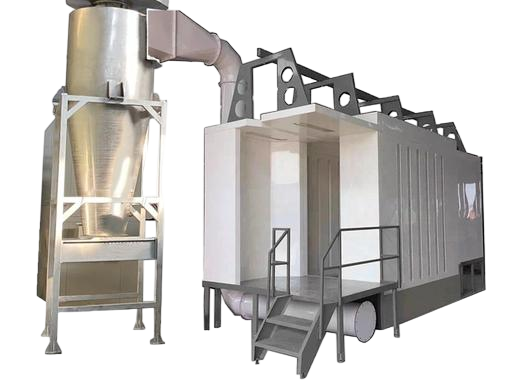 |
| Semi-Automatic Powder Coating Line for Metals Parts |
• Curing: The workpiece is placed in the curing oven at 180–200 °C for 15–20 minutes, during which the powder melts and flows to form a dense coating.
• Cooling and unloading: The workpiece is allowed to cool naturally to room temperature, after which the finished product is removed manually.
1. Conveyor system: overhead chain (drop-type chain / accumulating chain), floor-mounted chain or self-propelled hoist, with adjustable speed and variable frequency control.
2. Pre-treatment equipment: spray/immersion tanks (stainless steel), heating systems (electric/gas/steam), automatic chemical dosing, water circulation and filtration.
3. Powder Coating Booths and Spraying Systems:
• Powder Coating Booths: Stainless steel / PP panels, fitted with explosion-proof lighting and extraction fans.
• Electrostatic Spray Guns: Automatic reciprocating units (2–4 guns) + manual guns, ensuring stable electrostatic charging and high powder application efficiency.
• Recovery System: Large cyclone separator + cartridge filter, with a recovery rate of ≥98%.
4. Curing oven: tunnel-type (continuous) / chamber-type (batch), hot-air circulation, temperature control ±5°C, with a choice of electric, natural gas or diesel heating.
5.Electrical control system: PLC + touchscreen, coordinating conveying, spraying and curing; adjustable parameters and fault alarms.
 |
| Semi-Automatic Powder Coating Line for Metals Parts |
Advantages:
• High cost-effectiveness: Investment is significantly lower than that of fully automated lines, with a quick return on investment.
• High flexibility: Suitable for multiple product types and complex parts, with easy colour changes.
• Environmentally friendly and efficient: No VOC emissions, and high powder recovery rates.
• Simple operation: Minimal manual intervention and low skill requirements for operators.
Disadvantages:
• Lower efficiency than fully automated lines; not suitable for ultra-high-volume production.
• Manual touch-up spraying may result in inconsistencies; operator training is required.
• Workpiece characteristics: Dimensions, weight, shape (reserve space for touch-up on complex parts).
• Production Capacity Requirements: Determine conveyor speed, number of spray guns and oven size based on daily output.
• Site Layout: Line length, turning radius, ceiling height and load-bearing capacity.
• Environmental Requirements: Powder recovery and exhaust gas treatment must meet regulatory standards.
• Budget: Balance automation levels with costs; prioritise the quality of core equipment (spray guns, recovery systems and curing ovens).
Copyright © 2025 Yangzhou OURS Machinery Co., Ltd.All rights reserved. - Privacy policy
 EN
EN