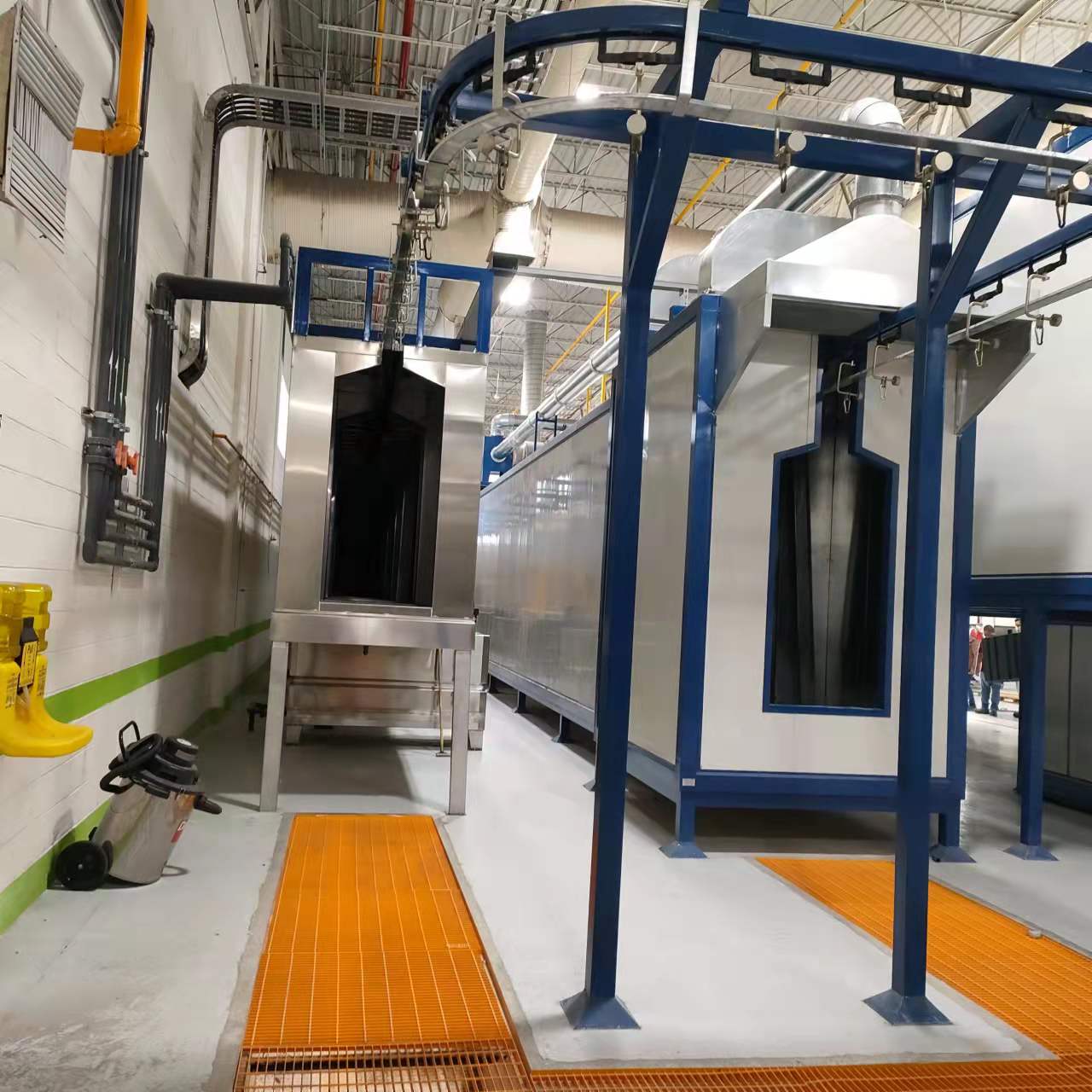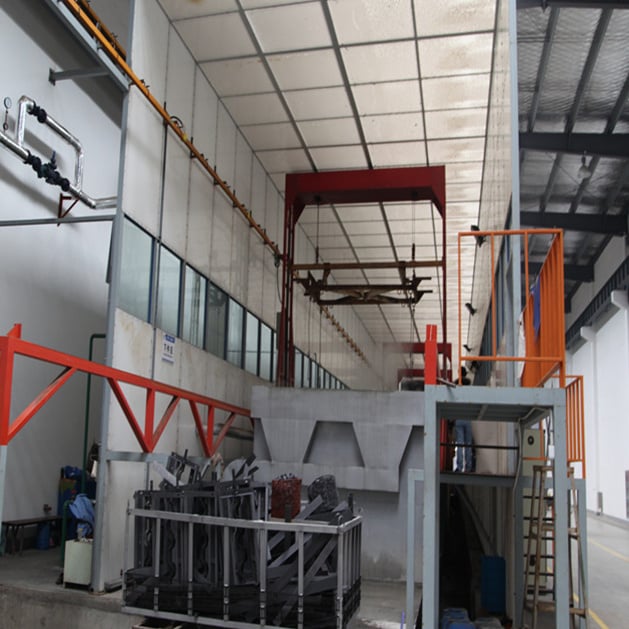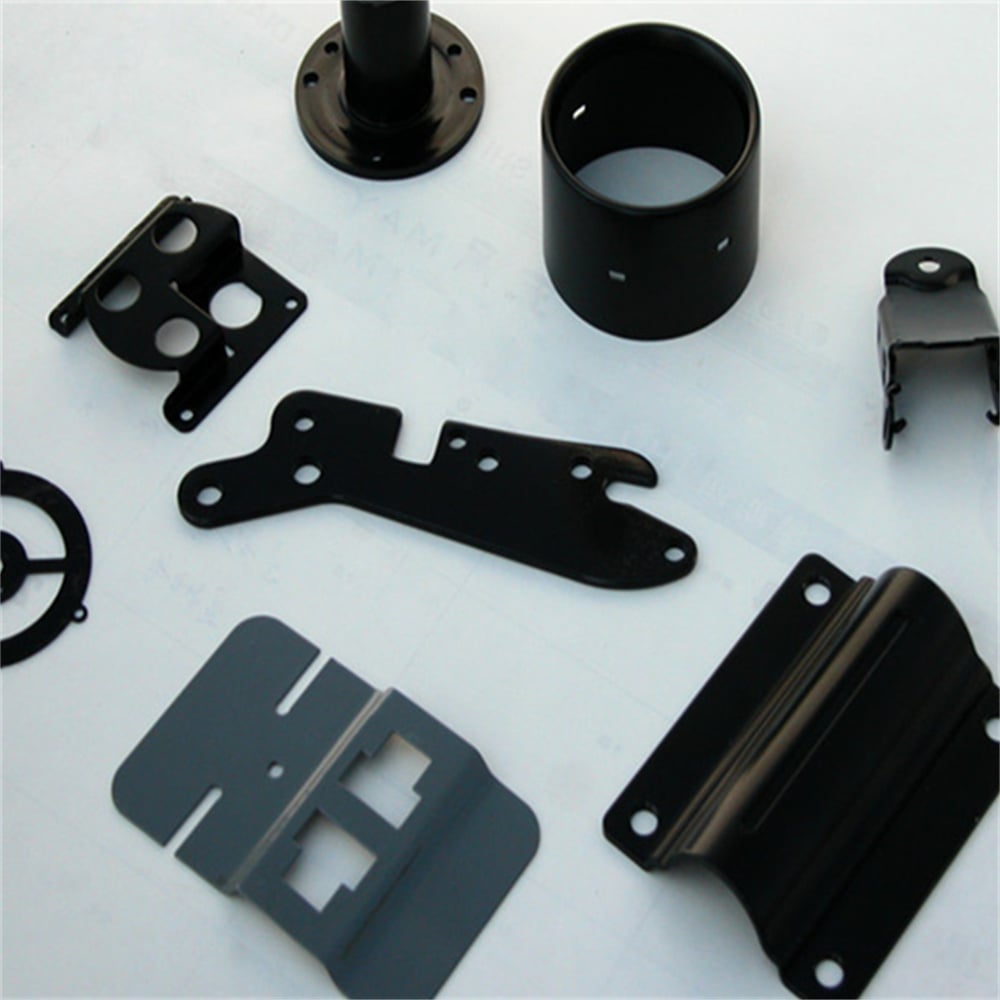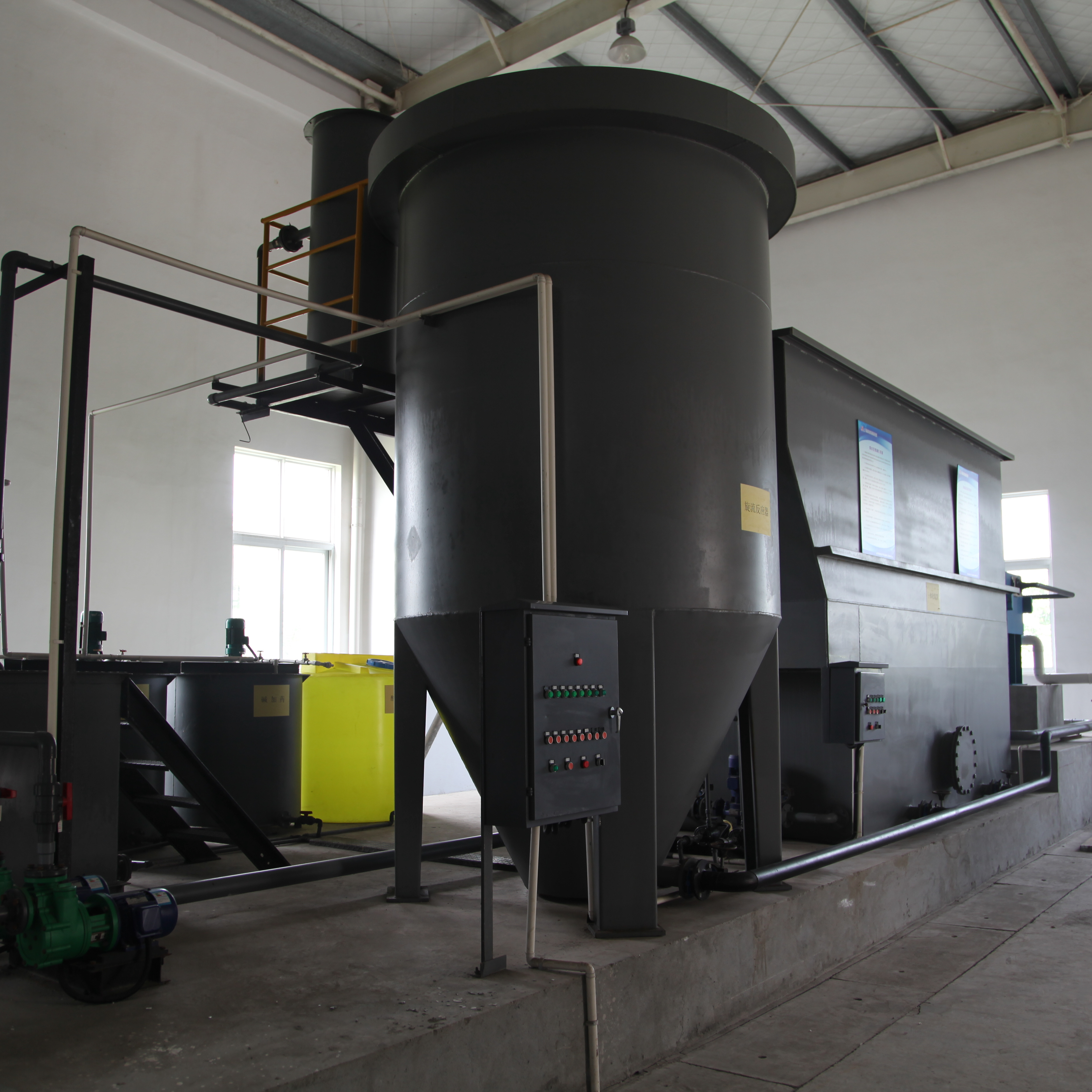
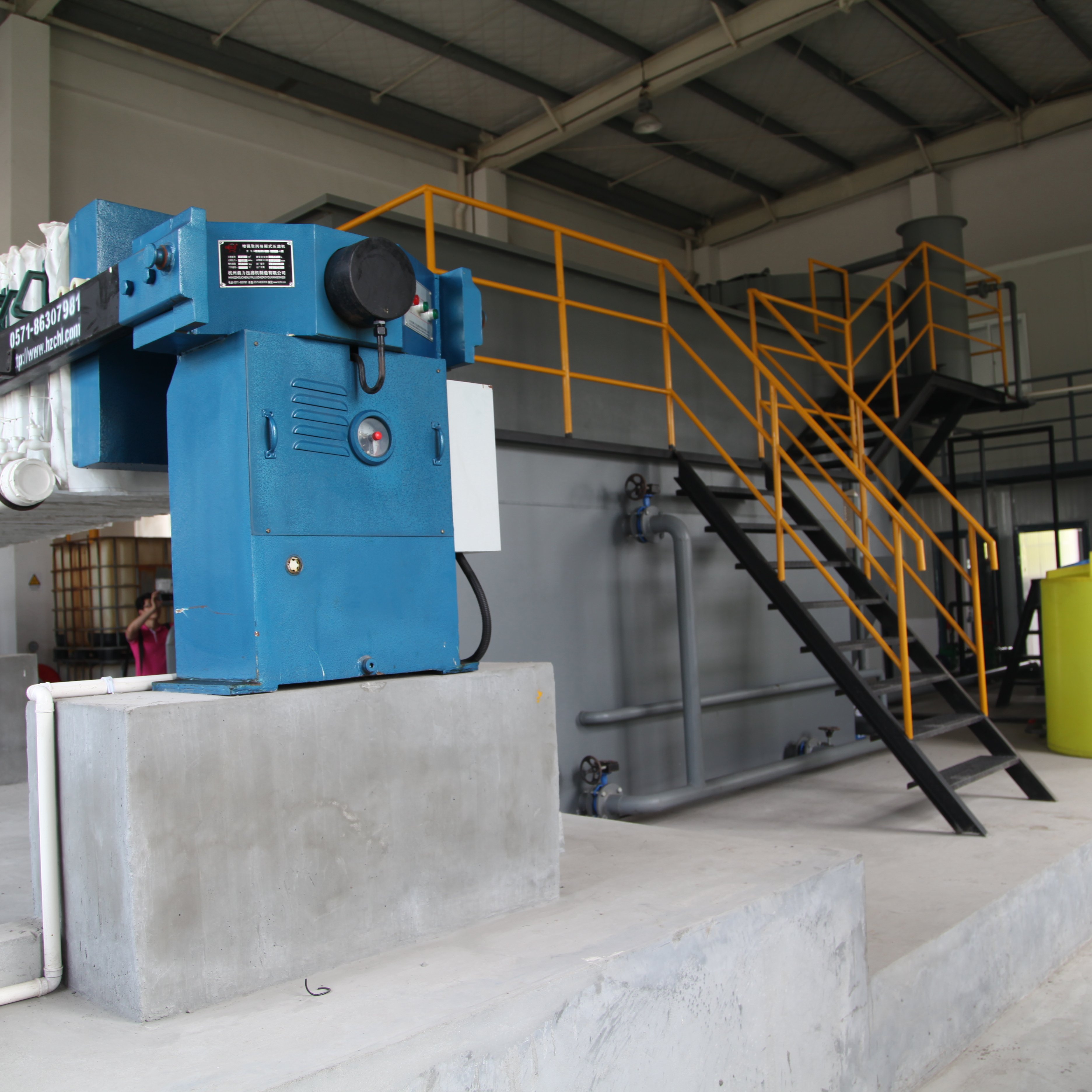
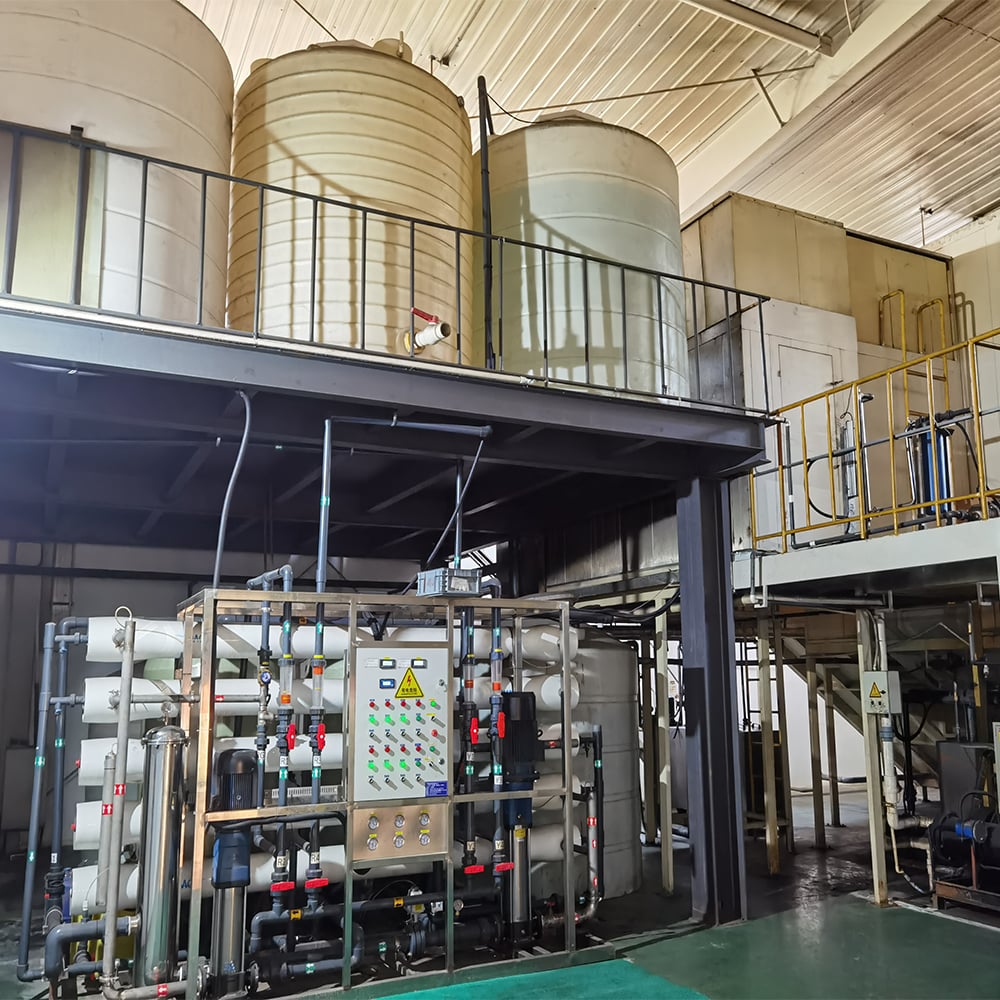
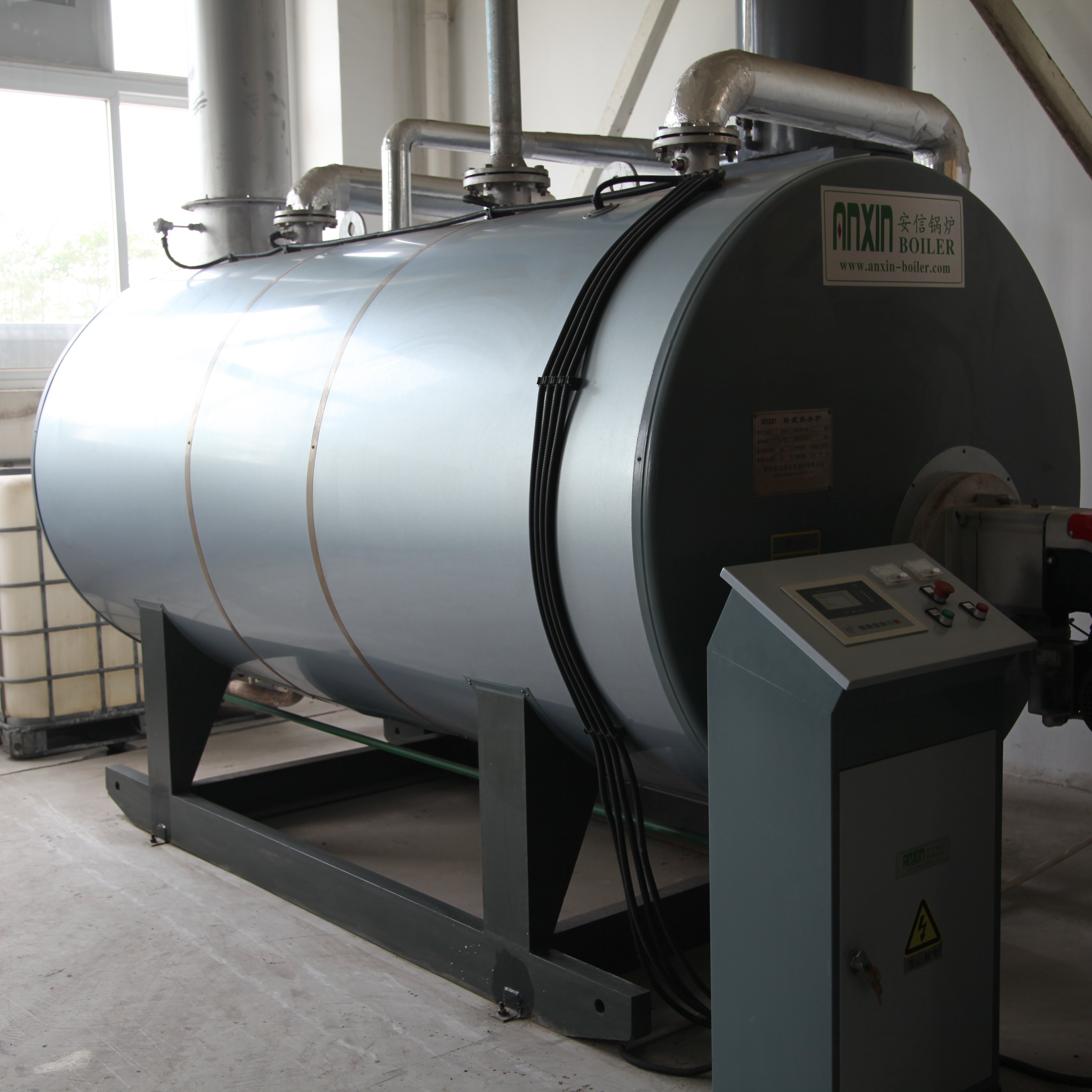
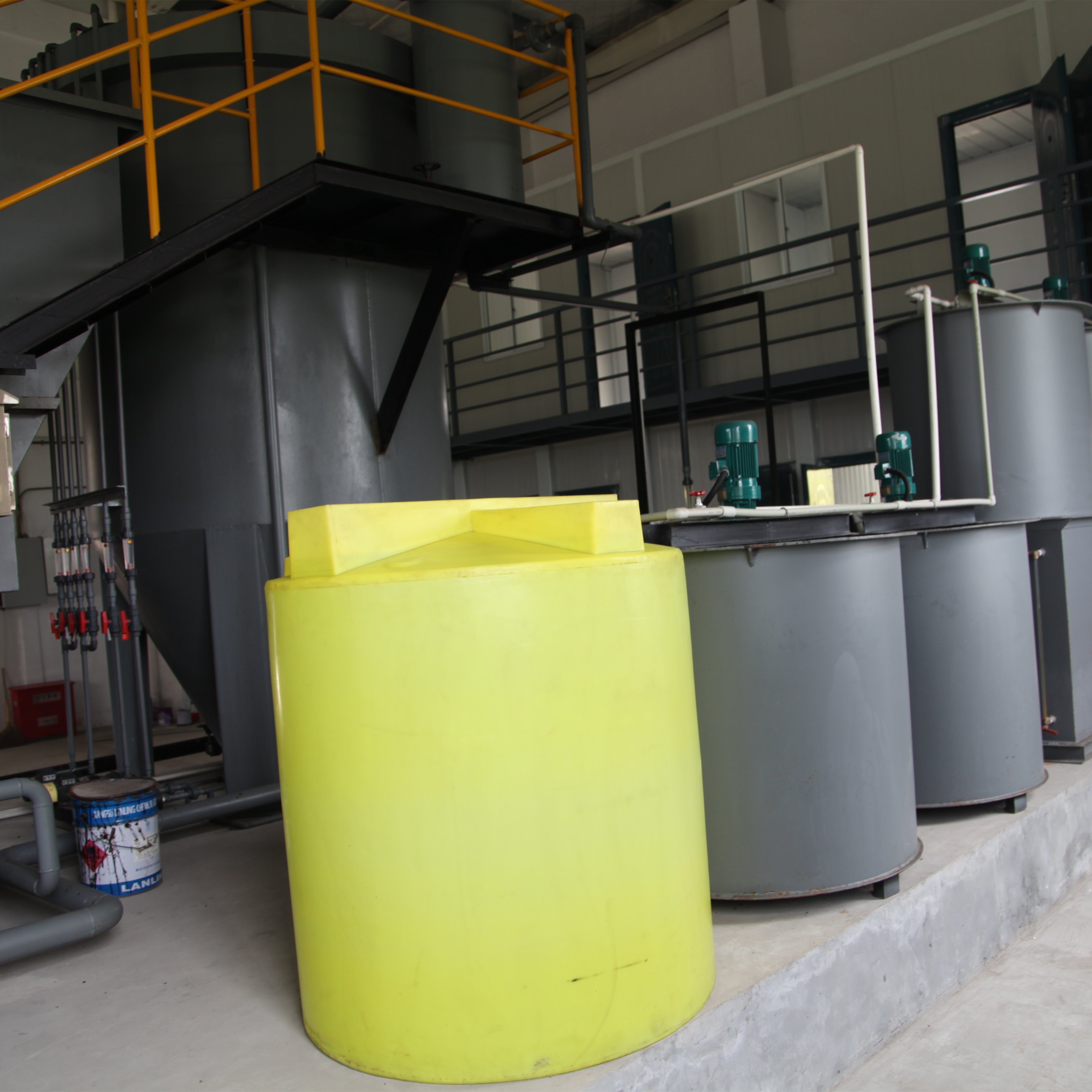
The coating pretreatment process generates wastewater from degreasing, rust removal, and phosphating. Direct discharge is harmful to the environment. OURS COATING provides customized wastewater treatment solutions, including capacity design, discharge standards, equipment materials, system layout, and electrical control to ensure safe and compliant operation.
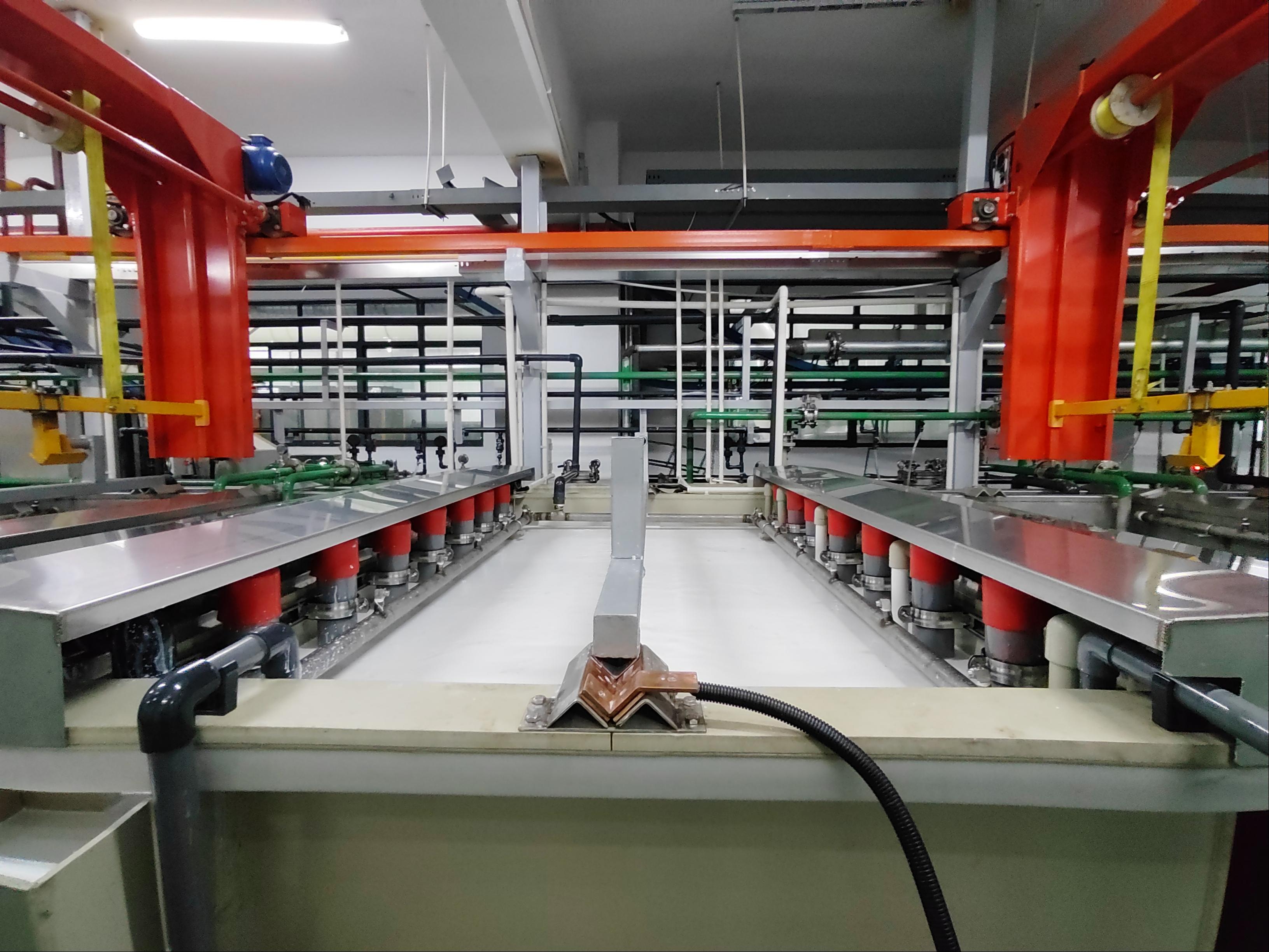
Coating pretreatment process includes degreasing and oil removal, rust removal, phosphating and so on. A large number of pollutants will be generated during the production of coating process, and if directly discharged, it will be extremely harmful to the water body.
According to different water quality components, OURS COATING can provide detailed program description of the treatment volume, effluent standards, equipment materials, dimensions and electrical control.
Electrophoresis coating mainly adopts cathodic electrophoresis coating as raw material, the resin contained in cathodic electrophoresis coating has alkaline group, which becomes salt and dissolves in water after neutralized by acid. After direct current is applied, the negative ions of acid will move to the anode, and the positively charged pigment particles wrapped around the resin ions will move to the cathode and be deposited on the cathode, which is the basic principle of electrophoretic coating (commonly known as paint plating). Electrophoretic coating is a very complex electrochemical reaction, it is generally believed that at least electrophoresis, electrodeposition, electrolysis, electrolysis, electroosmosis, the four roles occur simultaneously.
Electrophoretic coating process consists of four main processes: pretreatment before coating, electrophoretic coating, cleaning after electrophoresis and drying of electrophoretic coating film. Wastewater mainly comes from the cleaning (rinsing) wastewater after each process.
Electrophoresis coating wastewater is less hazardous compared with heavy metal wastewater and electroplating wastewater, but the wastewater contains a large number of resins, amino number of lipids, organic acids and other organic substances, most of which are water-soluble. Most of the organic matter is water-soluble. Unreasonable treatment will cause greater pollution to the surrounding environment. Characteristics of electrophoretic coating wastewater: The wastewater of electrophoretic coating production line mainly comes from the wastewater of rinsing the surface of plated parts and a small amount of waste electrophoretic tank liquid. Wastewater mainly contains a large number of resins, aminos, organic acids and other organic substances, most of which are water-soluble, acidic, suspended solids, high COD, BOD/CDD ratio of 0.16 or so, is a poor biochemical wastewater.
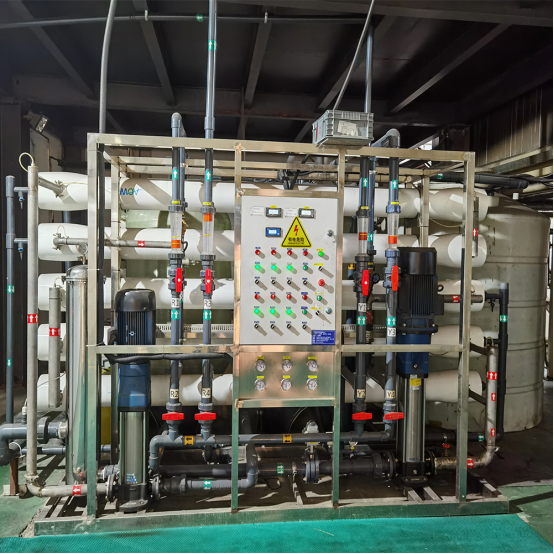 |
| Electrophoretic coating wastewater treatment equipment |
1. Coagulation method: This method is mainly through the addition of inorganic coagulants or polymer coagulants in the wastewater, thereby destroying the stability of the solution settlement, so that it coagulation, precipitation, the generation of agglutination blocks and wastewater treatment.
2. Air flotation method: air flotation method mainly relies on many microscopic air-saturated attached to the floc, so that its density is less than the removal of upward floating, adhering to the air-saturated floc. Its separation speed and liquid and gas floc with the density difference and with the equivalent diameter of the floc will be directly proportional to the square, so that the equivalent diameter of the floc with gas saturated floc can be increased, and the density difference between the liquid increases, can make the solid, liquid separation speed is greatly increased.
3. Membrane separation method: Membrane Separation Method, as the name suggests, is with the help of external pressure, the use of external pressure and semi-permeable membrane, to realize the process of solvent separation. Membrane separation method mainly includes ultrafiltration, reverse osmosis and electrodialysis three, and used to treat electrophoretic coating wastewater membrane separation method, mostly ultrafiltration and reverse osmosis two.
4. Biochemical treatment method: This method mainly uses the life activity of microorganisms to oxidize and decompose the harmful substances in electrophoretic wastewater. It can effectively remove the dissolved colloidal organic substances in the wastewater, high treatment efficiency, low cost; through the purified water quality can meet the discharge standards.
Copyright © 2025 Yangzhou OURS Machinery Co., Ltd.All rights reserved. - Privacy policy
 EN
EN