 EN
EN
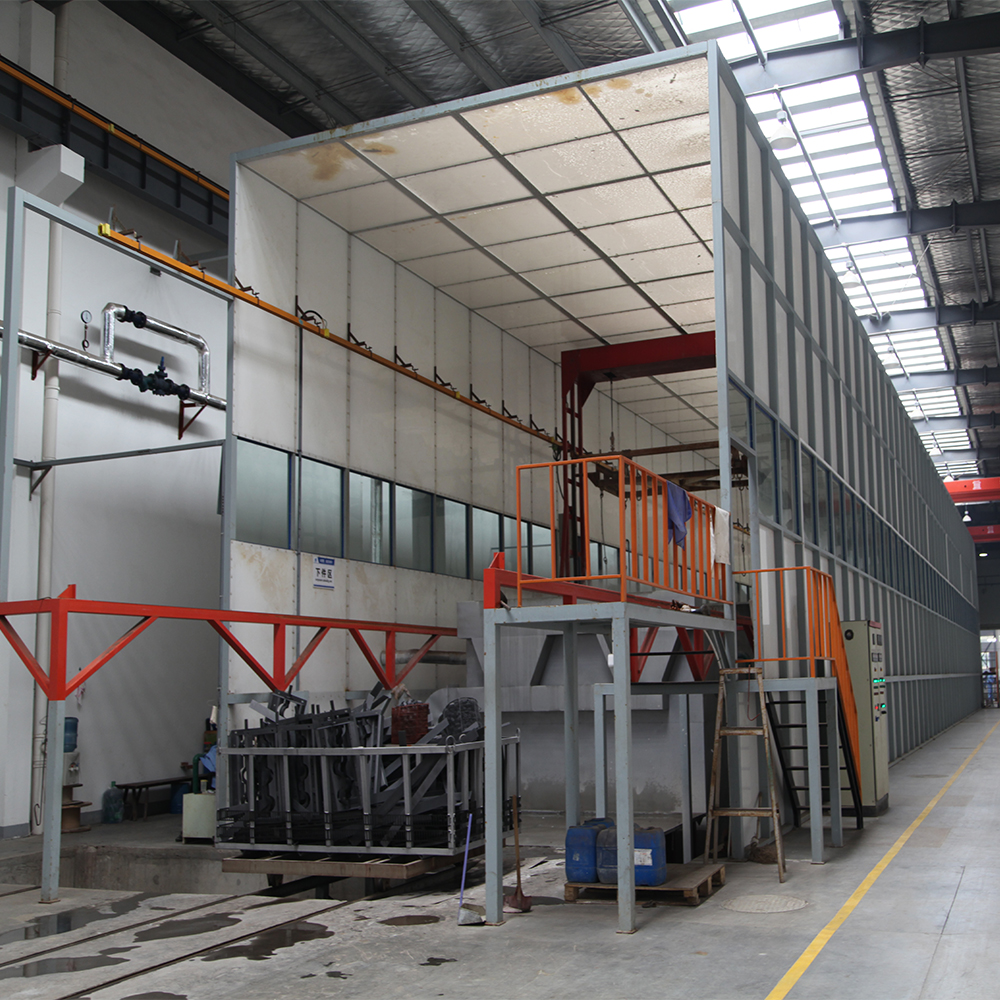
Automotive parts manufacturers face constant pressure to deliver high-quality components while maintaining production efficiency and cost control. A powder painting line represents a critical investment for facilities focused on durability, consistency, and environmental compliance. Unlike traditional liquid coating methods, a powder painting line provides superior adhesion, coverage uniformity, and minimal material waste. For manufacturers seeking to enhance their competitive position, understanding how a powder painting line operates and delivers measurable benefits is essential.
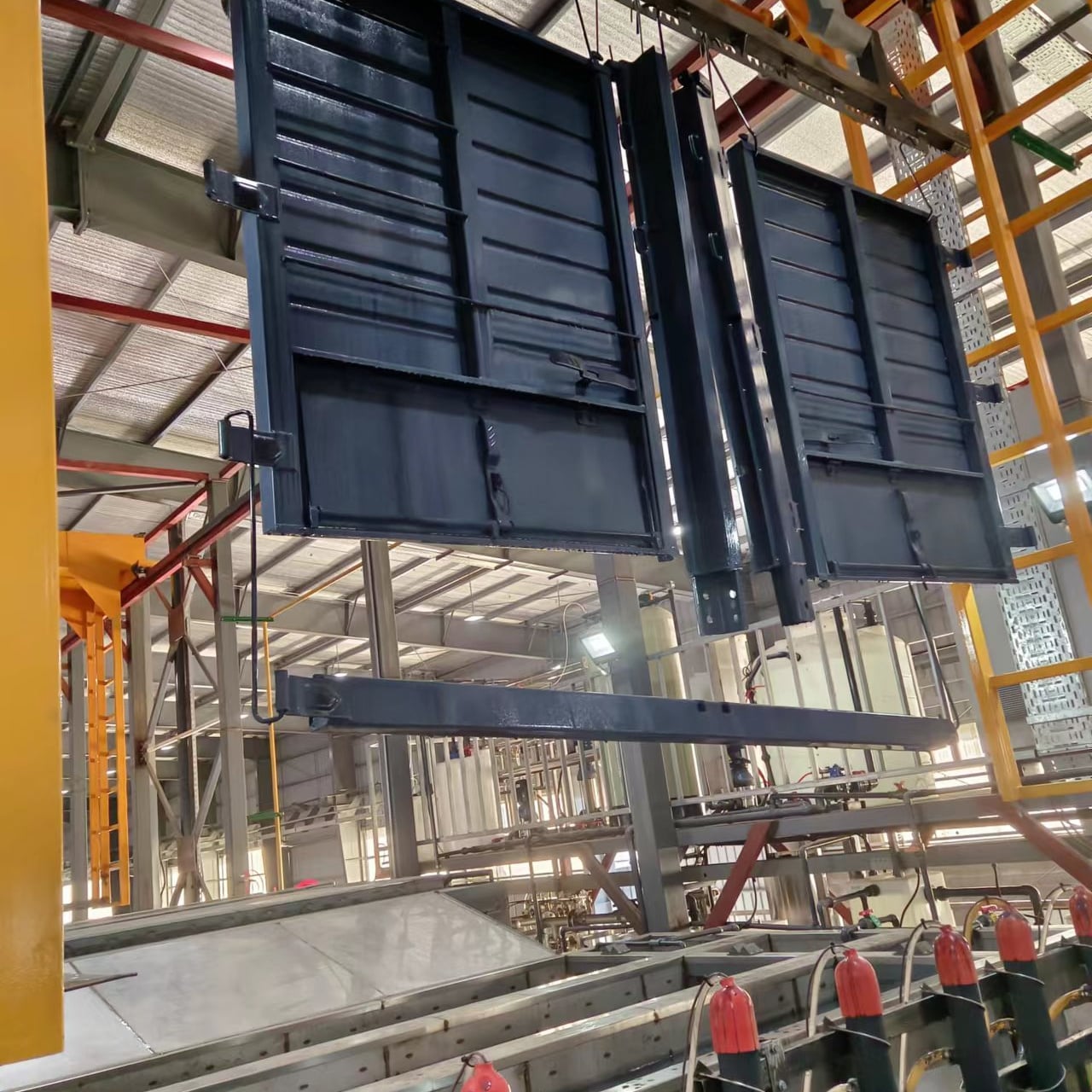
The demand for reliable coating solutions has driven significant evolution in powder painting line technology. Modern automotive supply chains require parts that resist corrosion, maintain dimensional accuracy, and withstand harsh environmental conditions. A powder painting line integrates automated processes, precise application controls, and efficient curing systems to meet these demanding requirements. This article explores how a powder painting line serves automotive manufacturers and how selecting the right system directly impacts production performance and profitability.
Core Components and Technology of Powder Painting Line Systems
Understanding Powder Coating Application in Automotive Manufacturing
A powder painting line operates through electrostatically charged powder particles that adhere uniformly to grounded metal parts. The process begins when parts enter the application chamber of the powder painting line, where electrostatic guns spray finely atomized powder particles. These particles are attracted to the part surface due to electrical charge differential, creating consistent, even coverage without drips or runs. This mechanism is far more efficient than traditional spray painting methods, as a powder painting line captures unused powder for recirculation, dramatically reducing material waste and operational costs.
The automation features embedded in a powder painting line ensure repeatable quality across production runs. Conveyor systems transport parts through the coating zone at controlled speeds, while multiple spray guns and application heads maintain consistent powder distribution. Many advanced powder painting line installations include real-time monitoring sensors that track particle velocity, spray pattern, and powder density, enabling operators to optimize coating parameters continuously. This precision is particularly valuable for automotive suppliers producing components that must pass strict quality and durability standards.
Powder Painting Line Curing and Quality Control Processes
Following application, parts coated by a powder painting line move directly to the curing oven, where controlled heat fuses the powder particles into a seamless, durable finish. The curing stage is integral to the powder painting line process, as precise temperature and dwell time control determine final coating properties such as adhesion strength, flexibility, and impact resistance. Most industrial powder painting line systems employ programmable logic controllers to manage oven temperature profiles, ensuring each batch of parts receives identical thermal treatment. This consistency translates into predictable part performance and reduced field failures that could damage manufacturer reputation.
Quality assurance integrated within a powder painting line workflow includes thickness measurement, adhesion testing, and surface inspection protocols. Automated inspection systems positioned downstream of the curing oven measure coating thickness using eddy current or ultrasonic technology, ensuring all parts meet specified requirements. These checkpoints embedded in the powder painting line process allow manufacturers to catch deviations immediately, reducing scrap rates and maintaining tight control over product standards. For automotive suppliers operating under ISO or automotive-specific certifications, this built-in quality validation is often a prerequisite for customer approval.
Operational Efficiency and Cost Benefits of Powder Painting Line Investment
Material Efficiency and Environmental Advantages
A powder painting line achieves material efficiency levels that traditional coating methods cannot match. Overspray recovery systems integrated into modern powder painting line equipment capture unused powder particles and return them to the hopper for reuse. This closed-loop approach typically recovers 90 to 95 percent of applied powder, compared to 60 to 70 percent recovery in conventional liquid spray operations. For high-volume automotive parts manufacturers, this efficiency translates into substantial annual material savings. A powder painting line also generates minimal hazardous waste, as no volatile organic compounds are released during application, and cured powder waste is minimal and often recyclable.
Regulatory compliance becomes simpler with a powder painting line investment. Liquid coating processes require extensive ventilation systems, personal protective equipment, and hazardous waste disposal protocols that increase operational overhead. A powder painting line eliminates these burdens by using dry powder application, which requires only standard industrial dust collection and does not produce liquid runoff requiring treatment. Environmental regulations in North America, Europe, and increasingly strict Asian jurisdictions favor powder coating processes. Manufacturers operating a powder painting line often find it easier to renew environmental permits and maintain compliance with air quality standards, reducing administrative risk and cost.
Production Speed and Labor Optimization
Automation is a defining characteristic of the powder painting line, directly impacting labor requirements and production throughput. A powder painting line can operate continuously with minimal supervision, as conveyor systems, spray controls, and curing ovens function automatically according to preset parameters. This reduced labor intensity allows manufacturers to deploy workers to higher-value tasks such as part loading, quality inspection, and equipment maintenance rather than manual spray application. For automotive suppliers facing labor scarcity in many regions, this labor optimization becomes a critical competitive advantage. A powder painting line typically supports higher hourly production rates than manual painting methods, enabling manufacturers to fulfill growing customer demand without proportional increases in workforce size.
Cycle time improvement represents another production benefit of a powder painting line system. From part entry to final curing completion, a modern powder painting line can process automotive components in timeframes ranging from 15 to 45 minutes, depending on part complexity and coating specifications. This speed allows manufacturers to maintain responsive production schedules and reduce inventory holding periods. The predictable throughput of a powder painting line enables more accurate production planning and customer delivery commitments, strengthening long-term customer relationships and opening opportunities for just-in-time supply arrangements that improve working capital efficiency.
Selection and Implementation Considerations for Automotive Manufacturers
Assessing Part Geometry and Powder Painting Line Suitability
Not all automotive parts are equally suited to powder coating via a powder painting line; successful implementation requires careful evaluation of part geometry and application requirements. Parts with deep recesses, internal cavities, or areas difficult to access present challenges for a powder painting line, as powder particles may not reach all surfaces uniformly. Manufacturers considering a powder painting line investment should work closely with system designers to analyze part designs and recommend fixtures or tooling modifications that improve coating access. Complex assemblies with multiple materials may require specialized masking or selective coating protocols that a powder painting line provider can implement through custom programming or mechanical setups.
Color change capability is another practical consideration when implementing a powder painting line. Many systems can switch between powder colors or finishes by changing the powder hopper and conducting brief purge cycles. However, frequent color changes reduce efficiency and introduce downtime. Manufacturers should evaluate their product mix and determine whether a single-color powder painting line meets current needs or whether multiple coating stations justify the capital investment. This analysis directly influences both the initial cost of the powder painting line and its long-term profitability for the manufacturing operation.
System Sizing, Space Planning, and Technical Integration
Proper system sizing ensures that a powder painting line matches production volume requirements and facility constraints. A powder painting line footprint includes the spray application chamber, recovery system, curing oven, and supporting infrastructure such as powder hopper, conveyor drives, and electrical components. Manufacturers must assess facility dimensions, power supply capacity, and air handling requirements before committing to a powder painting line purchase. Undersized systems become bottlenecks limiting production, while oversized installations waste capital and floor space. Working with experienced system integrators to match powder painting line capacity to production forecasts ensures optimal return on investment.
Technical integration between a powder painting line and upstream part preparation is critical for consistent results. Parts must arrive at the coating station clean, free of oils, mill scale, and contamination that would compromise powder adhesion. Many facilities combine a powder painting line with integrated pretreatment systems including alkaline washing, rinsing, and conversion coating stages. This integrated approach ensures the entire coating process maintains quality standards. Additionally, integration of the powder painting line with facility ERP and quality systems enables real-time production tracking, traceability, and automated reporting that supports regulatory compliance and continuous improvement initiatives.
FAQ
What makes a powder painting line superior to traditional liquid spray coating for automotive parts?
A powder painting line delivers superior finish consistency, material efficiency, and environmental compliance compared to liquid spray methods. The electrostatically applied powder particles create uniform coverage without drips, and overspray recovery systems recycle 90 to 95 percent of powder material. Liquid spray operations typically waste 30 to 40 percent of applied material and generate volatile organic compound emissions requiring extensive ventilation and hazardous waste management. A powder painting line also produces durable, corrosion-resistant coatings that meet automotive industry durability standards, making it the preferred choice for parts exposed to harsh environmental conditions.
How long does it take for a powder painting line to process automotive parts through the complete coating cycle?
The total cycle time for a powder painting line typically ranges from 15 to 45 minutes, depending on part size, coating thickness specification, and curing temperature requirements. Application time in the powder painting line spray chamber usually takes 2 to 5 minutes, followed by the curing stage in the oven, which can range from 10 to 40 minutes depending on powder formulation and desired final properties. Modern powder painting line systems with high-efficiency curing sections can reduce total cycle time, enabling faster throughput and improved production capacity. Manufacturers should verify cycle time expectations with system suppliers based on their specific part specifications and production volume targets.
What maintenance requirements does a powder painting line demand to ensure reliable long-term operation?
A powder painting line requires regular maintenance including powder hopper cleaning, spray gun nozzle inspection and replacement, conveyor lubrication, and oven heating element monitoring. Most manufacturers should schedule preventive maintenance every 500 to 1000 operating hours, which typically includes cleaning the electrostatic guns, checking recovered powder quality, and inspecting curing oven temperature sensors. Proper maintenance of a powder painting line extends equipment lifespan, prevents unplanned downtime, and maintains consistent coating quality. Reputable powder painting line suppliers provide comprehensive maintenance documentation, training, and spare parts support to help facilities optimize equipment reliability and production continuity.
Table of Contents
- Core Components and Technology of Powder Painting Line Systems
- Operational Efficiency and Cost Benefits of Powder Painting Line Investment
- Selection and Implementation Considerations for Automotive Manufacturers
-
FAQ
- What makes a powder painting line superior to traditional liquid spray coating for automotive parts?
- How long does it take for a powder painting line to process automotive parts through the complete coating cycle?
- What maintenance requirements does a powder painting line demand to ensure reliable long-term operation?