The anode system is critical in the electrodeposition coating process, tasked with maintaining stable bath pH and conductivity. This is achieved through key components including the anolyte tank, circulation pump, flow meter, valves, and the anode cells. Each cell houses an anode tube and an ion-exchange membrane, with ammeters used to monitor current.
The anolyte circulation system must operate 24/7 whenever the electrodeposition bath contains coating solution, regardless of whether coating operations are active. During maintenance shutdowns, the anode DC power supply should be disconnected, but the circulation system must remain running. For extended production stoppages, it is recommended to drain the old anolyte and prepare a fresh batch before resuming production. This practice extends the service life of the membrane electrodes and helps inhibit bacterial growth within the anode system.
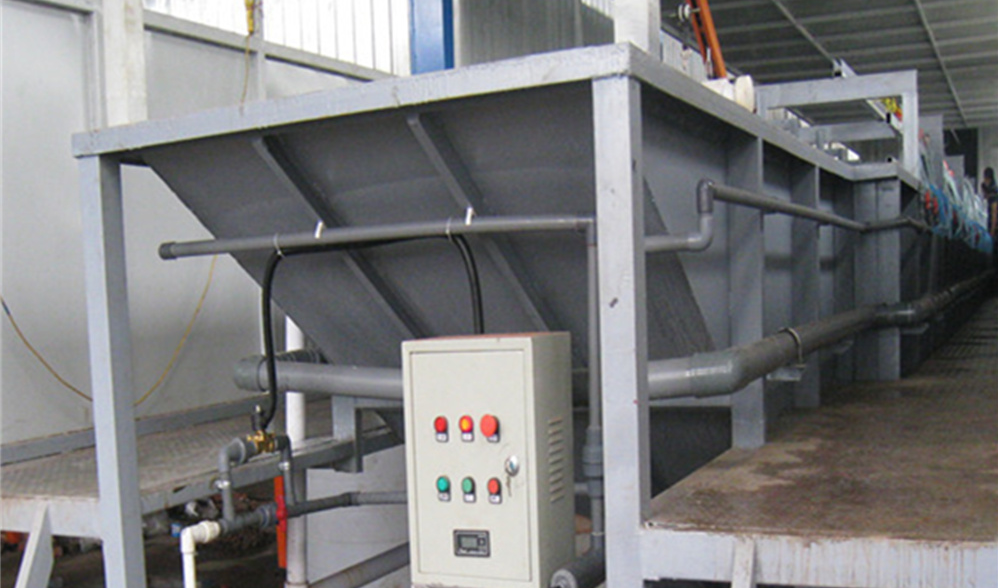
Normal anolyte is clear and transparent. Any sudden change in color indicates a potential issue:
• Cloudiness: Suggests membrane damage, often accompanied by a coating residue buildup visible on the flow meter.
• Cloudiness with flocculent matter: Indicates bacterial contamination.
• Brown to near-black discoloration: Confirms accelerated corrosion of the stainless steel anode plates or insufficient anolyte flow rate.
Add a specified concentration of hydrogen peroxide to the anode tank weekly to inhibit bacterial growth. Each treatment cycle should run for at least 2 hours. If the system is shut down for more than 2 days, an additional biocide treatment is required.
If any individual membrane electrode exhibits faults (e.g., leakage, severe electrode core corrosion, poor wiring connections, or abnormal circulation), immediate corrective action must be taken to ensure uninterrupted production.
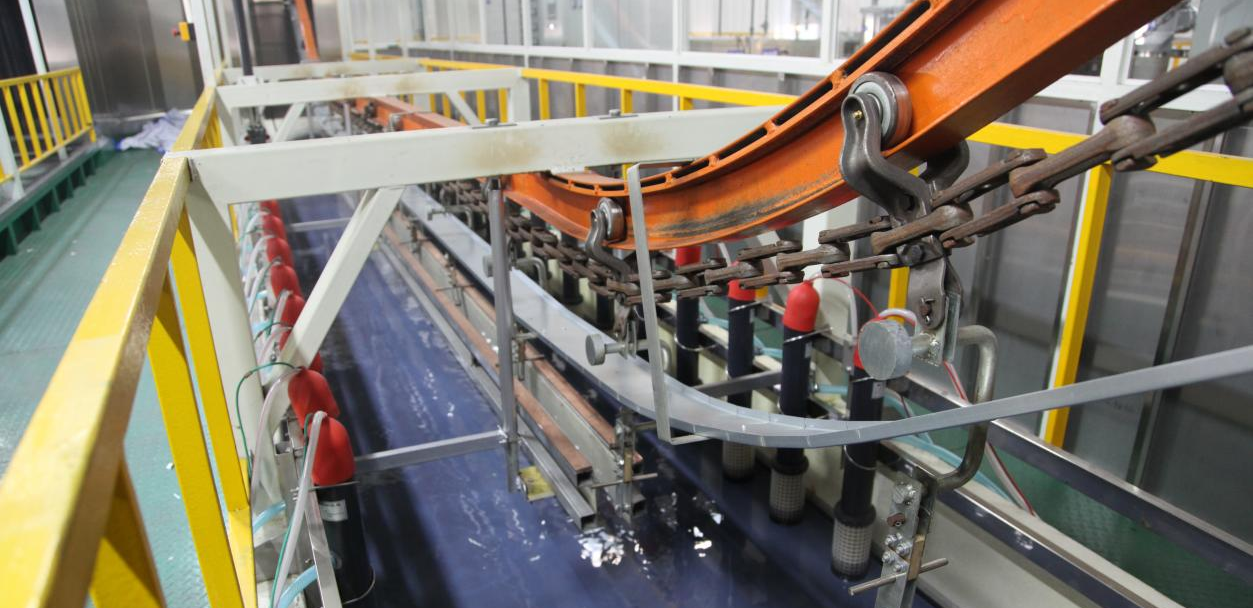
Note: If a tubular anode's membrane is damaged (e.g., due to workpiece impact or tank draining), repair is often difficult. In such cases, the anode may continue operating only if its individual anolyte circulation is turned off.
Caution: Operating without anolyte flow will cause rapid corrosion of the anode tube. If there are too few anodes to isolate one, a temporary fix using acid-resistant, non-filling adhesive (avoid epoxies or other fillers) can be applied to patch the membrane, allowing circulation to continue until the next scheduled maintenance for a full replacement.
To ensure coating quality, save energy, and extend the lifespan of tubular membrane electrodes, they should be removed from the bath and thoroughly cleaned approximately every six months.
Replace the anode if the surface corrosion on the 316L stainless steel core reaches 20%, or if the core length has been reduced by more than 10% due to corrosion.
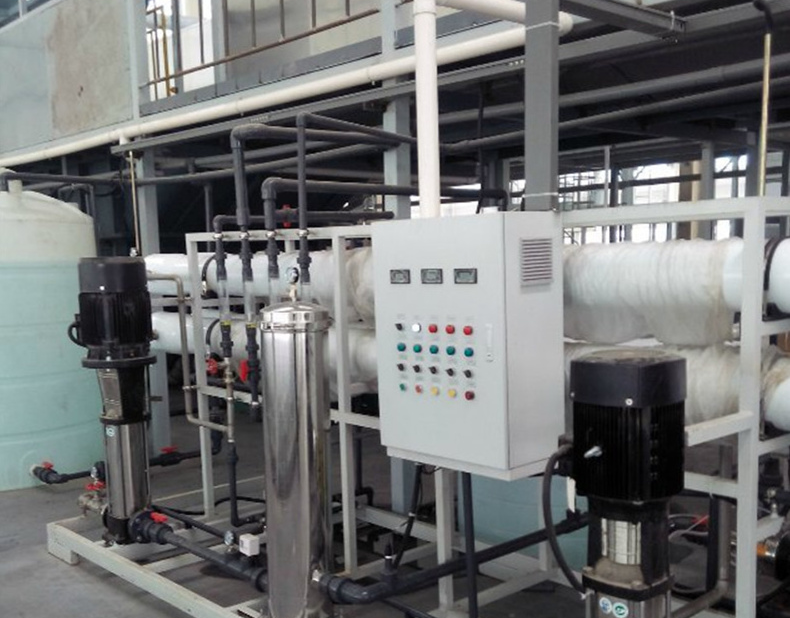
Every 2–3 months, rotate the 316L stainless steel electrodes by 180°. The membrane housing may be rotated along with the electrode to further prolong service life. During each rotation, carefully inspect the electrode wiring connections.
As the anode tube corrodes, dissolved iron ions can block the exchange membrane, increasing electrical resistance and driving up current. When corrosion reaches a critical level, replacement is necessary. While the typical lifespan for anode membranes and stainless steel tubes is 2–3 years, their optimal performance period is approximately 1 year.

Copyright © 2025 Yangzhou OURS Machinery Co., Ltd.All rights reserved. - Privacy policy
 EN
EN
