Electrophoretic coating is not simply about spraying paint onto a metal surface; it is an electrochemical deposition process driven by an electric field. Its core lies in immersing workpieces in an electrophoretic bath composed of waterborne resins, pigments, and additives. Under a direct current electric field, charged resin particles migrate toward the electrode of opposite charge and deposit uniformly on the workpiece surface. This electrochemical mechanism dictates that coating quality is directly linked to equipment functionality - equipment selection is essentially about creating the optimal operating environment for this chemical reaction.
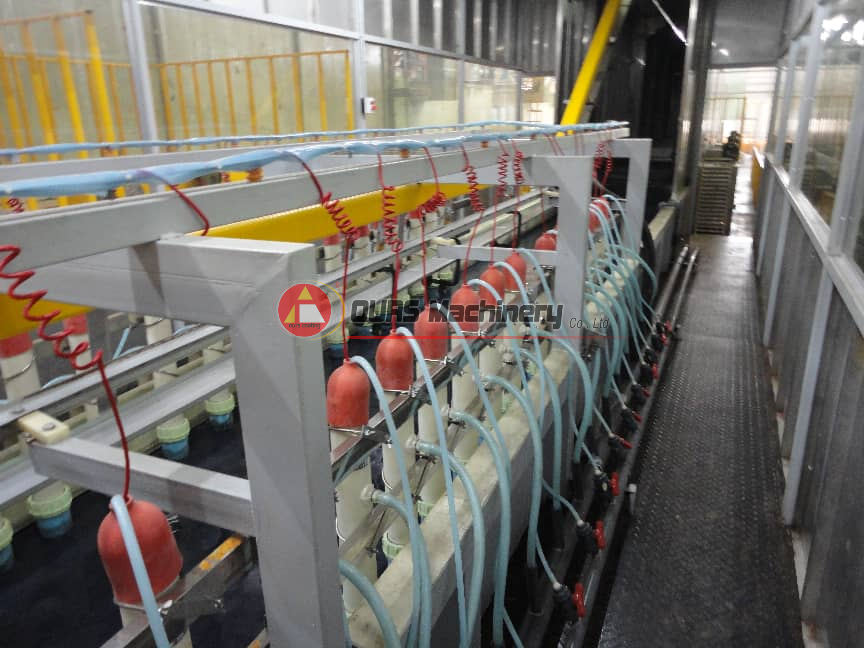
Against the backdrop of coating line upgrades and accelerated intelligent transformation, electrophoretic coating has become a critical anti-corrosion process for high-demand components such as automotive parts, construction machinery, and new energy battery housings. Selecting equipment is no longer a simple decision of "buying a tank plus a few rectifiers." It is, in essence, a systematic assessment of process adaptability, production flexibility, energy structure, maintenance logic, and even technological evolution over the next five years.
First, it must be clear: electrophoretic coating is not an isolated step but a critical node in the entire chain of pre-treatment → e-coating → UF rinsing → drying. The starting point of selection is never "which brand has better specifications," but rather "what does my workpiece look like, how many per day, and is the surface condition stable?" For example, a new energy battery tray plant produces aluminum stamped parts with a surface area of 1.8m2 per piece and a daily output of 1,200 pieces. However, the incoming oxide film thickness fluctuates by as much as ±30nm. This small variation easily leads to a coating thickness dispersion exceeding ±5μm under traditional DC power. The plant ultimately abandoned a high-end model boasting "current accuracy ±1%" and chose a pulsating rectification system with real-time film thickness feedback control. Although the initial investment was 12% higher, the first-pass yield rose from 89% to 99.2% within three months, and rework energy consumption dropped by 40%.
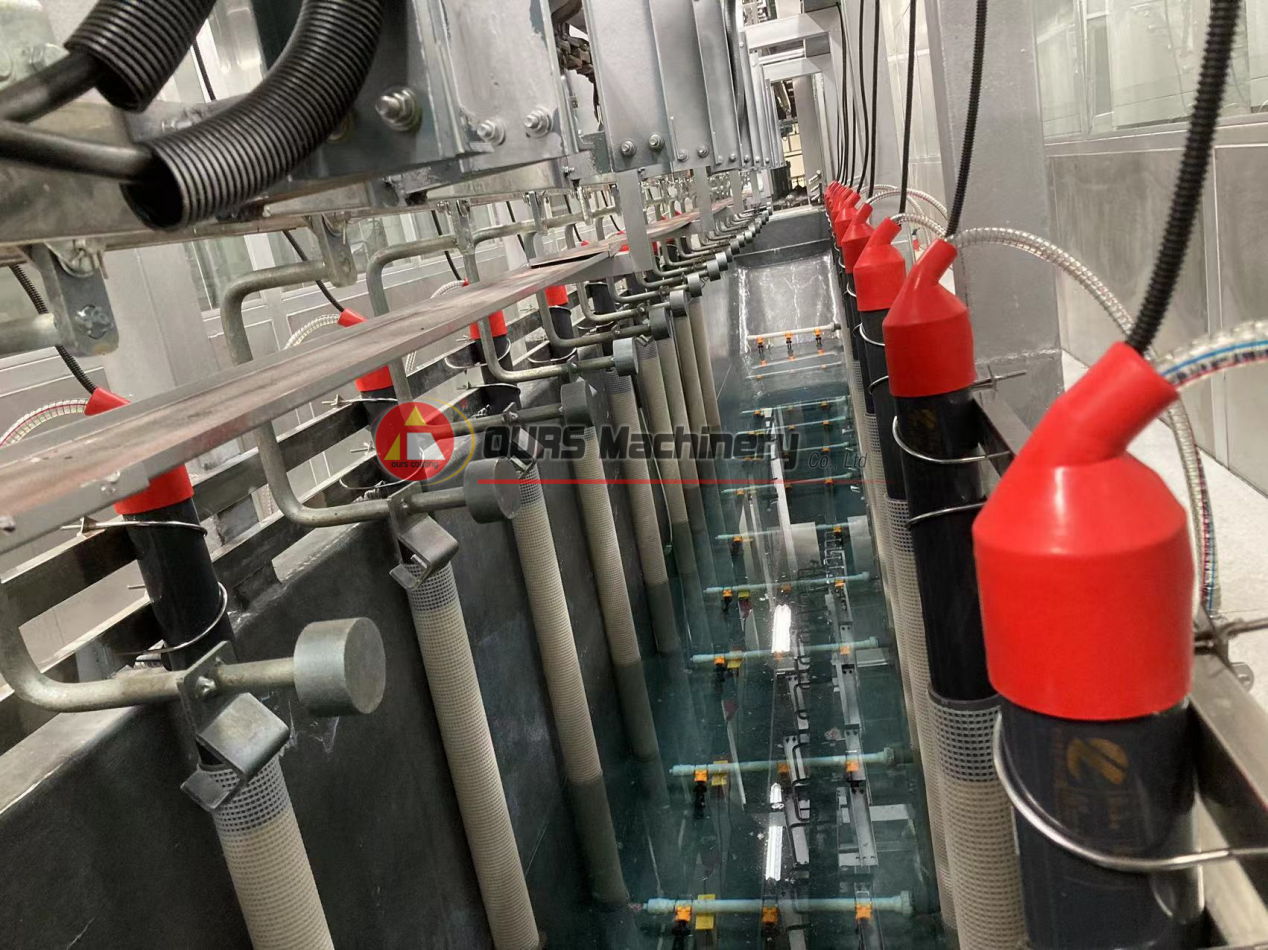
Tank structure design is often underestimated, yet it is a fundamental variable determining long-term stability. A standard rectangular tank is cost-effective but prone to "bimodal imbalance" - high edge current density and insufficient deposition in cavities - when handling complex-shaped parts (e.g., chassis parts with deep recesses or narrow slits). Practices show that lines using a "gradient variable cross-section tank" achieve a 67% higher coating thickness pass rate on the inner walls of U-shaped bends compared to conventional tanks. The key modifications include: widening the tank bottom by 15% to buffer sediment, tilting the side walls inward by 3° toward the inlet to guide liquid flow, and adding baffles at the outlet to reduce turbulence. These non-standard changes do not increase electrical control complexity but make the physical field more "well-behaved."
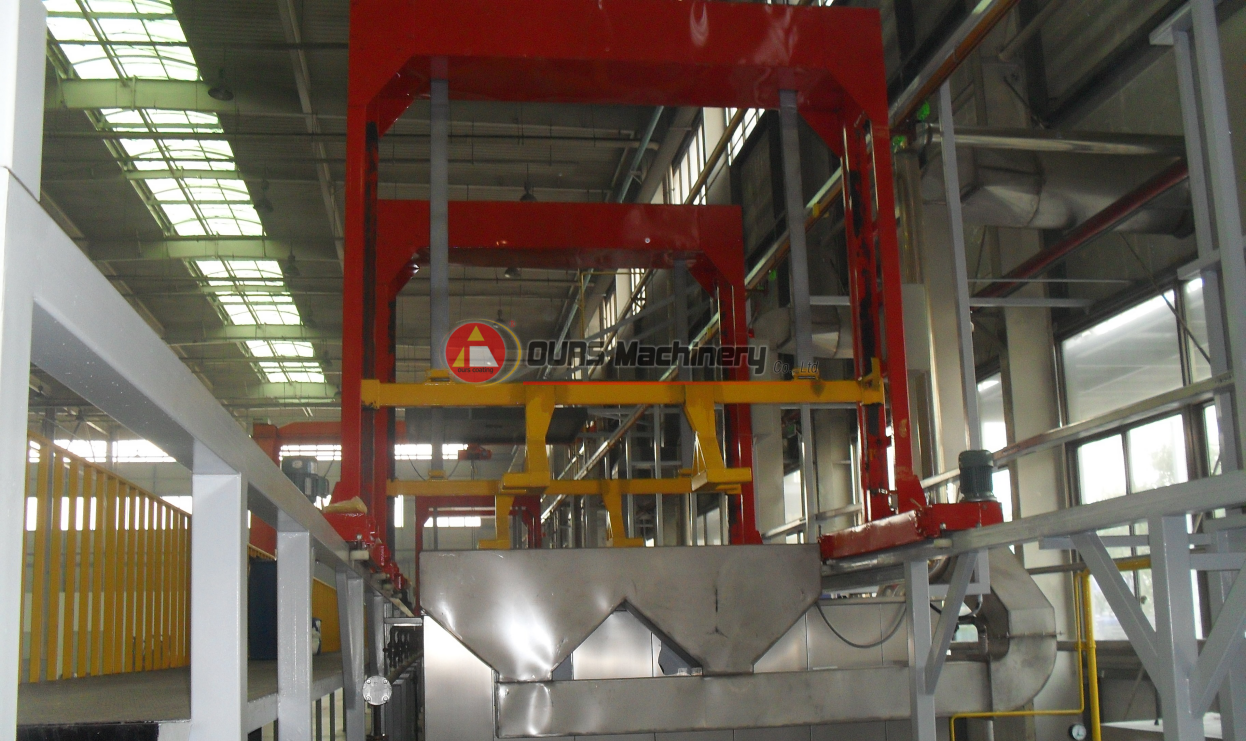
There is a clear misconception in power supply selection. Many users focus on "maximum output voltage" and "ripple coefficient" while ignoring the hidden indicator of "dynamic response time." Measurements show that when the current surges by 300% the moment the hanger enters the tank, a power supply with a response delay exceeding 50ms results in an 8–12μm lower film thickness on the first part. In contrast, a power supply using IGBT high-frequency chopping architecture compensates within 12ms, keeping the thickness difference between the first and last parts within ±2μm. Moreover, the "segmented constant current mode" of such power supplies can preset three current ramp-up curves for different materials (cold-rolled steel, galvanized sheet, aluminum), avoiding pinholes on aluminum parts caused by excessive initial current.
The ultrafiltration (UF) system is not an accessory but the "gatekeeper" of electrophoretic coating quality. A common mistake is to back-calculate UF membrane area based on theoretical paint solids content. Instead, the calculation should be based on the "total amount of small molecular impurities that need to be removed per unit time." A commercial vehicle frame plant once experienced a sharp rise in UF liquid turbidity during hot summer months due to insufficient UF flux margin, leading to loss of paint bath conductivity control and a two-day shutdown for adjustment. Post-mortem analysis revealed that the actual effective UF membrane area was only 63% of the design value, mainly because the progressive fouling of the membrane surface by paint sludge had not been accounted for. The current industry consensus is that the reserve factor for UF membrane area should not be less than 1.8, and an online turbidity-plus-conductivity dual-parameter linked cleaning trigger logic must be configured.
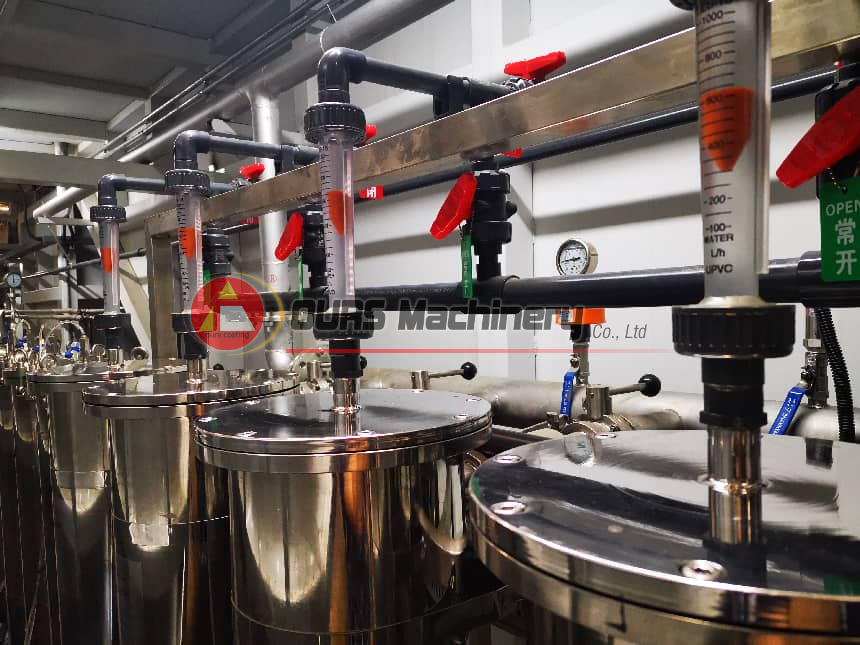
Finally, the often-overlooked "human-machine interface friendliness." This does not mean how flashy the screen is, but whether the operation logic matches real-world shop-floor conditions. For example, alarm messages must distinguish between "deferrable issues" (e.g., slight temperature exceedance) and "immediate intervention required" (e.g., anode plate short circuit), with the latter automatically displaying step-by-step troubleshooting graphics. Parameter changes require two-level authorization and automatically generate modification logs. These seemingly trivial details shorten the independent operation ramp-up time for new employees by 40% and reduce batch scrap due to misoperation by 75%.
It is worth emphasizing that all technical parameters ultimately return to two simple questions: Can this line take on new projects three years from now? Can a maintenance engineer replace a module without flipping through a manual? Only when equipment is no longer just "purchased" but "integrated into the fabric of the production line" can the selection be considered truly complete.
There is no single optimal solution for electrophoretic coating equipment - only the best fit. It tests not how well you know specification sheets, but how deeply you understand the "breathing rhythm" of your own production line: that ability, beyond drawings and above data, to hear the real conversation between metal and paint every time the hanger enters the tank.

Copyright © 2025 Yangzhou OURS Machinery Co., Ltd.All rights reserved. - Privacy policy
 EN
EN
