
 EN
EN
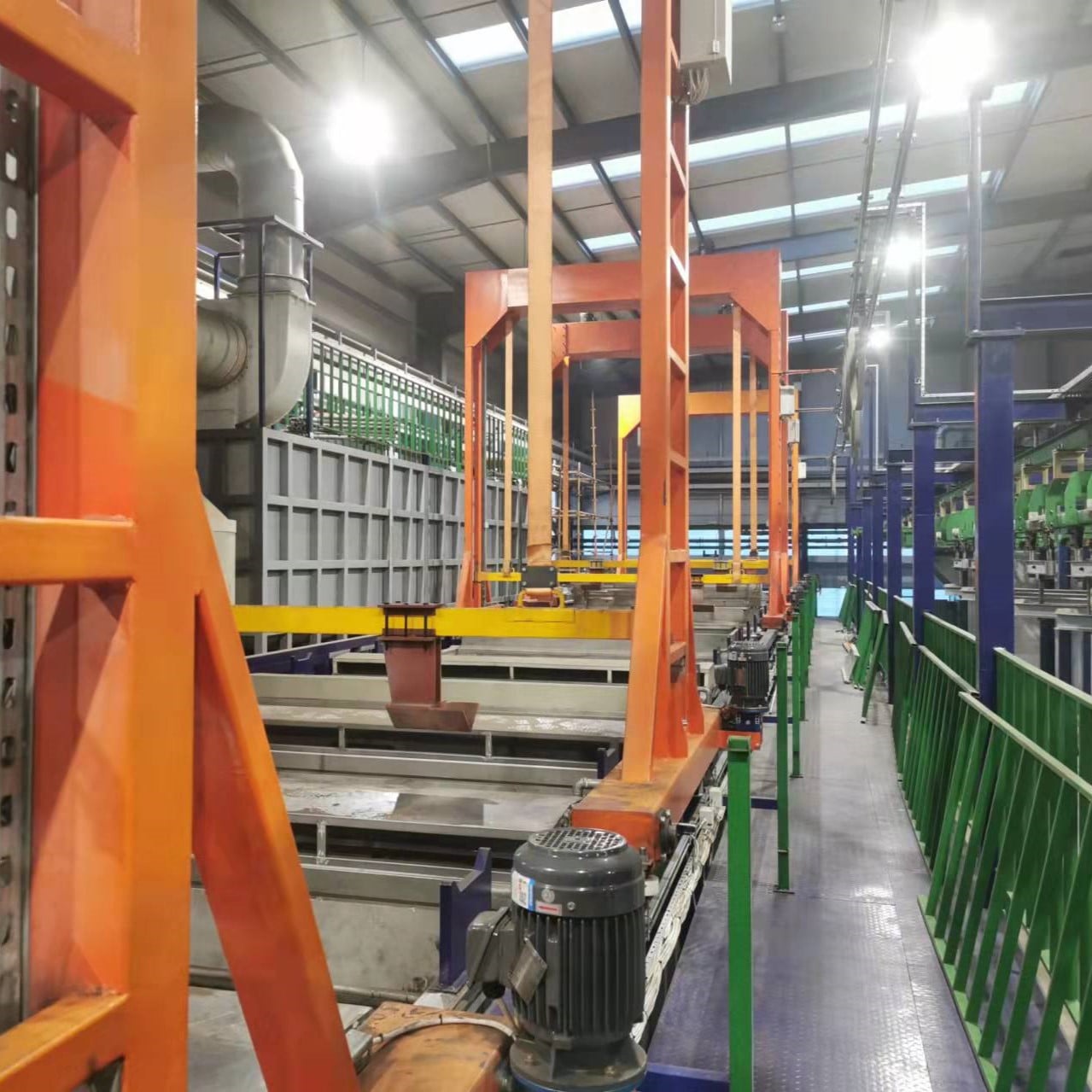
Choosing the right coating technology is one of the most critical decisions in modern manufacturing. The e-coating line has become increasingly popular in automotive, appliance, and heavy equipment production because it delivers superior corrosion resistance and exceptional coverage on complex geometries. However, many manufacturers still compare e-coating line systems directly against powder coating without fully understanding the fundamental differences that make each technology suited to specific industrial applications. Understanding how an e-coating line operates compared to traditional powder coating methods will help you make an informed decision that aligns with your production goals, quality standards, and budget constraints.
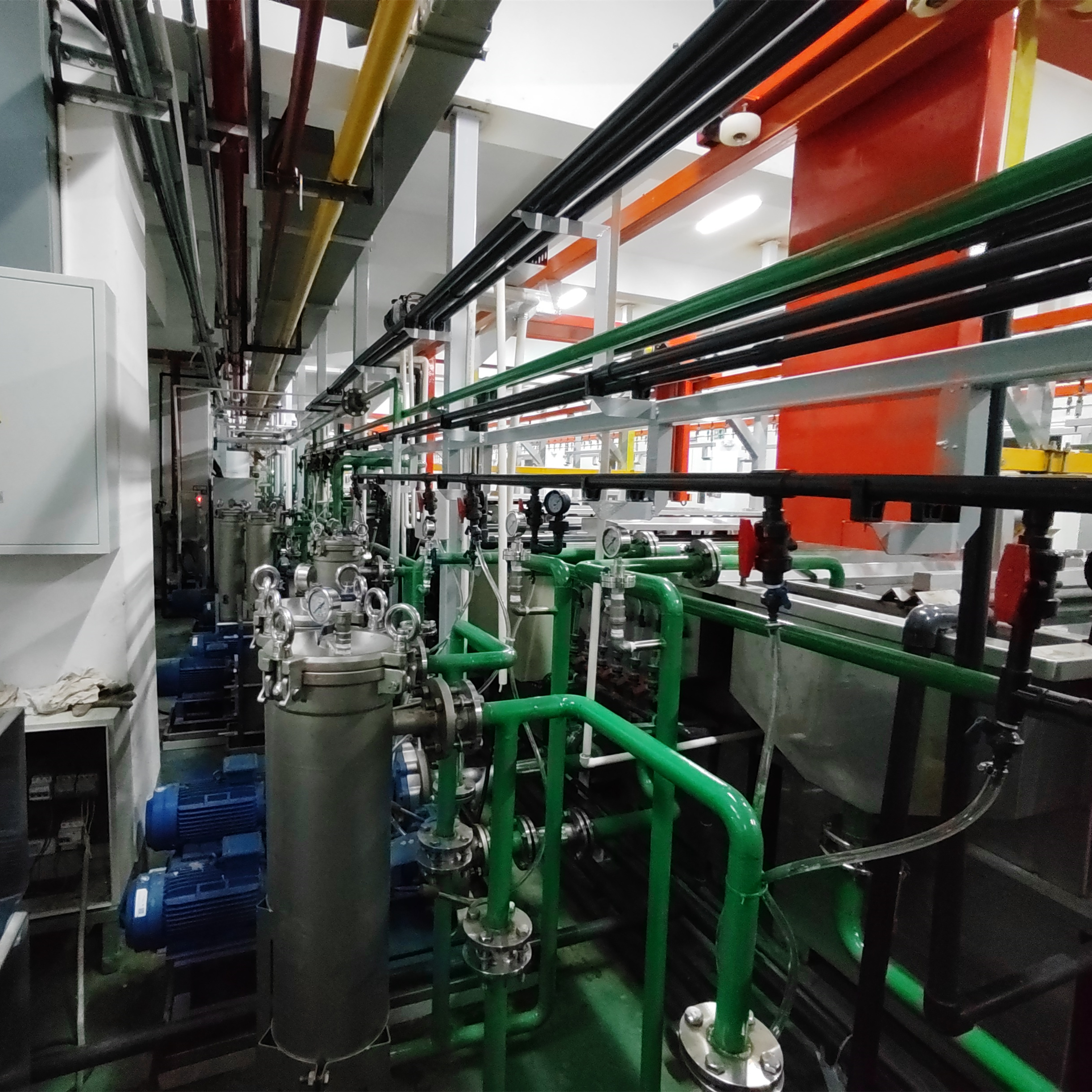
The fundamental distinction between these two coating approaches lies in how the paint is applied and cured. An e-coating line uses electrical charge to deposit paint particles onto metal substrates submerged in a chemical bath, while powder coating relies on electrostatic spraying followed by thermal curing. Each method has distinct advantages in different manufacturing contexts. Industrial facilities must evaluate coating thickness uniformity, coverage capabilities, environmental compliance, and long-term durability before selecting between an e-coating line and powder coating technology.
How E-Coating Line Technology Differs from Powder Coating
Deposition Method and Process Flow
An e-coating line operates through a process called electrophoretic deposition, where workpieces are immersed in a chemical tank containing charged paint particles. The electrical potential difference causes paint particles to migrate toward the grounded workpiece, adhering uniformly across all surfaces including hard-to-reach cavities and recesses. This immersion-based approach is fundamentally different from powder coating, which applies dry powder particles through electrostatic spray guns before thermal curing in an oven.
The e-coating line chemistry involves a sophisticated balance of water, resin, pigments, and additives that work together to achieve uniform film thickness. Powder coating, by contrast, uses dry thermoplastic or thermoset resins that must be sprayed and then melted to form a continuous film. An e-coating line generally produces more uniform coverage on complex shapes because paint is deposited electrochemically rather than sprayed, eliminating dead spots or thin areas that can occur with powder coating spray guns.
Coverage and Film Thickness Control
One of the primary advantages of an e-coating line is its exceptional ability to coat interior surfaces and enclosed areas that powder coating cannot easily reach. When parts are immersed in the e-coating line bath, paint particles travel electrochemically to every exposed surface, including the inside of hollow channels, tubing, and complex cavities. Powder coating, applied through spray methods, inherently struggles with these interior geometries because the spray pattern cannot penetrate enclosed spaces effectively.
An e-coating line also provides superior film thickness uniformity, typically ranging from 15 to 50 microns depending on bath parameters and applied voltage. Powder coating can achieve similar dry film thicknesses but requires multiple spray passes and careful operator technique to maintain consistency. The immersion principle of an e-coating line removes many variables associated with spray patterns, applicator distance, and air pressure adjustments that affect powder coating quality and repeatability.
Industrial Applications and Suitability
Automotive and Structural Applications
The automotive industry relies heavily on e-coating line technology for vehicle body protection because corrosion resistance is paramount in extending vehicle lifespan. Automotive manufacturers use e-coating line systems for undercarriage protection, frame coating, and structural component coverage because the immersion process delivers excellent cathodic protection. Powder coating is more commonly applied to visible exterior panels, trim components, and cosmetic surfaces where appearance and color options matter more than cathodic protection performance.
An e-coating line is particularly valuable for appliance manufacturers, HVAC equipment producers, and heavy machinery builders who must protect exposed metal from salt spray, humidity, and corrosive environments. The electrochemical bonding achieved through an e-coating line creates a molecular-level adhesion that resists peeling, chipping, and corrosion propagation more effectively than powder coating in severe service conditions. Powder coating excels in outdoor architectural applications, consumer products, and situations where aesthetic finish quality and color variety are primary considerations.
Cost, Throughput, and Operational Factors
An e-coating line requires substantial capital investment and infrastructure including electrical systems, chemical supply networks, wastewater treatment, and specialized tank design. However, once operational, an e-coating line typically achieves higher throughput on complex parts because immersion is faster than spray application and eliminates the need for skilled spray operators on every shift. Powder coating systems generally have lower initial capital cost but require consistent operator technique, environmental controls, and careful spray booth maintenance.
Environmental compliance differs significantly between the two methods. An e-coating line generates aqueous waste requiring treatment before disposal, and volatile organic compound emissions are minimal because the paint is water-borne. Powder coating produces no wastewater but generates airborne powder particles requiring capture and disposal infrastructure. An e-coating line is often preferred by manufacturers with strict environmental regulations or facilities located in regions with tightening air quality standards.
Performance Characteristics and Long-Term Durability
Corrosion Resistance and Environmental Protection
The corrosion protection offered by an e-coating line is superior to powder coating in most industrial environments because cathodic deposition creates excellent adhesion and film continuity with minimal defects. When corrosion testing is conducted using salt spray chambers, parts coated with an e-coating line typically outlast powder-coated parts by significant margins, especially in marine or coastal applications. An e-coating line's ability to coat interior surfaces means that protection extends to areas that would remain bare and vulnerable with powder coating applications.
Powder coating provides excellent cosmetic protection and abrasion resistance on exterior surfaces but cannot match the comprehensive corrosion protection of an e-coating line on complex assemblies. Powder coating is susceptible to edge and crevice corrosion if the application does not provide complete coverage, whereas an e-coating line eliminates these vulnerabilities through immersion technology. For applications requiring long-term durability in harsh environments, an e-coating line consistently delivers superior performance.
Aesthetic and Functional Properties
Powder coating offers aesthetic advantages that an e-coating line cannot match, including glossy finishes, vibrant colors, textured surfaces, and dramatic visual effects that appeal to consumer products and architectural applications. An e-coating line typically produces matte or satin finishes that lack the visual appeal of powder coating but provide excellent functional characteristics. Many manufacturers use both technologies in sequence: an e-coating line for structural corrosion protection followed by powder coating or wet paint for aesthetic appeal and consumer visibility.
An e-coating line is specifically engineered for protection rather than appearance, making it the ideal choice for hidden components, structural elements, and parts prioritizing durability over visual impact. Powder coating performs exceptionally well when aesthetic presentation is equally important as protection. Understanding this distinction helps manufacturers select the appropriate coating technology or combination of technologies to meet both functional and market-facing requirements.
FAQ
What exactly is an e-coating line and how does it work?
An e-coating line is an immersion-based coating system that uses electrical current to deposit paint particles onto metal workpieces submerged in a chemical bath. The electrical potential difference causes charged paint particles to migrate electrochemically onto the grounded part, creating a uniform and continuous coating that adheres at the molecular level. This process is highly effective for protecting complex geometries and interior surfaces that spray-based methods like powder coating struggle to reach uniformly.
Why choose an e-coating line over powder coating for automotive applications?
An e-coating line is preferred in automotive manufacturing because it delivers superior cathodic protection, exceptional corrosion resistance, and uniform coverage on complex structural assemblies. The immersion process ensures complete coating of interior cavities, undercarriage areas, and enclosed spaces that powder coating cannot effectively coat through spraying. Automotive manufacturers prioritize long-term corrosion resistance and structural protection, making an e-coating line the industry standard for body panels and frame components exposed to moisture and salt.
Can e-coating line and powder coating be used together on the same part?
Yes, many manufacturers apply both technologies in sequence to optimize both protection and aesthetics. An e-coating line can be applied first to provide comprehensive corrosion protection and structural durability, followed by powder coating applied to visible surfaces for color, gloss, and aesthetic appeal. This combination approach leverages the functional strengths of an e-coating line with the visual benefits of powder coating, delivering superior overall performance for complex industrial products.