 EN
An e-coating line represents one of the most effective electrodeposition technologies for protecting aluminum and steel components across industrial manufacturing. This sophisticated system combines surface pretreatment, electric field application, and controlled curing to deliver uniform, corrosion-resistant coatings that meet stringent automotive, appliance, and industrial equipment standards. Understanding how an e-coating line works and why manufacturers invest in this technology is essential for anyone responsible for component finishing, quality assurance, or capital equipment decisions in metalworking industries.
The demand for reliable surface protection has driven manufacturers to adopt e-coating line technology as a standard specification. Unlike traditional spray painting, an e-coating line applies paint through electrical charge, ensuring consistent coverage on complex geometries, internal cavities, and hard-to-reach surfaces. For aluminum and steel components destined for harsh environments, marine applications, or long-service-life equipment, an e-coating line delivers the durability and uniformity that alternative finishing methods cannot match.
How E-Coating Line Systems Function
The Electrodeposition Process in an E-Coating Line
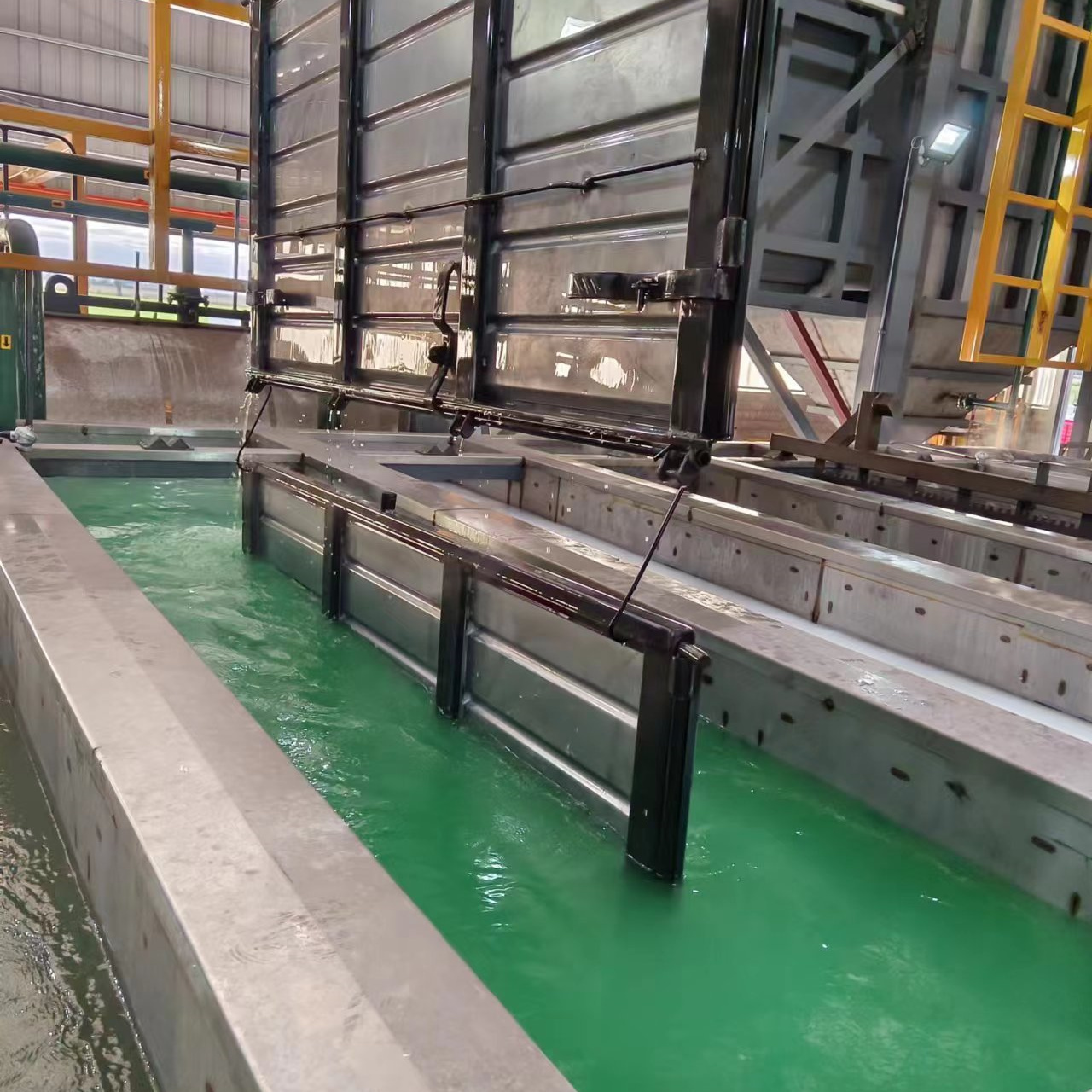
An e-coating line operates by suspending charged paint particles in a water-based medium within a tank. When aluminum and steel components are submerged and connected to an electrical circuit, paint particles migrate toward the component surface, forming a uniform film thickness regardless of surface complexity. This electrochemical attraction ensures that an e-coating line deposits paint consistently on blind holes, recesses, and internal channels where spray methods leave thin spots or gaps. The process continues until the component reaches electrical saturation, at which point coating deposition naturally stops, preventing runs and excessive buildup.
Integration Within Pretreatment Systems
Before aluminum and steel components enter the coating tank, an e-coating line requires thorough surface preparation. The pretreatment stage removes oxides, oils, and contaminants that would compromise adhesion and corrosion protection. An e-coating line typically incorporates alkaline wash, rinse, acid pickle, and conversion coat stages to establish a chemically clean surface. This integrated approach ensures that when components move into the e-coating line tank, the electrodeposition process begins on pristine, reactive surfaces, maximizing paint film adhesion and long-term corrosion resistance.
Industrial Benefits of E-Coating Line Technology
Superior Corrosion Protection and Durability
An e-coating line delivers exceptional corrosion resistance because the electrodeposition process creates a continuous, pinhole-free film across all component surfaces. For aluminum and steel substrates exposed to moisture, salt spray, or industrial atmospheres, this sealed protection extends service life by decades compared to uncoated alternatives. The uniform film thickness produced by an e-coating line, typically 20 to 50 microns, resists mechanical damage, UV degradation, and chemical attack far more effectively than variable thickness achieved through spray application. Industries including automotive underbody, appliance housings, and offshore equipment rely on e-coating line systems to meet corrosion specifications that direct cost savings through reduced field failures and warranty claims.
Manufacturing Efficiency and Cost Control
An e-coating line automates the coating process, reducing labor requirements and operator skill dependency compared to manual spray finishing. The consistent, predictable results from an e-coating line minimize waste, rework, and quality variation caused by hand application inconsistency. Aluminum and steel components process through an e-coating line in controlled time cycles, allowing manufacturers to integrate coating operations seamlessly into high-volume production lines. The enclosed tank design of an e-coating line also captures and recycles paint, reducing material consumption and environmental compliance costs associated with overspray disposal.
Coverage of Complex Geometries
Complex aluminum and steel castings, stamped parts, and welded assemblies benefit significantly from an e-coating line's ability to coat interior surfaces, threads, and tightly spaced features. An e-coating line reaches areas that spray guns cannot access, delivering protection to fastener holes, structural cavities, and internal channels where corrosion often initiates. This comprehensive protection capacity makes an e-coating line the preferred choice for automotive transmission housings, hydraulic manifolds, engine blocks, and structural brackets where incomplete coverage would create catastrophic reliability risks.
Process Requirements and Operating Considerations
Electrical and Chemical Parameters for E-Coating Line Operation
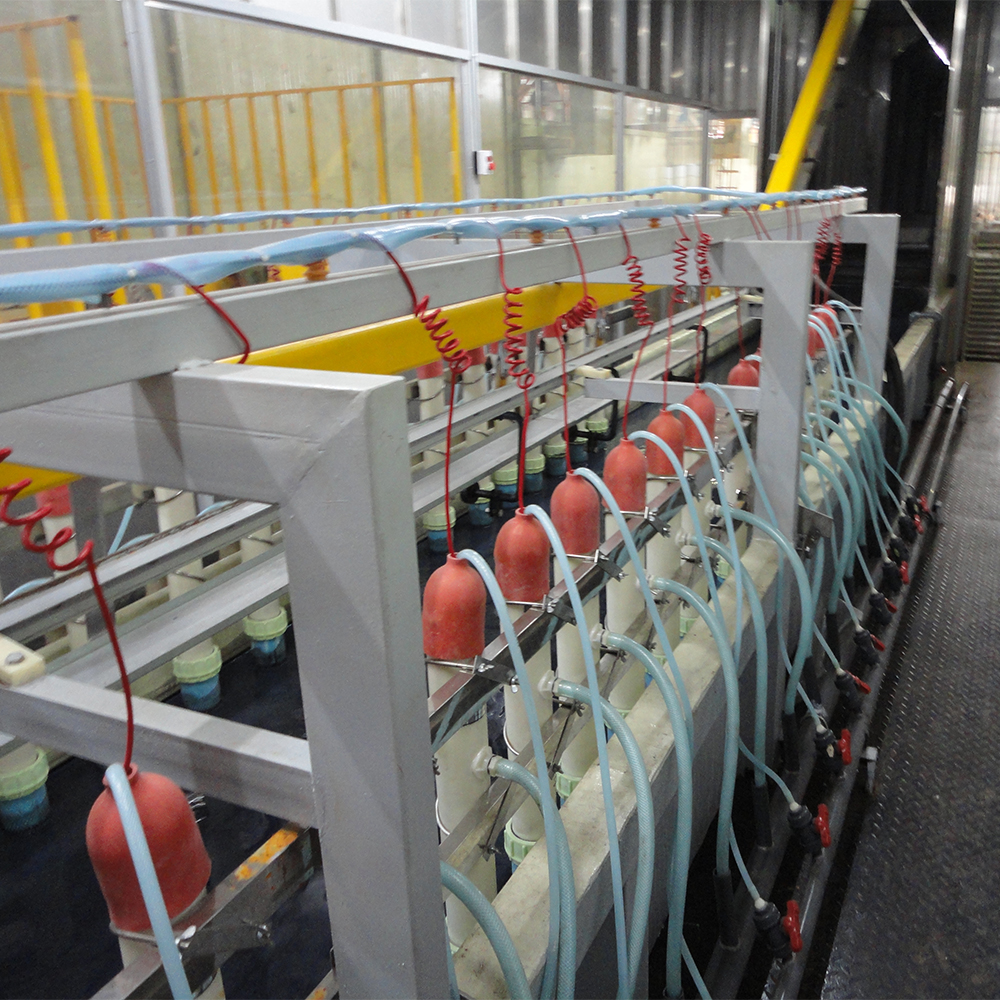
Successful operation of an e-coating line depends on precise control of electrical voltage, current density, and paint chemistry. Voltage levels typically range from 200 to 400 volts, with the e-coating line automatically adjusting current to maintain coating quality as the paint film builds on component surfaces. The paint formulation in the e-coating line tank must maintain specific conductivity, pH, and resin-to-solvent ratios to ensure consistent electrodeposition rates and film properties. Operators monitor tank temperature, component residence time in the e-coating line, and paint concentration to sustain performance and prevent defects such as paint runs, incomplete coverage, or adhesion failure.
Post-Coating and Curing Steps
After components exit the e-coating line tank, they enter rinse stages that remove excess water and residual paint particles. Deionized water rinses in the e-coating line system ensure that components proceed to ovens with minimal background conductivity, preventing post-immersion sagging or runs during cure. The wet film emerging from an e-coating line is fragile; careful handling and rapid transition to thermal cure schedules prevent damage. Curing temperatures typically range from 140 to 180 degrees Celsius, polymerizing the paint film to achieve final hardness, chemical resistance, and gloss properties. Flash-off zones between the e-coating line tank and the oven allow volatile organic compounds to escape, improving air quality and reducing explosive atmosphere risks.
FAQ
Can an e-coating line handle both aluminum and steel in the same tank?
Yes, an e-coating line is designed to process both aluminum and steel components simultaneously because electrodeposition responds to electrical charge and surface area rather than material type. However, the pretreatment chemistry upstream of the e-coating line must be formulated to create compatible conversion coats on both substrates. Material-specific rinse stages and acid pickle times may require adjustment when an e-coating line tank receives mixed material types, but properly configured systems handle dual-material workflows without significant performance compromise.
What maintenance requirements does an e-coating line demand?
An e-coating line requires regular monitoring of paint concentration, conductivity, and filtration system performance to maintain coating quality and prevent tank degradation. Tank agitation, pump circulation, and heating systems must operate continuously to prevent pigment settling and chemical stratification within the e-coating line. Filter cartridges demand periodic replacement, and ultrafiltration systems need periodic maintenance to remove ionic contaminants. Routine inspections of electrical contacts, tank seals, and drainage systems help identify wear patterns early, extending e-coating line system lifespan and reducing unexpected downtime.
How does an e-coating line compare to alternative coating methods for industrial components?
An e-coating line excels in delivering uniform coverage on geometrically complex parts and achieves superior corrosion protection through film continuity; however, it requires substantial capital investment, pretreatment infrastructure, and ongoing chemical management compared to spray or powder coating alternatives. Spray methods offer lower initial cost and greater color flexibility but introduce operator dependency and waste. Powder coating delivers excellent finish aesthetics and environmental benefits but struggles with internal surface coverage on aluminum and steel assemblies. For high-volume production of critical components requiring reliable, long-term corrosion protection, an e-coating line typically justifies its investment through superior quality and manufacturing efficiency.