 EN
EN
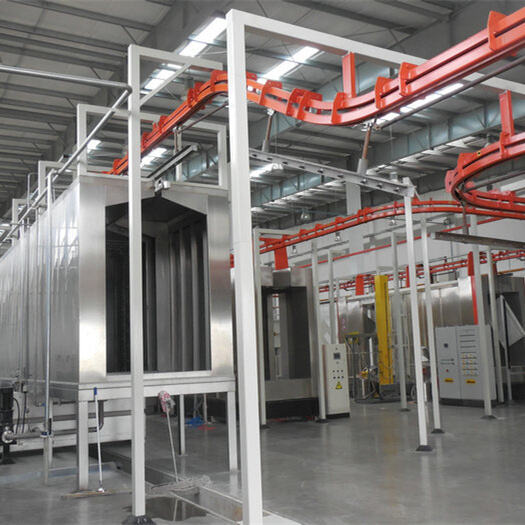
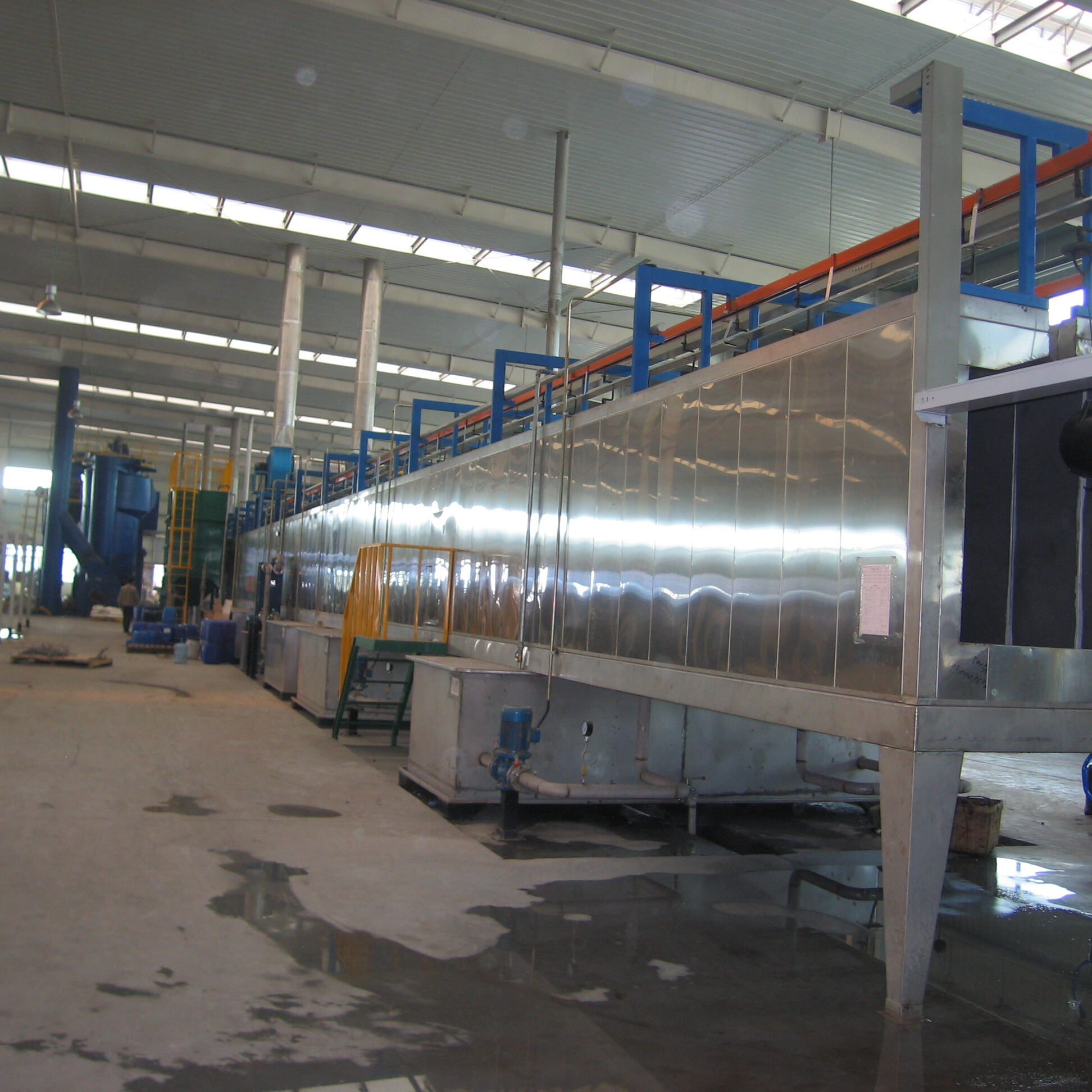
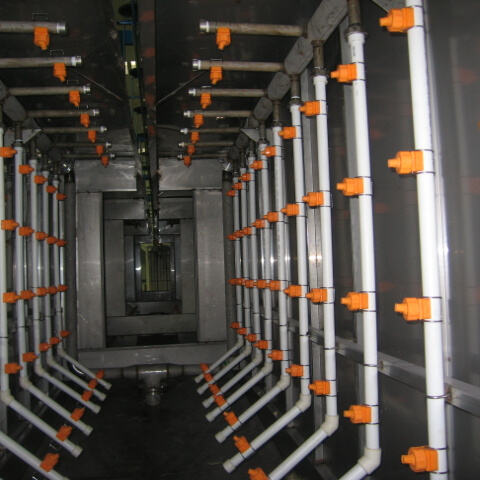
Core layout principle: Coordinate workflow, space, and powder coating production line functions.
Linear, U-shaped, and modular process patterns – advantages, limitations, and application suitability
Choosing the right process layout is crucial for efficient work completion and subsequent large-scale production. A linear layout allows for short material movement, ideal for mass production of standard products, but it falls short if products require significant changes. A U-shaped layout can reduce worker movement distances by 30% to 50%, and supervisors can focus on better monitoring the entire production process. However, this layout requires more factory space compared to other options. Modular systems connect different modules via adjustable conveyor belts for quick adjustments when special orders arrive. Of course, this layout requires more initial planning and investment. For most manufacturers, choosing a layout based on daily production targets is wise: a linear layout is suitable for automotive manufacturing with daily output exceeding 1000 units; a U-shaped layout is better for medium-sized assembly work; and a modular layout is often most effective for factories with frequent batch changes.
Zoning strategy: Integrating pretreatment, spraying, and curing into a unified powder coating production line.
Effective zoning prevents cross-contamination and thermal interference while streamlining workflows. Specific areas are divided into:
- Pretreatment (cleaning/phosphating): Located near the loading and unloading terminal, equipped with a drainage system and chemical sealing devices.
- Application : Enclosed negative pressure spray booth, physically isolated from the curing area to avoid powder contamination.
- Curing oven : Located downstream, it has a buffer zone to prevent heat loss to the spraying area.
A leading automotive supplier achieved a 22% increase in productivity and reduced the travel distance of each part by 40 feet by centralizing the pretreatment and curing processes in a U-shaped arrangement around a central paint booth. This ensured that all areas met OSHA spacing requirements: at least 10 feet of clearance between the oven and the paint area to reduce fire risk.
Scalable Device Integration: System Selection and Positioning for Future Growth
Configuration of batch to hybrid automated powder coating production lines
Moving away from old fashioned batch systems toward something halfway between manual and fully automated makes sense for most manufacturers these days. Batch setups work okay when production volumes are low, but they really struggle when orders suddenly increase. The hybrid approach combines automatic conveyor belts for loading with areas where workers still handle the unloading part. This mix typically increases output somewhere around 30 to maybe even 50 percent without losing too much flexibility in the process. Plants that have made this switch report cutting down their changeover times by about forty percent over what was possible with completely manual methods. Before making any major investments though, there are several important factors worth thinking about first.
- Automation compatibility: Ensure pretreatment spray systems interface seamlessly with robotic applicators
- Throughput alignment: Match conveyor speed (e.g., 8–12 fpm) to curing oven capacity
- Upgrade pathways: Select controllers supporting PLC expansions for future robotics integration
Modular Footprint Planning: Matching Equipment Layout to Facility Dimensions and Racking Strategy
When it comes to scaling operations, the layout of equipment matters a lot. Modular setups work best because they can fit into different spaces and adapt to how things get stored and moved around. Small facilities, especially those below 15,000 square feet, benefit greatly from stacking curing ovens vertically right above where pretreatment happens. This simple arrangement frees up about 30% of valuable floor space that would otherwise go unused. Smart design choices matter too. Good layouts place loading areas no more than 20 feet away from storage spots, which cuts down on wasted time during transfers. Facility managers should keep an eye on several important factors when planning these systems.
| Consideration | Small Facility (<10k sq ft) | Large Facility (>30k sq ft) |
|---|---|---|
| Conveyor clearance | 18-inch aisles | 36-inch maintenance lanes |
| Future expansion buffer | 15% wall offset | Dedicated utility corridors |
| Rack integration | Mobile cart systems | Overhead monorail transfers |
Optimized layouts reduce material handling costs by $18/ton while accommodating 20% capacity growth without reconfiguration. Always verify structural load limits before vertical stacking—industrial mezzanines typically support 250–500 lb/sq ft.
Real-World Validation: How a 12,000-sq-ft Automotive Component Plant Achieved 22% Throughput Gain
A mid-sized automotive parts company encountered serious problems when building a new powder coating production line. They frequently experienced inconsistent curing times for parts, and delays also occurred during parts transfer. The final solution involved several key adjustments to the production line layout. First, they rearranged the pretreatment area to allow multiple parts to be processed simultaneously, instead of one after another. Then, they added automation systems to enable automatic transfer of parts between different curing stages. Finally, they completely overhauled the loading and unloading platforms to allow for continuous material flow instead of frequent stops and starts. These improvements reduced wasted labor time by nearly 40% and saved approximately 210 feet of travel distance per part. Six months later, production records showed a 22% increase in output, while the plant area remained exactly the same. This demonstrates that sometimes simply changing the way equipment is placed and how materials flow can significantly improve production efficiency without incurring excessive expansion costs.
Frequently Asked Questions
What are the advantages and disadvantages of a U-shaped layout in manufacturing?
U-shaped layouts can reduce worker movement by 30-50% and offer better management. However, they typically require a larger footprint compared to other layouts.
How can modular design benefit small manufacturing businesses?
Their modular design allows for flexibility and can be adjusted to suit different space constraints. They enable efficient equipment layouts, making better use of limited space, and are especially suitable for facilities smaller than 15,000 square feet.
Why is powder coating shifting from intermittent systems to hybrid automated configurations?
Hybrid automation systems combine automation with manual operation to improve production efficiency. Compared to fully manual operation, this approach can increase output by 30% to 50% and reduce changeover time by approximately 40%.
What factors need to be considered when integrating scalable devices?
Ensure automation is compatible with existing systems, match conveyor belt speed to curing oven capacity, and select controllers that support future robot integration to promote scalability.
Table of Contents
- Core layout principle: Coordinate workflow, space, and powder coating production line functions.
- Scalable Device Integration: System Selection and Positioning for Future Growth
- Real-World Validation: How a 12,000-sq-ft Automotive Component Plant Achieved 22% Throughput Gain
-
Frequently Asked Questions
- What are the advantages and disadvantages of a U-shaped layout in manufacturing?
- How can modular design benefit small manufacturing businesses?
- Why is powder coating shifting from intermittent systems to hybrid automated configurations?
- What factors need to be considered when integrating scalable devices?