
 EN
EN
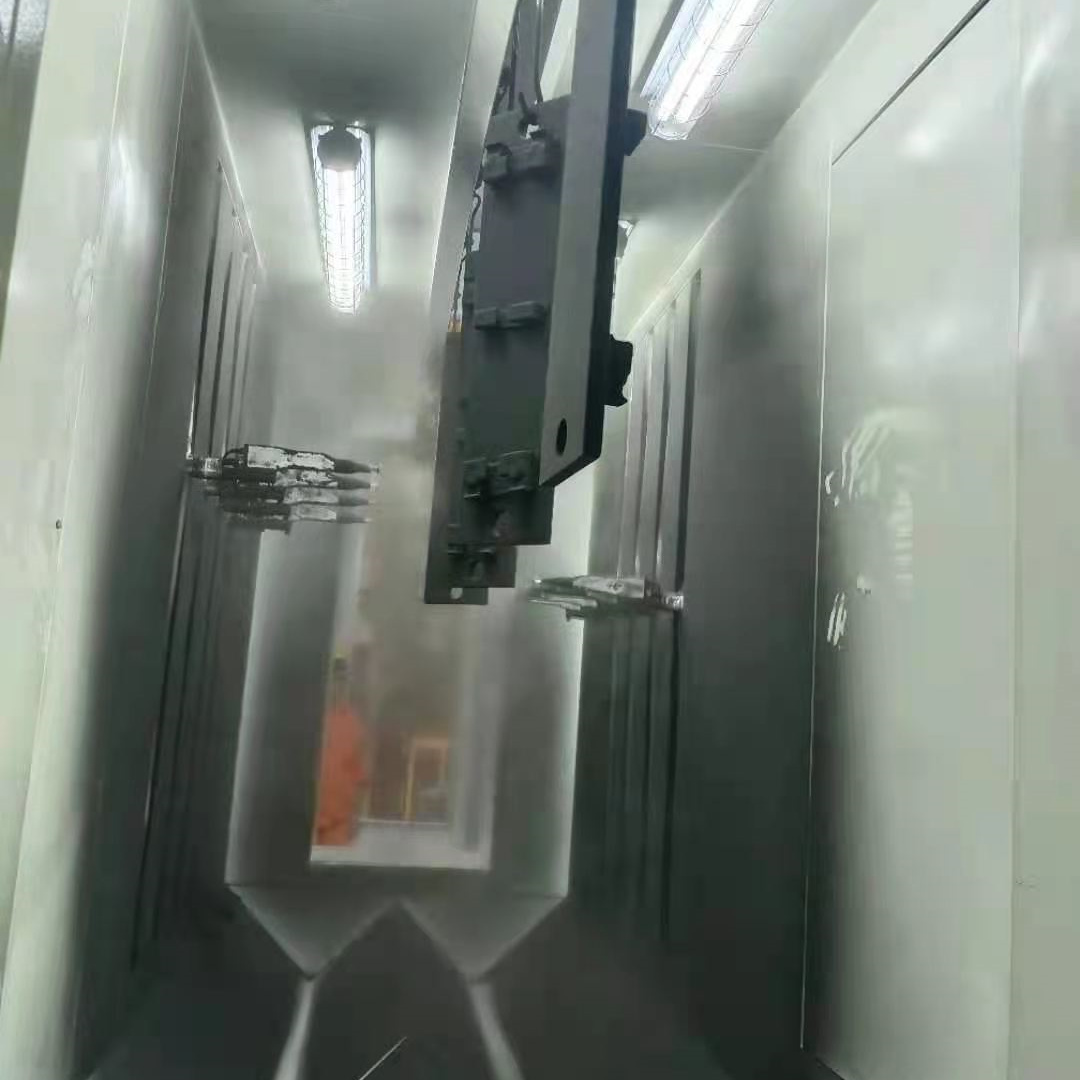
Att välja rätt transportbandkedja för applicering av beläggning är ett avgörande beslut som direkt påverkar driftseffektiviteten, produktkvaliteten och de långsiktiga underhållskostnaderna. Komplexiteten i moderna beläggningsprocesser kräver transportbandlösningar som kan hantera varierande laster, bibehålla exakt positionering och fungera tillförlitligt i utmanande miljöer där färgsprut, lösningsmedel och temperatursvängningar är vanliga. Bland de olika tillgängliga transportbandteknologierna kräver valet av den kedjekonfiguration som bäst uppfyller dina specifika krav på beläggning en noggrann analys av både driftkraven och de inbyggda möjligheterna hos olika transportbandarkitekturer.
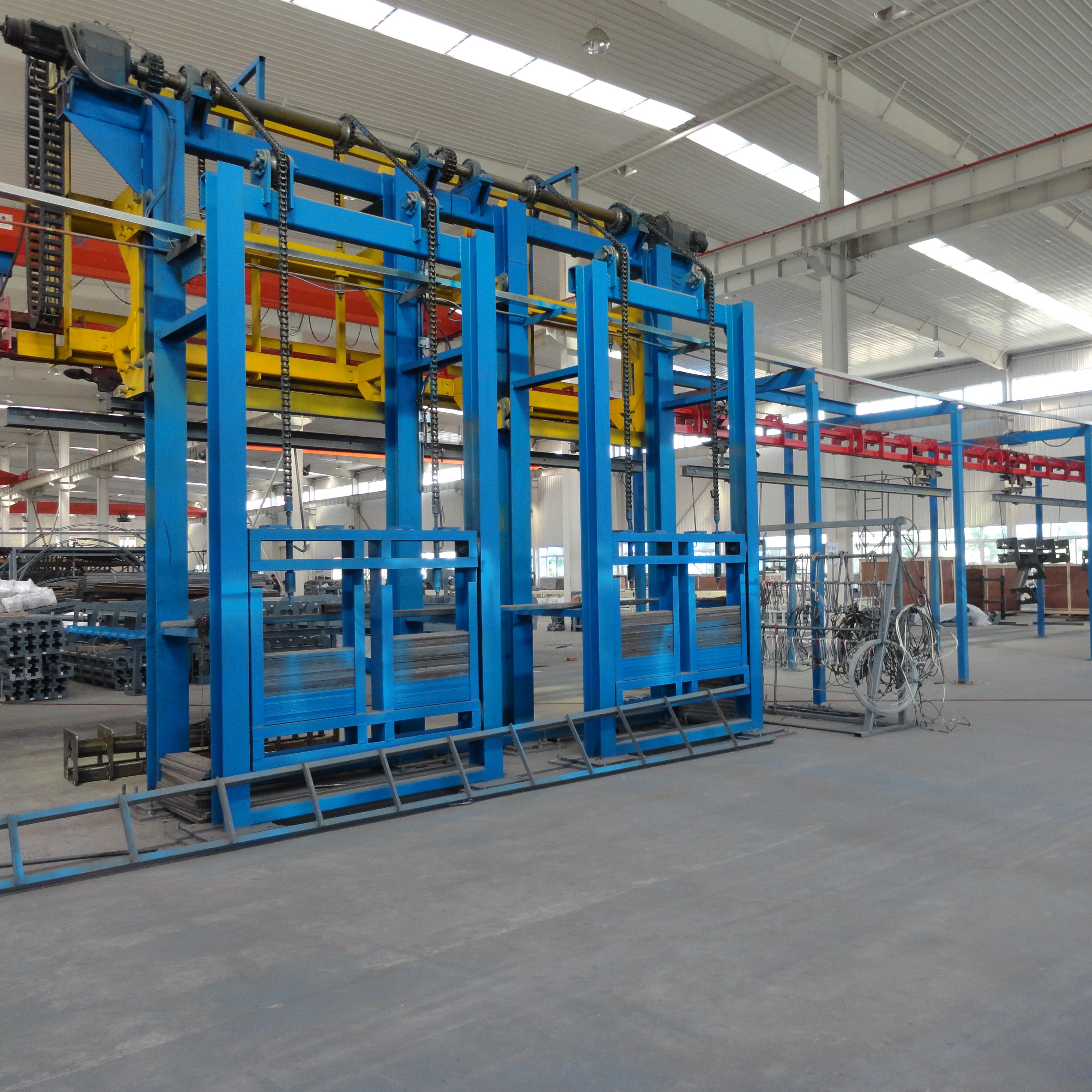
Koatningslinjeapplikationer ställer unika krav som konventionella transportsystem ofta har svårt att hantera effektivt. Behovet av flexibla ackumuleringszoner, varierande processhastigheter och möjligheten att isolera enskilda bärgare under olika koatningssteg skapar krav som går utöver vad traditionella kontinuerliga kedjesystem kan klara. kraft-och-fri-transportsystem har blivit den föredragna lösningen för många industriella koatningsoperationer just därför att dess dubbelspårsarkitektur möter dessa grundläggande driftkrav samtidigt som den erbjuder flexibiliteten att anpassas till förändrade produktionskrav utan större omkonfiguration av systemet.
Förståelse av kraven på kedjearkitektur i koatningsmiljöer
Bärkapacitet och produkters viktfördelning
Grunden för val av transportkedja är en grundlig analys av de laster som systemet måste bära under hela beläggningsprocessen. I applikationer för beläggningslinjer omfattar denna beräkning mer än bara produkternas vikt – den inkluderar även fixturerna, hängarna och den ackumulerade vikten av våta beläggningsmaterial. Ett kraft-och-fri-transportsystem separerar kraftkedjan från frikedjan, vilket gör att lastbärande element kan röra sig oberoende av drivanordningen. Denna arkitektoniska separation ger betydande fördelar vid hantering av varierande produktvikter, eftersom de fria bärlästen kan konstrueras specifikt för bärfunktion medan kraftkedjan fokuserar uteslutande på framdrivningseffektivitet.
Vid utvärdering av kedjespecifikationer måste ingenjörer ta hänsyn till både statiska och dynamiska belastningsförhållanden. Statiska belastningar representerar vikten under stationära ackumuleringsperioder, medan dynamiska belastningar inkluderar accelerationskrafter, kurvbelastningar och påverkan av nödstop. Arkitekturen för kraft- och fria transportband fördelar dessa spänningar mer effektivt än kontinuerliga kedjesystem, eftersom enskilda bärläsare kan isoleras mekaniskt, vilket förhindrar kedjereaktioner och minskar toppspänningarna längs hela kedjans längd. Denna separation av funktioner möjliggör en mer exakt konstruktion av varje komponent för dess specifika driftcykel i stället för att överdimensionera en enda kedja för att hantera alla driftscenarier.
Miljömotstånd och materialval
Beläggningsmiljöer utsätter transportbandkedjor för aggressiva kemikalier, termisk cykling och föroreningar som snabbt kan försämra olämpliga material. Färgsprutning skapar klibbiga avlagringar som kan fastna i kedjans rörelsefogar, medan lösningsmedel angriper elastomera tätningar och vissa metallbeläggningar. Valet av kedjematerial måste därför prioritera kemisk motstånd, lätt rengörbarhet och motstånd mot fästning av beläggning. Många installationer av kraft- och fria transportband använder härdade stålkedjor med specialbehandlingar av ytan som motverkar färgfästning och underlättar rutinmässig rengöring utan att kräva fullständig systemavstängning.
Temperaturvariationer under beläggningsprocessen förvärrar ytterligare valet av material. Förbehandlingszoner kan innebära höjda temperaturer, medan uttorkningsområden och härdugnar utsätter kedjor för långvarig termisk påverkan. Utvidgningskoefficienten blir avgörande i dessa tillämpningar, eftersom förändringar i kedjans steglängd kan påverka ingreppet med drivmekanismerna och spårningsnoggrannheten. Avancerade kraft- och fri-konvektorssystem är utformade med expansionskompensationsmekanismer och använder kedjmaterial med termisk stabilitet som är anpassat till den specifika temperaturprofilen i beläggningslinjen. Denna uppmärksamhet på termiskt beteende förhindrar klibbning, minskar slitage och säkerställer positionsnoggrannhet över hela temperaturområdet som uppstår under normal drift.
Underhållsåtkomlighet och smörjningskrav
Den långsiktiga livskraften för val av någon transportbandkedja beror i hög grad på de praktiska förhållandena avseende underhållstilgänglighet och smörjningshantering. Smörjningsmiljöer skapar särskilt utmanande förhållanden för konventionella smörjningssystem, eftersom smörjmedel kan attrahera luftburna beläggningspartiklar och orsaka föroreningsproblem som påverkar både kedjans prestanda och produktens kvalitet. Konstruktionen av kraft- och fria transportbandsystem inkluderar ofta inneslutna spåravsnitt som skyddar kritiska kedjekomponenter mot direkt exponering för beläggningsöversprutning samtidigt som nödvändig smörjning bibehålls. Detta skydd minskar underhållsfrekvensen och förhindrar beläggningsföroreningar som kan försämra ytans kvalitet.
Underhållsåtkomlighet i beläggningslinjer måste ta hänsyn till den nära integrationen av transportbandssystem med sprütbåsar, ugnar och annan processutrustning. Vid val av kedja bör man föredra konstruktioner som möjliggör sektionsvis utbyte och underhåll utan att kräva omfattande demontering av omgivande utrustning. Den modulära karaktären hos kraft- och fria transportbandssystem uppfyller detta krav, eftersom enskilda bansektioner och bärramsenheter vanligtvis kan underhållas oberoende av varandra. Denna modularitet minskar planerad underhållsstilleståndstid och möjliggör snabb reaktion vid oväntade fel, vilket bevarar produktionsschemat och minimerar påverkan av komponentslitage på den totala drifttillgängligheten.
Driftflexibilitet och faktorer för processintegration
Hastighetsvariation och hantering av ackumuleringszoner
Moderna beläggningsoperationer kräver exakt kontroll över produkternas uppehållstid i olika processzoner, vilket kräver transportbandssystem som kan variera farten dynamiskt och skapa ackumuleringsbuffertar mellan processsteg. Traditionella kontinuerliga kedjeband har svårt att uppfylla dessa krav eftersom alla bärande element rör sig med samma fart, vilket leder till en stel processplanering. Kraft-och-fritt-bandsystemet förändrar grundläggande denna begränsning genom att tillåta enskilda bärande element att kopplas in och ur från kraftkedjan, vilket möjliggör selektiv ackumulering och oberoende hastighetskontroll för olika processzoner inom ett enda integrerat system.
Denna funktion för selektiv inkoppling visar sig särskilt värdefull vid samordning av beläggningsapplikationen med härdningskapaciteten. Om ugnens kapacitet nedströms tillfälligt begränsar genomflödet kan transportbärare ackumuleras i avsedda buffertzoner utan att påverka förbehandlingsoperationerna uppströms. Kedjans urval måste därför stödja pålitliga mekanismer för inkoppling och urkoppling som fungerar konsekvent även i miljöer med beläggningsöversprutning och temperaturvariationer. Arkitekturen för kraft-och-fri-transportsystemet erbjuder denna funktionalitet i sig genom mekanisk tandhjulinkoppling, vilken fungerar pålitligt utan att kräva elektroniska styrningar eller sensorer som kan påverkas negativt av beläggningsmiljön.
Positionsnoggrannhet och spårningsprecision
Automatiserad utrustning för beläggningsapplikation är i allt större utsträckning beroende av exakt produktplacering för att optimera materialanvändningen och uppnå en konsekvent ytfinish. Robotbaserade applicatorer och reciproceraande sprayssystem kräver förutsägbar produktplacering inom strikta toleranser för att kunna utföra de programmerade beläggningsmönstren med hög noggrannhet. Valet av kedja påverkar direkt denna positionsnoggrannhet genom faktorer såsom stegkonsekvens, slitageegenskaper och motstånd mot sidledsutböjning. Kraft-och-fri-transportsystemet upprätthåller överlägsen spårningsprecision eftersom de fria bärlämnarna rör sig längs dedicerade guidspår som begränsar sidledsrörelse, medan kraftkedjan tillhandahåller framdrivning utan att utöva styrkrafter på produktbärlämnarna.
Stabiliteten i vertikal position är lika viktig, särskilt i applikationer där beläggningsutrustning måste bibehålla specifika avstånd från produktens yta. Kedjesystem som visar betydande vertikal förskjutning under varierande laster skapar utmaningar för automatiserade beläggningsprocesser och kan potentiellt leda till variationer i filmtjocklek samt ytskador. Kraft-och-fri-konvektorsystemet löser detta problem genom bärdarkonstruktioner som ger styv vertikal stöd oberoende av spännvariationer i kraftkedjan. Denna separation mellan laststöd och framdrivningsfunktioner säkerställer en konstant produkt höjd under hela processen, vilket möjliggör exakt kalibrering av automatiserad beläggningsutrustning och förbättrar den totala ytkvaliteten.
Integration med automatiserade styrsystem
Utvecklingen mot industrins 4.0-tillverkningsmetoder ställer ökade krav på transportbänder som integrerar sömlöst med automations- och datainsamlingsinfrastrukturen för hela anläggningen. Väljandet av kedja måste därför ta hänsyn till inte bara mekanisk prestanda, utan också hur lätt det är att integrera positionssensorer, spårning och insamling av processdata. Kraft- och fria transportbandssystemet uppfyller naturligt dessa krav, eftersom punkterna för bägares inkoppling och urkoppling ger diskreta platser för integration av sensorer utan att kräva kontinuerlig övervakning längs hela kedjans längd.
Modernare beläggningslinjer använder i allt större utsträckning tillverkningsexekutionssystem (MES) som spårar enskilda produkter genom varje processsteg, kopplar samman beläggningsparametrar med kvalitetsresultat och möjliggör snabb rotorsaksanalys vid fel. Konstruktionen av transportkedjan måste stödja pålitlig identifiering av produkter och positionsspårning under hela beläggningsprocessen. Ett kraft-och-fri-kedjesystem möjliggör detta spårning genom användning av enskilda bärlinor som kan identifieras unikt och övervakas när de förflyttas genom systemet. Denna spårning på bärlivå ger detaljerad processdata som kontinuerliga kedjesystem inte lätt kan återge, vilket möjliggör mer sofistikerade strategier för kvalitetsstyrning och processoptimering.
Utformningsöverväganden för flerstegsbeläggningsprocesser
Övergångar mellan processzoner och hastighetsanpassning
Komplexa beläggningsprocesser innebär vanligtvis flera behandlingssteg, var och en med olika optimala transportbandshastigheter och krav på uppehållstid. Övergången mellan dessa zoner skapar tekniska utmaningar som kedjval måste ta hänsyn till. Förbehandling genom tvätt kan kräva låga hastigheter för att säkerställa tillräcklig kemisk exponering, medan avdunstningszoner drar nytta av kontinuerlig rörelse för att främja lösningsmedelsavdunstning. Kraft- och fria transportbandsystemet är särskilt lämpligt för dessa applikationer med flera hastigheter eftersom olika kraftkedjor kan drivas med oberoende reglerade hastigheter, och transportbärare överförs mellan zoner via mekaniska växlingsmekanismer som inte kräver elektronisk samordning.
Denna flerhastighetsfunktion eliminerar kompromissen som är inbyggd i enfartssystem, där processens tidsstyrning begränsas av den långsammaste nödvändiga fasen. Genom att optimera hastigheten oberoende för varje zon förbättras den totala processens effektivitet samtidigt som den nödvändiga verkanstiden för varje behandlingssteg bibehålls. Kedjans utformning måste stödja dessa överföringsmekanismer och kräver en exakt ingreppsgemetri samt konsekvent mekanisk drift under tusentals överföringscykler. Kraft- och fria transportbandssystemet har bevisat denna funktion under flera decennier av användning i beläggningslinjer, med överföringsmekanismer som bibehåller pålitlighet även i de utmanande miljöförhållandena som är typiska för industriella beläggningsoperationer.
Vertikala och lutande avsnitt
Många layouter för beläggningslinjer inkluderar vertikala lyft eller lutande avsnitt för att effektivt utnyttja golvytan eller underlätta avrinning och eliminering av dropp mellan processsteg. Kedjval för dessa avsnitt måste ta hänsyn till den extra spänningen som uppstår vid lyft av laster mot gravitationen, samtidigt som man säkerställer smidig och kontrollerad rörelse för att förhindra att produkter svänger eller att fästutrustning skadas. Kraft-och-fri-transportsystemet hanterar vertikala avsnitt genom specialdesignade lyftmekanismer som engagerar transportbärare på marknivå och transporterar dem vertikalt innan de släpps loss för att fortsätta längs horisontella spåravsnitt på högre nivå.
Dessa vertikala övergångar kräver noggrann kedjekonstruktion för att förhindra att transportbäraren rullar tillbaka vid inkoppling och urkoppling, samtidigt som en jämn acceleration bibehålls för att undvika skador på produkten. Separationen av kraftöverförings- och bärfunktioner i kraft- och fri-konvektorssystemet gör att lyssmekanismen kan optimeras specifikt för vertikal transport utan att kompromissa med den horisontella banans design. Denna specialiserade konstruktion ger mer pålitlig vertikal transport än att försöka anpassa kontinuerliga kedjesystem till vertikal drift, där en enda kedja måste hantera framdrivning, laststöd och vertikala lyfkrafter samtidigt.
Returloopkonfiguration och utnyttjande av golvarea
Den fysiska layouten av beläggningslinjer stöter ofta på begränsningar från befintliga byggnadsstrukturer, vilket kräver kreativa lösningar för att dirigera transportbanden inom det tillgängliga utrymmet. Återvägen för tomma bärlådor utgör en betydande del av systemets totala yta, och valet av kedja påverkar den flexibilitet som finns tillgänglig vid konfigurering av denna återväg. Ett kraft-och-fritt transportbandsystem erbjuder exceptionell layoutflexibilitet eftersom tomma bärlådor kan följa återvägar helt oberoende av den drivna processbanan. Denna separation gör det möjligt för återloopar att navigera runt hinder, utnyttja tillgängligt vertikalt utrymme och minimera systemets totala yta utan att påverka routningen av processbanan.
Den kedjearkitektur som väljs för returloopar kan skilja sig från processbanans specifikationer eftersom de driftsmässiga kraven är fundamentalt olika. Retursektioner transporterar endast tomma fästpunkter utan exponering för beläggningsmaterial, vilket möjliggör förenklade kedjeutformningar och minskade investeringar i dessa delar av systemet. Kraft-och-fri-transportsystemet utnyttjar denna skillnad genom gravitationsbaserade retursektioner där det är praktiskt möjligt, vilket helt eliminerar drivmekanismer för delar av returloopen och minskar både kapitalkostnader och pågående energiförbrukning. Denna arkitektoniska flexibilitet i utformningen av returloopar utgör en betydande fördel jämfört med kontinuerliga kedjesystem, där samma kedjeutformning måste användas hela vägen runt loopen.
Ekonomiska faktorer vid val av kedja
Inledande investering och systemkomplexitet
Den ekonomiska analysen av val av transportbandkedja sträcker sig längre än enkla komponentkostnader och omfattar även installationskomplexiteten, nödvändiga ändringar av infrastrukturen samt tidsramen från design till produktionsklarhet. Ett kraft-och-fritt transportbandsystem kräver vanligtvis en högre initial investering än enklare kontinuerliga kedjalternativ, vilket speglar den sofistikerade konstruktionen och de precisionskomponenter som krävs för pålitliga kopplingsmekanismer och flerhastighetsdrift. Denna investeringsjämförelse måste dock ta hänsyn till de driftsfunktioner som möjliggörs av den mer avancerade systemarkitekturen.
När beläggningsprocesser kräver ackumulering, variabla hastighetszoner eller flexibilitet att ändra processens tidsinställning utan större omkonfigurering av systemet, visar den successiva investeringen i ett kraft- och fria transportbändsystem ofta sig ekonomiskt motiverad. Alternativet att implementera dessa funktioner genom flera oberoende transportband anslutna med manuella eller automatiserade överföringsmekanismer leder vanligtvis till högre total installerad kostnad samtidigt som ytterligare felkällor och komplexitet introduceras. Den ekonomiska analysen bör därför fokusera på kostnad justerad efter funktioner snarare än en enkel jämförelse av komponentpriser, och utvärdera vilken systemarkitektur som ger den erforderliga driftsflexibiliteten till lägsta totala ägarkostnad.
Driftkostnad och energieffektivitet
Långsiktiga driftkostnader utgör en betydande del av den totala ägarkostnaden för transportbandssystem, där energiförbrukningen utgör en stor del av dessa återkommande kostnader. Arkitekturen för power-and-free-transportbandssystem erbjuder potentiella energifördelar genom möjligheten att stänga av sektioner av banan när ackumuleringszoner är fulla eller när produktionsvolymerna tillåter minskad kapacitet. Denna funktion för sektionsvis styrning gör det möjligt för systemet att förbruka energi i proportion till den faktiska produktionsförfrågan, snarare än att driva hela transportbandet kontinuerligt oavsett belastning.
Åtskillnaden mellan kraftöverföring och bärfunktion möjliggör också energioptimering genom att minska den rörliga massan som måste accelereras och decelereras kontinuerligt. I kontinuerliga kedjesystem är hela kedjan i rörelse även när de flesta bärlådorna är tomma, vilket slösar bort energi på att föra kedjans egen massa. I kraft-och-fri-konvektorsystemet förs endast kraftkedjan kontinuerligt, medan fria bärlådor står stilla när de inte är inkopplade, vilket minskar den totala kinetiska energin som måste upprätthållas. Under den flerdecenniella driftstiden som är typisk för industriella beläggningslinjer kan denna energieffektivitet innebära betydande besparingar i driftkostnader, vilket kan kompensera för den högre initiala investeringen och påverka den ekonomiska optimeringen av valet av kedja.
Underhållskostnad och drifttillgänglighet
De pågående underhållskraven och de tillhörande kostnaderna utgör avgörande faktorer i den ekonomiska analysen av val av transportbandkedja. Beläggningssystem förkortar kedjans livslängd genom exponering för kemikalier, beläggningsmaterial och föroreningar, vilket kräver regelbunden inspektion, rengöring och utbyte av komponenter. Designen av kraft- och fria transportbandsystem minskar ofta underhållskostnaderna jämfört med kontinuerliga kedjesystem, eftersom funktionerna är åtskilda, vilket möjliggör målrikt underhåll av specifika komponenter istället för att hela kedjans längd måste undersökas samtidigt.
Drifttillgänglighet påverkar direkt produktionskapaciteten och intäktsgenereringen, vilket gör systemets tillförlitlighet till en avgörande ekonomisk faktor. Oplanerad driftstopp i beläggningslinjer orsakar särskilt allvarliga ekonomiska konsekvenser eftersom processens integrerade karaktär innebär att transportbändsfel stoppar hela verksamheten, inte bara en enskild arbetsplats. Arkitekturen för kraft- och fria transportbandssystem stödjer högre tillgänglighet genom sitt modulära utformning och möjligheten till redundans. Enskilda bärfel kan isoleras utan att hela systemet måste stannas, och redundanta drivmekanismer kan integreras i kritiska sektioner. Denna fördel vad gäller tillgänglighet översätts direkt till ökad produktionskapacitet och minskade förlorade intäkter från oplanerade avbrott, vilket ger ekonomisk värde som måste beaktas vid valet av transportband tillsammans med direkta kostnadsjämförelser.
Vanliga frågor
Vilka är de främsta fördelarna med ett kraft- och fritt transportbänksystem jämfört med kontinuerliga kedjesystem i beläggningsapplikationer?
Kraft- och fria transportbänksystemet ger flera tydliga fördelar för applicering av beläggning. Separationen mellan kraftkedjan och de fria bärrackarna möjliggör oberoende hastighetsstyrning för olika processzoner, vilket gör att uppehållstiden kan optimeras för förbehandling, beläggningsapplikation, torkning och härdning utan att påverka den totala kapaciteten negativt. Möjligheten att ackumulera bärrackar i buffertzoner mellan processsteg ger driftflexibilitet som möjliggör anpassning till variationer i processkapacitet samt underlättar underhållsaktiviteter utan att hela systemet behöver stängas av. Dessutom säkerställer det mekaniska ingreppssystemet pålitlig drift i beläggningsmiljöer där elektroniska sensorer kan påverkas negativt av överspray eller kemisk påverkan, medan den modulära arkitekturen underlättar underhåll och utbyte av komponenter jämfört med kontinuerliga kedjedesigner.
Hur påverkar valet av kedjasteg prestandan för en beläggningslinje och vilka faktorer bör vägleda detta beslut?
Valet av kedjasteg påverkar flera kritiska prestandaparametrar i applikationer för beläggningslinjer. Kedjor med mindre steg ger smidigare drift med minskad vibration, vilket gynnar ytfinishen genom att minimera produktrörelse under beläggningsapplikationen. Kedjor med mindre steg har dock vanligtvis lägre lastkapacitet per längdenhet och kan kräva mer regelbunden underhåll på grund av högre artikulationsfrekvens. Beslutet bör balansera dessa faktorer utifrån produktens vikt, den krävda positionsnoggrannheten och de fysiska begränsningarna i anläggningens layout. För installationer av kraft- och fria transportband kan steglängden för kraftkedjan och avståndet mellan fria bärlinor optimeras oberoende av varandra, vilket gör att kraftkedjan kan använda ett steg som är anpassat för drifteffektivitet samtidigt som avståndet mellan bärlinor anpassas efter produktflödeskraven i beläggningsprocessen.
Vilka underhållsåtgärder är avgörande för att maximera kedjans livslängd i beläggningsmiljöer?
Att underhålla transportbandkedjor i beläggningsmiljöer kräver disciplinerad uppmärksamhet på flera nyckelpraktiker. Regelmässig rengöring för att ta bort ackumulerad beläggningsöverspray förhindrar avlagringar som kan låsa lederna och accelerera slitage. Denna rengöring bör utföras enligt ett schema som bestäms av de specifika beläggningsmaterialen och appliceringshastigheterna, vanligtvis med intervall från veckovis till månadsvis beroende på förhållandena. Smörjningshanteringen måste balansera behovet av att minska friktion och slitage mot risken att dra till sig luftburna beläggningspartiklar. Många framgångsrika verksamheter använder minimala smörjningsstrategier med högpresterande syntetiska smörjmedel som appliceras på inneslutna kedjesektioner där risken för kontaminering är minskad. Regelmässig inspektion av slitageindikatorer, korrekt kedjaspänning och justering säkerställer tidig upptäckt av pågående problem innan de leder till fel. För installationer av kraft- och fritt löpande transportbandsystem bör särskild uppmärksamhet ägnas åt ingreppsmekanismer och överföringspunkter där mekaniskt slitage tenderar att koncentreras.
Kan befintliga kontinuerliga kedsystem uppgraderas till kraft- och fria transportbandarkitektur?
Att omvandla befintliga kontinuerliga kättingtransportörssystem till ett kraft-och-fri-transportörsystem utgör en omfattande modifiering som kräver noggrann ingenjörsanalys för att fastställa genomförbarhet och kostnadseffektivitet. De grundläggande arkitektoniska skillnaderna mellan dessa system kräver vanligtvis betydande ändringar av spårets konstruktion, drivmekanismer och styrsystem. I de flesta fall kan den befintliga transportörens bärande konstruktion och byggnadsanslutning återanvändas, men själva transportörskomponenterna måste ersättas helt. Beslutet att genomföra en sådan omvandling bör grundas på en ingående analys av de operativa fördelar som uppnås genom den förbättrade flexibiliteten och kapaciteten hos kraft-och-fri-transportörsystemet jämfört med den investering som krävs. För anläggningar som står inför kapacitetsbegränsningar eller kvalitetsproblem som kan spåras tillbaka till begränsningarna i transportören kan omvandlingen visa sig ekonomiskt motiverad trots den omfattande investeringen, särskilt om den genomförs under planerade anläggningsuppdateringar eller utvidgningar av produktionslinjer som i alla fall kräver ändringar av transportören oavsett vilken teknik som väljs.
Innehållsförteckning
- Förståelse av kraven på kedjearkitektur i koatningsmiljöer
- Driftflexibilitet och faktorer för processintegration
- Utformningsöverväganden för flerstegsbeläggningsprocesser
- Ekonomiska faktorer vid val av kedja
-
Vanliga frågor
- Vilka är de främsta fördelarna med ett kraft- och fritt transportbänksystem jämfört med kontinuerliga kedjesystem i beläggningsapplikationer?
- Hur påverkar valet av kedjasteg prestandan för en beläggningslinje och vilka faktorer bör vägleda detta beslut?
- Vilka underhållsåtgärder är avgörande för att maximera kedjans livslängd i beläggningsmiljöer?
- Kan befintliga kontinuerliga kedsystem uppgraderas till kraft- och fria transportbandarkitektur?