
 EN
EN
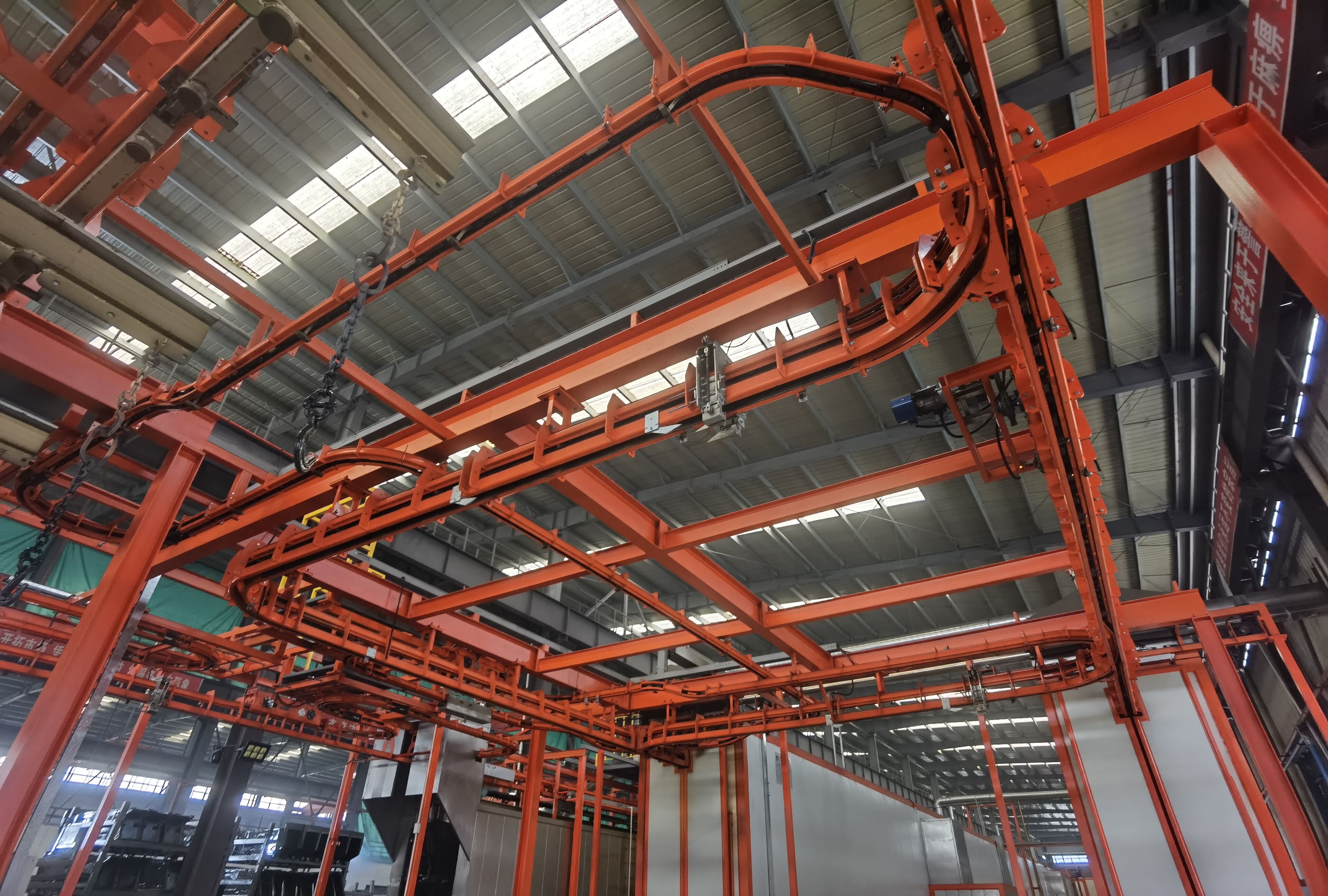
Selecting the right conveyor configuration for coating and painting lines represents one of the most critical infrastructure decisions in industrial finishing operations. The choice between overhead conveyor systems and floor-mounted alternatives directly impacts production efficiency, spatial utilization, coating quality, and long-term operational costs. For manufacturers evaluating coating line installations or upgrades, understanding the fundamental differences between these two conveyor architectures is essential for making informed capital investment decisions that align with production requirements, facility constraints, and quality objectives.
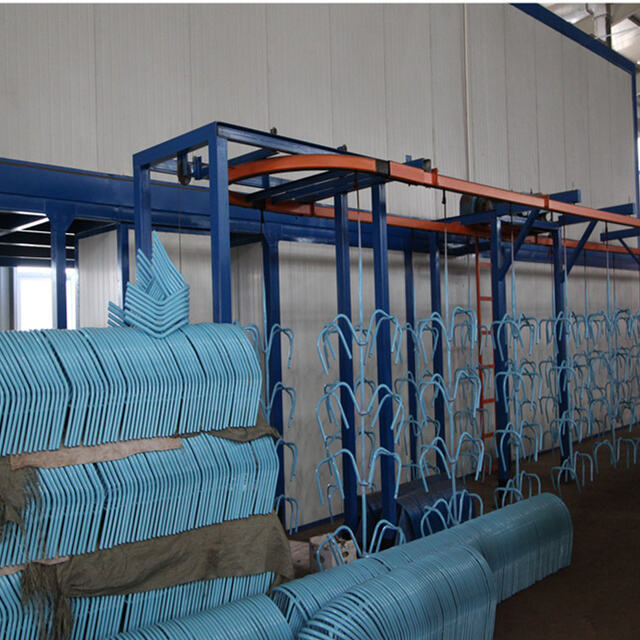
The distinction between overhead and floor conveyor systems extends beyond simple mounting position. Each configuration offers unique advantages for specific coating line applications, production volumes, part geometries, and facility layouts. Overhead conveyor systems, including continuous chain configurations and power and free conveyor system architectures, suspend workpieces from above, maximizing floor space accessibility and enabling complete part exposure during finishing processes. Floor-mounted conveyors, whether skid-based or roller configurations, provide ground-level transport that simplifies loading operations but consumes valuable production floor area. This comprehensive analysis examines the operational, spatial, quality, and economic factors that differentiate these conveyor approaches in coating line environments.
Spatial Efficiency and Facility Layout Considerations
Floor Space Utilization Patterns
Overhead conveyor systems deliver superior floor space efficiency by elevating the entire transport mechanism above the production floor. This vertical architecture liberates ground-level space for ancillary equipment, maintenance access routes, material staging areas, and operator movement zones. In facilities where real estate costs are significant or expansion opportunities are limited, overhead configurations maximize production capacity within existing footprints. The power and free conveyor system particularly excels in this regard, as its dual-track design supports both continuous indexing and accumulation functions without expanding floor-level obstruction.
Floor conveyor installations, by contrast, consume substantial ground area along the entire coating line length. Skid-based systems require dedicated pathways that remain inaccessible for cross-traffic or alternative uses during production operations. This spatial commitment becomes particularly problematic in multi-process facilities where coating lines must coexist with fabrication, assembly, or packaging operations. The physical footprint extends beyond the conveyor rails themselves to include safety clearance zones, service corridors, and equipment approach paths that collectively reduce usable production space.
Vertical Integration Opportunities
The elevated nature of overhead conveyor systems enables vertical process integration that compresses coating line footprints while maintaining comprehensive treatment sequences. Multi-level installations can stack pretreatment, coating application, flash-off, and curing zones within compact facility volumes. Power and free conveyor system designs support this vertical layering through flexible track routing that transitions between elevation levels while maintaining controlled part orientation. This three-dimensional layout capability proves invaluable in facilities with height availability but limited horizontal expansion potential.
Floor-mounted conveyors inherently operate on single-plane configurations that extend coating lines horizontally across production floors. While simpler to design and install, this planar limitation results in longer linear footprints for equivalent process sequences. Facilities with low ceiling heights or structural constraints may find floor systems more accommodating, but they sacrifice the spatial compression advantages that overhead configurations deliver in high-bay environments where vertical space remains underutilized.
Part Handling and Coating Coverage Characteristics
Component Accessibility During Finishing
Overhead suspension provides exceptional part accessibility for coating application equipment. Workpieces suspended from above expose all bottom surfaces, sides, and complex geometries to spray guns, powder application systems, or dip tank immersion without obstruction from support structures. This complete exposure eliminates shadow zones that plague floor-mounted parts resting on skids or carriers, where coating material cannot reach surfaces in contact with support fixtures. The power and free conveyor system enhances this advantage through programmable stop positions that orient parts optimally for multi-angle application sequences.
The superior accessibility translates directly to coating quality improvements, particularly for complex geometries with recessed features, internal cavities, or intricate surface contours. Automotive components, fabricated assemblies, and architectural elements benefit substantially from overhead suspension that permits thorough coverage without repositioning or secondary coating passes. Manufacturers processing parts with critical corrosion protection requirements or aesthetic finish standards find overhead configurations essential for achieving specification compliance.
Fixture Design and Part Orientation Control
Overhead conveyor systems utilize hanging fixtures specifically engineered for each part family. These tooling assemblies grip components at non-critical surfaces, maintaining consistent orientation throughout pretreatment, coating, and curing zones. Advanced power and free conveyor system installations incorporate programmable carriers that adjust part angles during process sequences, optimizing drainage angles during chemical pretreatment and exposure angles during application stages. This dynamic orientation capability supports complex finishing protocols without manual intervention.
Floor conveyor installations employ skids, pallets, or roller-supported fixtures that contact parts at bottom surfaces. This support methodology inherently creates uncoated contact zones requiring post-process touch-up or secondary coating operations. While fixture costs for floor systems may be lower due to simpler designs, the coating quality compromises and additional labor for touch-up work frequently offset initial tooling savings. For high-value components or applications where complete coating coverage is mandatory, floor conveyor limitations become prohibitive.
Process Control and Production Flexibility
Speed Variation and Accumulation Capabilities
The power and free conveyor system architecture delivers unmatched production flexibility through independent carrier control. Unlike continuous chain conveyors that move all workpieces at uniform speeds, power and free configurations allow individual carriers to stop, accumulate, or advance at variable rates. This capability enables process zone dwell time optimization, where parts requiring extended flash-off periods accumulate while others advance to curing ovens. Production scheduling becomes more responsive to mixed part runs with varying process requirements.
Floor conveyor systems typically operate as continuous or indexed mechanisms with limited accumulation functionality. Skid-based installations may incorporate buffer zones through expanded track sections, but these solutions lack the dynamic control that power and free conveyor system designs provide. When coating lines process diverse product mixes with different size classes, cure schedules, or quality inspection requirements, floor conveyor rigidity constrains throughput optimization and increases work-in-process inventory levels.
Maintenance Access and Contamination Control
Overhead conveyor installations elevate mechanical components above coating application zones, reducing contamination exposure from overspray, chemical mists, and particulate generation. Chain systems, drive mechanisms, and carrier assemblies remain accessible for maintenance without entering active coating environments. This separation improves system reliability while simplifying cleaning protocols that prevent coating defects from accumulated contamination. Regular maintenance intervals extend when critical wear components operate in cleaner atmospheric conditions.
Floor-mounted conveyors position mechanical elements directly within coating zone atmospheres where overspray accumulation, chemical exposure, and particulate contamination accelerate wear patterns. Rails, bearings, and drive components require frequent cleaning and more aggressive maintenance schedules to sustain performance standards. The proximity to coating operations also complicates maintenance access, often requiring production stoppages for service activities that overhead systems accommodate during normal operation through elevated work platforms and service catwalks.
Investment Economics and Operational Cost Structures
Capital Installation Requirements
Initial capital expenditure for overhead conveyor systems typically exceeds floor-mounted alternatives due to structural support requirements, elevated installation complexity, and specialized engineering. Building modifications to accommodate overhead track systems, support columns, and load distribution frameworks add significant costs to greenfield installations or facility retrofits. Power and free conveyor system implementations represent premium investments within the overhead category, justified by their operational advantages in high-mix production environments requiring maximum flexibility.
Floor conveyor installations generally present lower initial costs through simplified mounting, reduced structural demands, and faster implementation timelines. Standard skid systems or roller conveyors utilize catalog components with minimal customization, accelerating project completion and reducing engineering expenses. For facilities with budget constraints or coating lines dedicated to narrow product ranges with consistent processing requirements, floor systems deliver functional transport at accessible price points that support faster return-on-investment calculations.
Long-Term Operating Cost Factors
Operating cost analysis must extend beyond purchase price to encompass energy consumption, maintenance labor, coating material efficiency, and quality-related expenses. Overhead systems typically demonstrate superior coating material utilization through better part accessibility that minimizes overspray waste and reduces touch-up requirements. The power and free conveyor system further optimizes material usage through precise process control that matches dwell times to coating requirements, preventing excessive application that wastes expensive finishing materials.
Floor conveyor operations frequently incur higher coating material costs from increased overspray rates, elevated touch-up labor, and rejected parts due to inadequate coverage. Energy consumption patterns also differ, with overhead systems potentially requiring more power for vertical lifting but recovering efficiency through reduced maintenance downtime and improved production throughput. Comprehensive lifecycle cost modeling that accounts for productivity differences, quality yield rates, and maintenance intensity typically favors overhead configurations for medium to high-volume coating operations despite higher initial investments.
Application Suitability and Selection Criteria
Production Volume and Part Characteristics
High-volume coating operations processing consistent part families with demanding quality standards overwhelmingly favor overhead conveyor architectures. Automotive finishing lines, appliance coating facilities, and metal furniture manufacturers utilize power and free conveyor system designs to achieve the throughput rates and quality consistency that competitive markets demand. The investment premium for overhead systems amortizes rapidly across large production volumes where coating quality, material efficiency, and floor space optimization deliver compounding economic advantages.
Low-volume job shops, prototype finishing operations, or facilities coating oversized components may find floor conveyor systems more appropriate. When production runs involve frequent changeovers, widely varying part geometries, or occasional coating requirements that don't justify dedicated overhead infrastructure, floor-mounted solutions provide adequate functionality at proportional costs. Agricultural equipment coating, structural steel finishing, and custom fabrication shops often successfully operate floor-based systems that match their operational scale and flexibility requirements.
Facility Infrastructure and Future Expansion
Existing facility infrastructure significantly influences conveyor selection decisions. Buildings with adequate ceiling height, structural load capacity, and overhead clearance naturally accommodate overhead installations with minimal modification. Modern manufacturing facilities designed with coating line installations in mind typically incorporate structural provisions for overhead conveyor systems during initial construction. The power and free conveyor system becomes particularly attractive when facility design supports future expansion through modular track extensions and additional process zone integration.
Facilities with low ceilings, weight-restricted roof structures, or buildings never intended for industrial coating operations may find floor conveyor systems the only viable option without prohibitive structural reinforcement. Temporary coating operations, leased facilities, or installations with uncertain long-term requirements benefit from floor system portability and reduced building commitment. Understanding facility constraints and growth projections ensures conveyor selection aligns with both immediate operational needs and strategic business development plans.
FAQ
What are the primary advantages of overhead conveyors compared to floor systems in coating applications?
Overhead conveyor systems provide superior floor space efficiency, complete part accessibility for coating application, elimination of bottom-surface contact points that create uncoated zones, and reduced contamination of mechanical components from coating overspray. The power and free conveyor system specifically adds production flexibility through independent carrier control, accumulation capabilities, and programmable process sequencing that optimizes coating quality and throughput for mixed production runs.
When would a floor conveyor be more suitable than an overhead system for a coating line?
Floor conveyor systems prove more suitable for low-volume operations, facilities with structural limitations preventing overhead installations, applications involving extremely heavy or oversized components that exceed overhead system capacity, and coating lines requiring frequent reconfiguration or temporary installations. Budget-constrained projects with simple coating requirements and consistent part geometries may also find floor systems adequate despite their operational limitations compared to overhead alternatives.
How does the power and free conveyor system differ from standard overhead chain conveyors?
The power and free conveyor system utilizes dual-track architecture where a continuously moving power chain propels free-running carriers that can disengage from the drive mechanism to stop, accumulate, or advance independently. This design enables variable speed operation, strategic accumulation at process zones, and optimized dwell times for different part requirements within the same production line. Standard overhead chain conveyors move all carriers at uniform speeds without independent control, limiting process flexibility and production responsiveness to mixed part schedules.
What maintenance considerations differentiate overhead and floor conveyor systems in coating environments?
Overhead conveyor systems position mechanical components above coating zones, reducing contamination exposure and extending maintenance intervals through cleaner operating conditions. Maintenance access occurs via elevated platforms without disrupting production floor activities. Floor conveyor systems expose drive mechanisms, rails, and bearings directly to coating overspray and chemical atmospheres, requiring more frequent cleaning, accelerated component replacement, and maintenance activities that often necessitate production interruptions due to ground-level service access requirements within active coating areas.
Table of Contents
- Spatial Efficiency and Facility Layout Considerations
- Part Handling and Coating Coverage Characteristics
- Process Control and Production Flexibility
- Investment Economics and Operational Cost Structures
- Application Suitability and Selection Criteria
-
FAQ
- What are the primary advantages of overhead conveyors compared to floor systems in coating applications?
- When would a floor conveyor be more suitable than an overhead system for a coating line?
- How does the power and free conveyor system differ from standard overhead chain conveyors?
- What maintenance considerations differentiate overhead and floor conveyor systems in coating environments?