 EN
EN
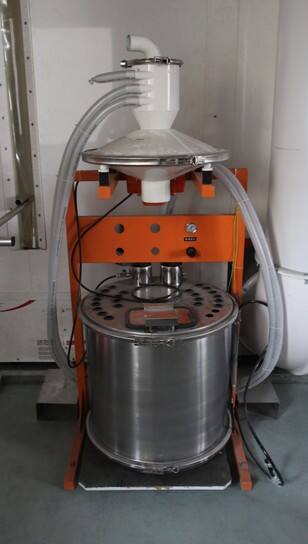
Modern industrial coating operations demand conveyor systems that can handle complex material flow patterns, varying product sizes, and precise process timing. Understanding the different conveyor technologies used in coating lines is essential for manufacturing engineers, plant managers, and production planners who need to optimize throughput while maintaining coating quality. The selection of an appropriate conveyor system directly impacts line efficiency, production flexibility, and the overall quality of finished products across automotive, aerospace, appliance, and general metal finishing applications.
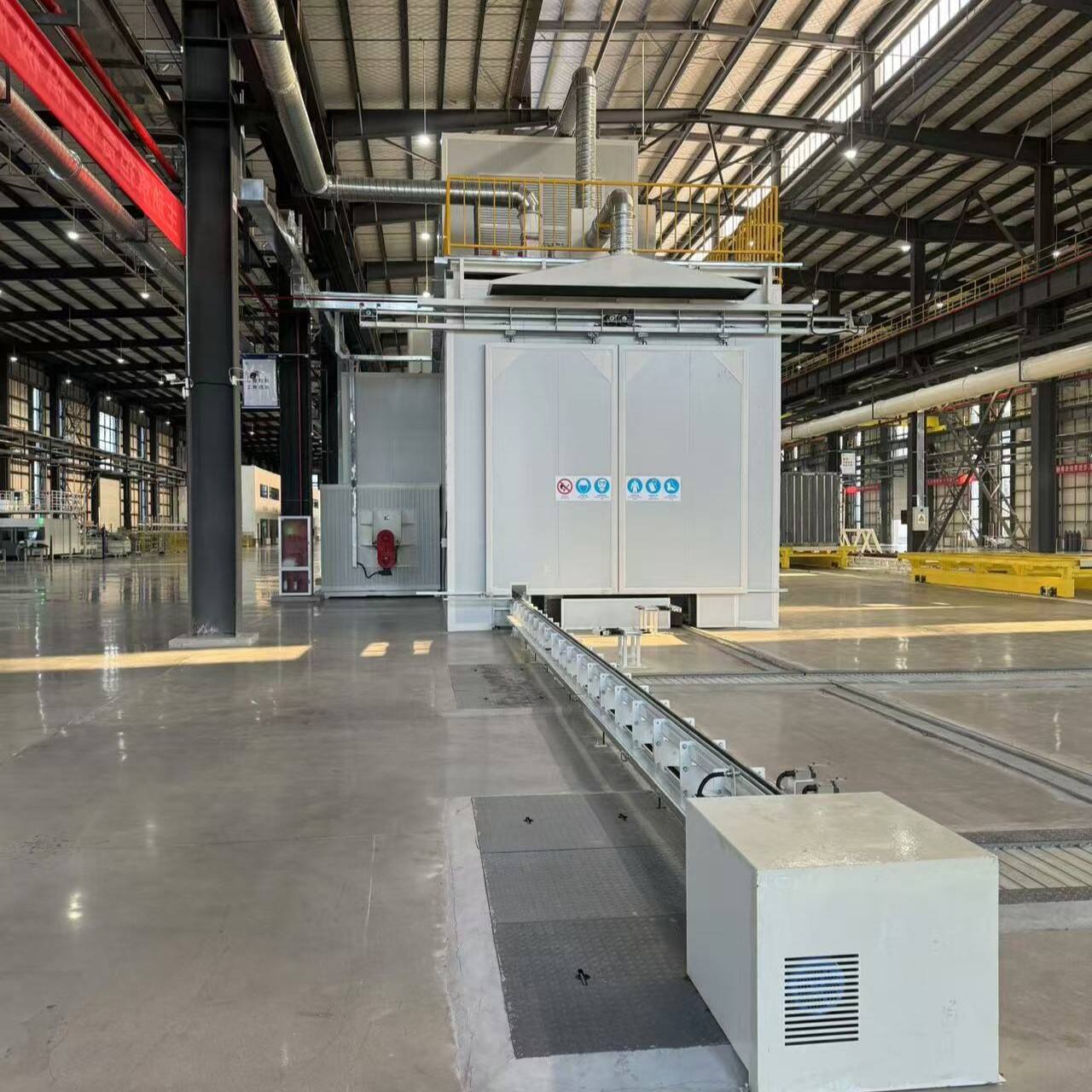
Coating line conveyors must satisfy unique requirements that distinguish them from general material handling systems. These specialized conveyors transport parts through multi-stage processes including pretreatment, drying, primer application, topcoat application, and curing ovens, each with distinct environmental conditions and timing requirements. The choice between overhead conveyors, floor-mounted systems, and hybrid configurations depends on factors such as part geometry, production volume, floor space constraints, and the need for process accumulation or buffering between stations.
Core Conveyor Technologies in Coating Applications
Overhead Monorail and Enclosed Track Systems
Overhead monorail conveyors represent one of the most space-efficient solutions for coating lines, particularly in facilities with limited floor space or where ground-level access is needed for maintenance and operations. These systems suspend parts from trolleys that travel along an enclosed track, keeping the floor area clear for personnel movement and auxiliary equipment. The enclosed track design protects the chain and trolley wheels from coating overspray, chemical vapors, and environmental contaminants that are inherent in finishing operations.
Monorail systems excel in applications requiring complex routing patterns, including vertical lifts, descents, and transfers between different processing zones. The continuous loop configuration enables parts to move sequentially through each coating stage while maintaining consistent spacing and process timing. Load capacities typically range from light components weighing a few kilograms to heavy assemblies exceeding several hundred kilograms, depending on track gauge and trolley specifications.
The primary limitation of basic monorail systems is their lack of accumulation capability, meaning parts must maintain continuous movement through the entire circuit. This constraint can create bottlenecks when individual process stations require different cycle times or when maintenance activities temporarily stop downstream operations. Advanced monorail designs incorporate bypass loops and transfer switches to provide some buffering capability, though these additions increase system complexity and cost.
Power and Free Conveyor System Architecture
The power and free conveyor system addresses the accumulation limitations of basic monorail conveyors through a dual-track architecture that separates the driving mechanism from the load carriers. The upper power track contains a continuously moving chain that provides motive force, while the lower free track supports independent carriers that can engage or disengage from the power chain as needed. This configuration enables parts to accumulate at designated stations without stopping the entire conveyor system, providing crucial process flexibility.
In coating line applications, the power and free conveyor system proves particularly valuable when process stations have variable cycle times or when buffer zones are needed between pretreatment, coating, and curing operations. Carriers can be programmed to stop at specific locations for extended dwell times, then automatically re-engage with the power chain to continue downstream. This selective stopping capability optimizes overall line throughput by preventing faster operations from being constrained by slower downstream processes.
The system operates through mechanical dogs or pusher elements on the power chain that engage with corresponding features on the free carriers. Pneumatic or mechanical stops positioned along the track control when carriers disengage from the power chain and accumulate. Modern power and free conveyor system installations incorporate programmable logic controllers to manage stopping sequences, release timing, and carrier spacing based on real-time production demands and process status feedback from individual coating stations.
Installation and maintenance requirements for power and free conveyor system configurations are more demanding than simple monorail designs due to the dual-track arrangement and engagement mechanisms. Track alignment tolerances must be carefully maintained to ensure reliable dog engagement and disengagement. The system requires regular inspection of engagement components, chain tension, and pneumatic actuators to prevent carrier jams or unintended releases that could disrupt production flow.
Floor-Mounted Skid and Trolley Conveyors
Floor-mounted conveyor systems transport parts on wheeled skids or trolleys that travel along ground-level tracks, offering advantages for extremely heavy loads or when overhead clearance is limited. These systems commonly use chain-driven mechanisms where the floor-embedded or surface-mounted chain pushes individual carriers through the coating line. Load capacities can exceed several tons per carrier, making floor systems suitable for large automotive body assemblies, industrial equipment frames, and other substantial workpieces.
The floor skid configuration provides excellent stability for tall or top-heavy parts that might be difficult to suspend from overhead systems. Parts can be easily loaded and unloaded at floor level using standard material handling equipment such as forklifts, overhead cranes, or automated guided vehicles. This accessibility simplifies fixturing changes and reduces the ergonomic challenges associated with overhead loading operations.
Floor conveyor systems face unique challenges in coating environments, particularly regarding contamination management. The track and drive mechanisms are exposed to coating overspray, chemical drippings, and floor debris that can accumulate and cause premature wear or tracking problems. Effective system design incorporates protective covers, regular cleaning protocols, and corrosion-resistant materials to maintain reliable operation despite harsh environmental conditions.
Process Integration and System Selection Factors
Matching Conveyor Type to Process Requirements
Selecting the appropriate conveyor technology begins with analyzing the specific process sequence and timing requirements of the coating line. Lines with uniform process cycle times across all stations may perform adequately with continuous monorail systems, while operations with significant timing variations benefit from the accumulation capabilities of power and free conveyor system designs. The analysis should map each process station's minimum and maximum cycle times, including variations caused by part size differences or coating thickness requirements.
Production volume and part mix flexibility also influence conveyor selection. High-volume operations producing similar parts in large batches can achieve efficiency with simpler continuous systems, whereas facilities handling diverse product families with frequent changeovers gain operational advantage from flexible power and free conveyor system configurations that can adapt carrier spacing and dwell times through software adjustments rather than mechanical modifications.
Environmental considerations within different coating zones affect conveyor material selection and protection requirements. Pretreatment areas expose conveyors to acidic or alkaline chemical vapors, requiring corrosion-resistant track materials and sealed bearing assemblies. Paint application booths generate overspray that can build up on exposed surfaces, necessitating enclosed track designs or regular cleaning cycles. Curing ovens subject conveyors to elevated temperatures that may exceed the thermal limits of standard lubricants and polymeric components.
Space Utilization and Layout Efficiency
Overhead conveyor systems, including both monorail and power and free conveyor system variants, maximize floor space utilization by elevating the material flow path above ground level. This vertical separation allows personnel access, maintenance activities, and auxiliary equipment placement beneath the conveyor path. The three-dimensional routing capability of overhead systems enables complex layouts that navigate around structural columns, utility runs, and existing equipment without requiring extensive floor area.
Floor-mounted systems consume significant ground space for tracks and safety clearances, but may prove more practical in facilities with low ceiling heights or when building structural capacity cannot support overhead loads. The linear nature of most floor conveyor layouts can result in longer overall line footprints compared to overhead systems that can incorporate vertical elevation changes to compact the process sequence.
Layout planning must account for accumulation zones, load/unload stations, and maintenance access points that add to the basic process length. Power and free conveyor system designs provide accumulation within the primary conveyor path, while continuous systems may require offline buffer loops or parallel tracks to achieve similar functionality. The total facility footprint includes not only the active coating process but also incoming queue areas, finished goods staging, and rework circulation paths.
Throughput Optimization and Bottleneck Management
Maximum throughput in coating lines is determined by the slowest process station, which becomes the system bottleneck that limits overall production capacity. Conveyor system design can mitigate bottleneck impacts through strategic accumulation zones that buffer faster upstream operations and provide continuous feed to constrained downstream processes. The power and free conveyor system excels in this application by allowing parts to queue before bottleneck stations without stopping the entire line.
Carrier spacing represents another critical throughput parameter, as it determines the minimum time interval between parts entering each process station. Tighter spacing increases theoretical capacity but reduces flexibility for process variations and may not allow sufficient time for manual operations or quality inspections between parts. The power and free conveyor system can dynamically adjust effective spacing by holding carriers at accumulation points and releasing them in optimized patterns that balance throughput against process stability.
Line balancing strategies aim to equalize cycle times across stations through process optimization, equipment upgrades, or task redistribution. When process rebalancing is impractical due to equipment constraints or chemistry requirements, conveyor system features like selective stopping, variable speed zones, and parallel processing paths can compensate for inherent timing mismatches. These conveyor-based solutions often prove more cost-effective than duplicating expensive process equipment to eliminate bottlenecks.
Operational Characteristics and Performance Considerations
Load Handling and Fixturing Integration
Effective coating requires parts to be oriented and supported in ways that provide complete surface access while minimizing contact points that could create uncoated areas or finish defects. Conveyor systems must accommodate specialized fixtures or racks that hold parts in optimal positions throughout the coating process. The interface between carriers and fixtures significantly impacts loading efficiency, coating quality, and the ability to handle diverse part geometries.
Overhead systems typically suspend parts from hooks, spreader bars, or custom fixtures attached to trolley hangers, allowing gravity to assist drainage during liquid coating processes and preventing pooling in recessed areas. The hanging orientation facilitates complete coverage of lower surfaces and edges, though top horizontal surfaces may require special attention to achieve uniform coating thickness. Fixture design must balance the need for minimal contact area against structural requirements to safely support the part through all process zones.
Floor-mounted carriers support parts from below, making them well-suited for items with stable bases or those requiring upright orientation during coating. This configuration provides excellent stability but creates challenges for coating bottom surfaces and may require part rotation mechanisms or secondary operations to achieve complete coverage. The larger platform area of floor skids accommodates multiple small parts or complex assemblies that would be difficult to fixture on overhead carriers.
Speed Control and Process Synchronization
Coating line conveyors typically operate at constant speeds ranging from one to ten meters per minute, depending on process requirements and part sizes. Slower speeds provide longer dwell times in each zone, which may be necessary for thick coating builds, complex chemistries requiring extended reaction times, or when manual operations are integrated into the line. Higher speeds increase throughput but reduce process time per station, requiring more efficient equipment and tighter process control.
Variable speed capability allows conveyors to adjust transit rates based on production demands or process conditions. This flexibility proves valuable during startup when running at reduced speeds helps establish stable coating conditions, or during changeovers when slower movement facilitates fixture installation and part loading. Modern power and free conveyor system controllers can adjust power chain speed while maintaining proper engagement with free carriers across the speed range.
Synchronized movement between conveyor and process equipment becomes critical in automated coating lines where robotic applicators, vision systems, or inline measurement devices must track moving parts. Position encoding and communication protocols enable the conveyor control system to share real-time carrier location data with other equipment, ensuring coordinated operation even as line speed varies or carriers stop at accumulation points.
Maintenance Accessibility and Reliability
Conveyor system reliability directly impacts coating line uptime, as conveyor failures typically halt the entire production process. Preventive maintenance programs must address wear items such as chains, trolley wheels, bearings, and engagement mechanisms before failure occurs. The power and free conveyor system contains more components than simple monorail designs, requiring more comprehensive maintenance protocols but offering superior operational flexibility that often justifies the additional service requirements.
Track and chain lubrication presents particular challenges in coating environments where lubricants can contaminate coating processes or react with process chemicals. Enclosed track systems protect lubricated components from environmental exposure while containing lubricants within the track channel. Self-lubricating materials and sealed bearing assemblies reduce maintenance frequency and minimize contamination risks in critical coating zones.
Accessibility for maintenance activities varies significantly between overhead and floor-mounted systems. Overhead conveyors may require personnel lifts, scaffolding, or catwalks to reach track and drive components, increasing maintenance time and safety considerations. Floor systems provide easier access to most components but may require production shutdown to safely work on tracks in the active conveyor path. Maintenance planning should include dedicated access zones, quick-disconnect track sections, and removable trolley designs that facilitate component service without extensive line disassembly.
Advanced Features and Automation Integration
Automated Loading and Unloading Systems
Integration of robotic or automated loading systems eliminates manual material handling while improving loading consistency and reducing cycle time variability. Automated load stations position parts on fixtures with precise repeatability, ensuring consistent coating results and enabling lights-out operation during unmanned shifts. The conveyor system must coordinate with loading equipment through position sensors and control signals that manage carrier presentation, loading sequences, and release timing.
Unloading automation faces additional complexity due to the need to handle freshly coated parts without damaging wet finishes. Automated unload systems may incorporate vision inspection, cure verification, or cooling stations to ensure parts are ready for handling before removal from carriers. The power and free conveyor system facilitates this integration by allowing carriers to accumulate at unload stations until receiving confirmation that downstream handling equipment is ready to accept the next part.
Tooling return systems transport empty carriers back to the loading area after parts are removed, completing the conveyor circuit. Return path design must prevent collisions between loaded and empty carriers while maximizing system capacity. Overhead systems often use the same track for both directions with controlled spacing, while some floor installations employ separate return tracks that run parallel to or beneath the primary process path.
Quality Tracking and Process Documentation
Modern coating lines incorporate tracking systems that associate individual parts or batches with specific process parameters, creating quality records for regulatory compliance and process improvement initiatives. Conveyor-mounted RFID tags or barcode readers identify parts as they enter the line, while position sensors record transit times through each process zone. This data enables correlation between coating quality results and actual process exposures, supporting root cause analysis when defects occur.
The distributed nature of power and free conveyor system operations, where individual carriers can take different paths or experience different dwell times, requires sophisticated tracking logic to maintain accurate part history records. Control systems must continuously update part locations, calculate cumulative process times, and flag any deviations from target parameters. This tracking capability supports just-in-time manufacturing practices by providing real-time visibility into work-in-process inventory and expected completion times.
Integration with enterprise manufacturing execution systems enables coating line performance data to inform broader production planning and quality management processes. Conveyor utilization metrics, throughput rates, and downtime analysis help identify optimization opportunities and justify capital improvements. The detailed process documentation generated through automated tracking systems provides audit trails for regulated industries and supports continuous improvement methodologies.
Energy Efficiency and Sustainability Considerations
Conveyor system energy consumption represents a relatively small portion of total coating line operating costs compared to heating, ventilation, and process equipment, but efficiency improvements still contribute to sustainability goals and operating expense reduction. Variable frequency drives allow conveyor motors to operate at optimal speeds for current production demands rather than running continuously at maximum capacity, reducing energy waste during low-volume periods or when accumulation zones are fully populated.
The power and free conveyor system can achieve additional energy savings by stopping free carriers at designated accumulation points while only the power chain continues running. This selective movement reduces the total mass being transported compared to continuous systems where all carriers must move together. The energy savings become more significant in large installations with hundreds of carriers and long process circuits.
Material selection and system design influence long-term environmental impact through durability and recyclability considerations. Aluminum track and stainless steel components offer excellent corrosion resistance in harsh coating environments while being fully recyclable at end of service life. Modular designs facilitate component replacement and system reconfiguration as production needs evolve, extending useful system life and reducing waste from obsolete equipment disposal.
FAQ
What distinguishes a power and free conveyor system from a standard overhead monorail in coating applications?
A power and free conveyor system uses a dual-track design where carriers can independently stop and accumulate at designated locations while the drive chain continues running, whereas standard overhead monorails move all carriers continuously together. This accumulation capability allows coating lines to buffer parts between process stations with different cycle times, improving overall throughput and operational flexibility without requiring the entire line to stop when individual stations need extended processing time.
How does conveyor speed affect coating quality and process efficiency?
Conveyor speed directly determines dwell time in each process zone, influencing coating thickness, cure completion, and chemical reaction times. Slower speeds provide longer exposure for each process but reduce hourly throughput, while faster speeds increase production rates but may compromise coating quality if processes cannot complete in the reduced time window. Optimal speed balances quality requirements against production targets, often requiring process equipment upgrades or methodology changes to achieve desired throughput without sacrificing finish characteristics.
What maintenance challenges are specific to conveyors operating in coating line environments?
Coating line conveyors face contamination from overspray, chemical vapors, and temperature extremes that accelerate wear and cause buildup on moving components. Paint and powder accumulation can jam trolley wheels and interfere with engagement mechanisms in power and free conveyor system designs. Chemical exposure degrades lubricants and corrodes unprotected metal surfaces, while high curing oven temperatures may exceed thermal limits of standard bearings and seals. Effective maintenance requires sealed components, corrosion-resistant materials, regular cleaning protocols, and lubrication systems designed for harsh environments.
Can existing coating line conveyors be upgraded to power and free systems without complete replacement?
Upgrading from a basic monorail to a power and free conveyor system typically requires substantial modifications including installation of the secondary free track, engagement mechanisms, stop stations, and control system enhancements. While some structural elements like support columns and drive units may be reusable, the fundamental architectural differences usually make complete replacement more practical than attempting to retrofit existing systems. However, incremental improvements such as adding bypass loops, accumulation zones, or variable speed controls to existing monorails can provide some benefits of power and free systems at lower cost when full conversion is not justified.
Table of Contents
- Core Conveyor Technologies in Coating Applications
- Process Integration and System Selection Factors
- Operational Characteristics and Performance Considerations
- Advanced Features and Automation Integration
-
FAQ
- What distinguishes a power and free conveyor system from a standard overhead monorail in coating applications?
- How does conveyor speed affect coating quality and process efficiency?
- What maintenance challenges are specific to conveyors operating in coating line environments?
- Can existing coating line conveyors be upgraded to power and free systems without complete replacement?