
 EN
EN
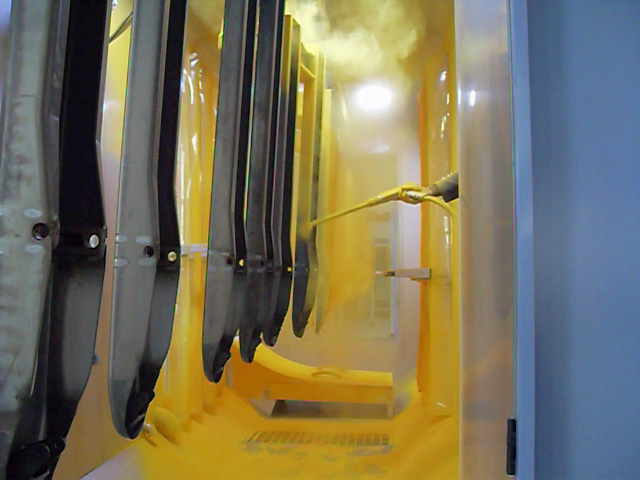
Industrial spray booth operations present significant explosion and fire hazards due to the volatile nature of coating materials, solvents, and atomized paint particles. Understanding and implementing comprehensive explosion protection and safety measures is not optional—it is a regulatory requirement and operational necessity. Every spray booth facility must address ignition sources, flammable vapor accumulation, ventilation failures, and electrostatic discharge risks to protect personnel, equipment, and production continuity. The consequences of inadequate safety protocols range from catastrophic explosions to chronic health hazards, making explosion protection the foundation of responsible spray booth management.
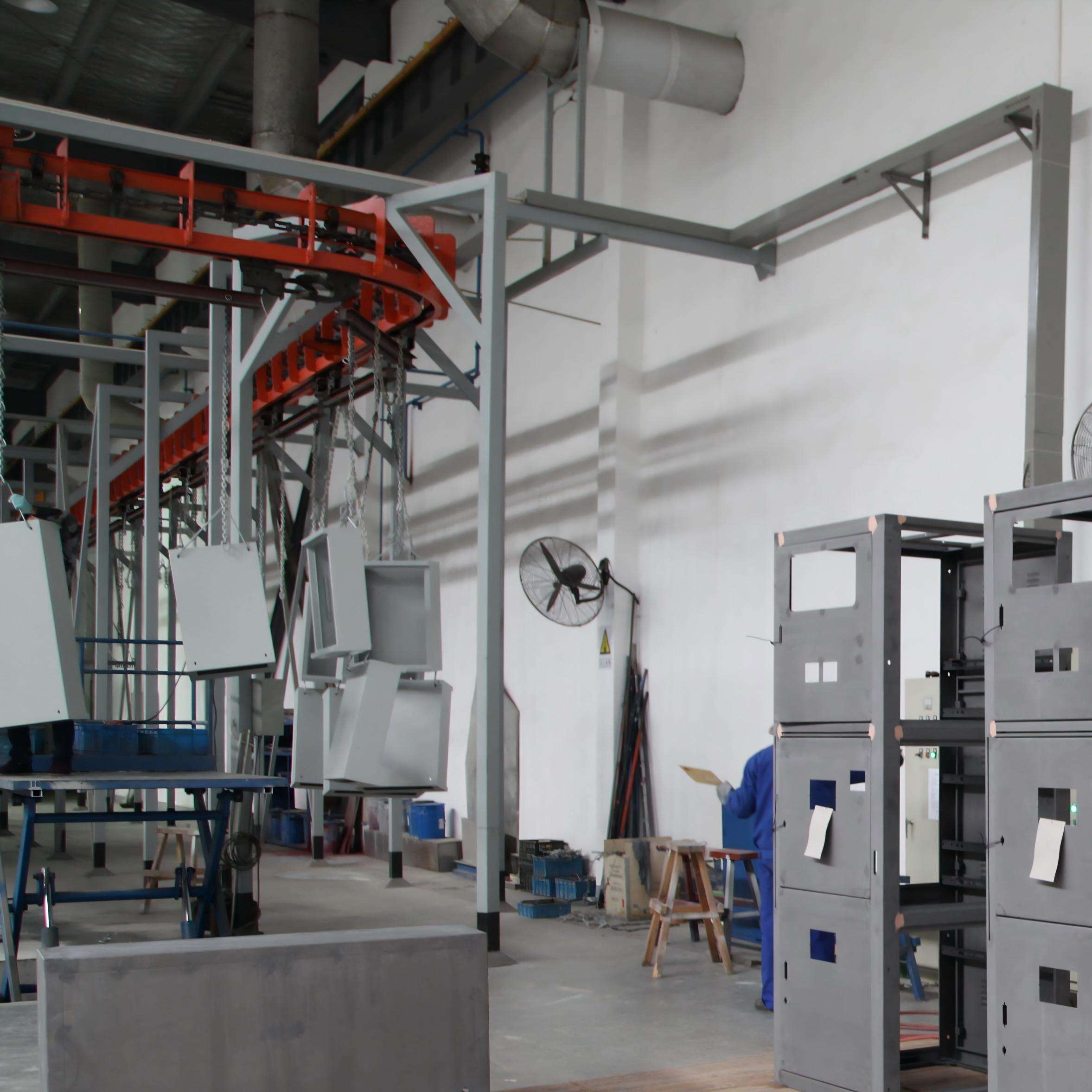
This article examines the critical explosion protection and safety requirements specific to spray booth environments, addressing the hazards that make these facilities particularly vulnerable, the engineering controls that mitigate risk, the regulatory frameworks that govern safe operation, and the operational practices that maintain safety integrity throughout the coating process. Whether you operate a single manual booth or a fully automated finishing system, the principles outlined here provide the decision-useful guidance necessary to establish and maintain a safe spray booth environment that meets both compliance standards and operational excellence objectives.
Understanding Explosion Hazards in Spray Booth Environments
The Nature of Flammable Atmospheres
Spray booth operations create flammable atmospheres through the combination of atomized coating particles, solvent vapors, and oxygen. When spray guns atomize liquid coatings, they generate fine droplets and vapor clouds that remain suspended in the air. These airborne materials contain volatile organic compounds with flash points often below room temperature, creating ideal conditions for ignition. The concentration of these vapors within the spray booth enclosure can rapidly reach the lower explosive limit, particularly during high-volume application or when ventilation systems underperform. Understanding the flammability characteristics of specific coating materials—including flash point, explosive range, and ignition energy—is essential for proper risk assessment.
The confined space of a spray booth intensifies explosion risk because it concentrates flammable vapors while potentially trapping ignition sources within the hazardous zone. Unlike open-air painting, the enclosed spray booth environment prevents natural dispersion of vapors, requiring mechanical ventilation to maintain concentrations below dangerous thresholds. The duration of exposure matters significantly: even brief ventilation interruptions during active spraying can allow vapor concentrations to spike into explosive ranges. Additionally, the mixing of air and solvent vapors creates turbulence that enhances the explosive potential of the atmosphere, meaning that spray booth conditions are inherently more dangerous than simple solvent storage or handling scenarios.
Common Ignition Sources
Identifying and eliminating ignition sources represents the primary defense against spray booth explosions. Electrical equipment poses the most common risk, including non-explosion-proof lighting fixtures, switches, motors, and control panels located within or near the spray booth hazardous area. Even properly rated equipment can become an ignition source if installation is improper, maintenance is neglected, or modifications compromise the original explosion-proof integrity. Static electricity generated during spray application, material transfer, and air movement creates another critical ignition pathway, particularly when working with non-conductive coatings or when proper grounding procedures are not followed consistently throughout the operation.
Mechanical sparks from tools, equipment friction, or foreign object impact present additional ignition risks that are often underestimated. A dropped metal tool, a malfunctioning conveyor bearing, or debris caught in ventilation fans can generate sufficient spark energy to ignite flammable atmospheres. Hot surfaces from heating systems, curing lamps, or even overheated motors may reach auto-ignition temperatures of common solvents without producing visible flames or sparks. Human factors contribute significantly as well—smoking materials, unauthorized electronic devices, or synthetic clothing that generates static discharge have all caused spray booth incidents. Comprehensive ignition source control requires systematic identification of all potential energy sources within the classified hazardous area and implementation of appropriate safeguards for each.
Ventilation Failure Consequences
Adequate ventilation serves as the fundamental control measure preventing explosive atmosphere formation in spray booth facilities. When ventilation systems fail or operate below design capacity, flammable vapor concentrations can escalate rapidly from safe levels to explosive ranges within minutes. The consequences extend beyond immediate explosion risk to include chronic health exposures, coating quality defects from solvent retention, and regulatory violations that can halt production. Ventilation failures may result from fan motor malfunctions, filter loading beyond capacity, duct blockages, damper positioning errors, or electrical supply interruptions. Each failure mode requires detection and response before vapor concentrations reach dangerous levels.
The relationship between ventilation performance and explosion risk is not linear—small reductions in airflow can produce disproportionate increases in vapor concentration, particularly in booth areas with poor air distribution patterns. Dead zones where air movement is insufficient allow vapor pockets to accumulate even when overall ventilation rates appear adequate. Seasonal temperature variations affect ventilation system performance, with cold weather reducing air density and warm weather potentially increasing evaporation rates. The cumulative effect of gradual ventilation degradation often goes unnoticed until a catastrophic failure occurs, making continuous monitoring and preventive maintenance essential components of explosion protection strategy rather than optional enhancements.
Engineering Controls for Explosion Protection
Explosion-Proof Electrical Systems
Electrical systems within classified hazardous areas of a spray booth must meet stringent explosion-proof requirements defined by the National Electrical Code and relevant international standards. This involves using electrical enclosures, fixtures, and devices specifically designed to contain any internal explosion without allowing flame or hot gases to escape into the surrounding flammable atmosphere. Explosion-proof lighting fixtures incorporate heavy-duty glass lenses with threaded or bolted closures that maintain integrity under explosion pressure, while junction boxes and switch enclosures use similarly robust construction with precisely machined flame paths that cool escaping gases below ignition temperature.
The classification of hazardous areas determines the level of electrical protection required, with areas inside the spray booth typically classified as Class I, Division 1 or Zone 1, requiring the highest level of protection. Areas adjacent to the spray booth may be classified as Division 2 or Zone 2, where ignitable concentrations are not normally present but may occur under abnormal conditions, allowing somewhat less stringent electrical requirements. All electrical installations must be performed by qualified personnel familiar with hazardous location requirements, as improper installation can compromise explosion protection regardless of equipment ratings. Regular inspection and maintenance of electrical systems ensures continued integrity, as corrosion, physical damage, or unauthorized modifications can create ignition hazards in previously safe installations.
Ventilation System Design and Performance
Proper spray booth ventilation system design begins with accurate calculation of air volume requirements based on booth dimensions, coating material volatility, and application methods. Industry standards typically specify minimum air velocity across booth openings ranging from 100 to 150 feet per minute for downdraft configurations and cross-draft systems, with higher velocities required for certain high-solvent coatings. The ventilation system must provide uniform air distribution throughout the booth interior, eliminating stagnant zones where vapors can accumulate and ensuring that all generated vapors are captured and exhausted before reaching dangerous concentrations.
Filter systems protect exhaust fans while capturing overspray particles, but filter loading directly affects ventilation performance. As filters accumulate coating material, airflow resistance increases and system capacity decreases unless fan motors have sufficient reserve capacity. Differential pressure monitoring across filter banks provides real-time indication of filter condition and ventilation performance, allowing timely filter replacement before airflow drops below safe minimums. Exhaust air discharge location requires careful consideration to prevent re-entrainment of contaminated air into building intakes or creation of external hazardous areas. Make-up air systems must be properly sized and temperature-controlled to replace exhausted air without creating negative building pressure that could draw contaminated air from the spray booth into adjacent work areas.
Fire Suppression and Detection Systems
Automatic fire suppression systems specifically designed for spray booth applications provide critical protection when ignition occurs despite preventive measures. Dry chemical systems using specialized extinguishing agents offer rapid flame knockdown and are commonly installed in spray booth environments due to their effectiveness on flammable liquid fires. Water-based systems including deluge sprinklers may be appropriate for certain spray booth configurations, particularly when coating materials are water-based or when supplemental cooling is necessary to prevent structural damage. The selection of suppression system type depends on coating materials used, booth construction, and specific fire hazards present in the operation.
Detection systems must respond rapidly to incipient fire conditions, providing activation signals to suppression systems and facility alarms before flames spread beyond controllability. Heat detectors, flame detectors, and smoke detectors each offer distinct advantages depending on booth configuration and fire scenario characteristics. Optical flame detectors provide fastest response to open flames but may be susceptible to false alarms from welding operations or bright sunlight. Rate-of-rise heat detectors respond to rapid temperature increases characteristic of fires while ignoring gradual ambient temperature changes. Integration of fire suppression and detection systems with facility emergency response protocols, including automatic equipment shutdown and exhaust system control, ensures coordinated protective action during fire events.
Regulatory Compliance and Safety Standards
NFPA and OSHA Requirements
The National Fire Protection Association publishes NFPA 33, Standard for Spray Application Using Flammable or Combustible Materials, which establishes comprehensive requirements for spray booth design, construction, operation, and maintenance. This standard addresses booth construction materials, ventilation specifications, electrical system requirements, fire protection provisions, and operational safety procedures. NFPA 70, the National Electrical Code, provides detailed requirements for electrical installations in hazardous classified locations, including spray booth environments. Compliance with these NFPA standards is not merely a best practice recommendation—most jurisdictions adopt these standards into enforceable fire codes, and insurance providers typically require compliance as a condition of coverage.
The Occupational Safety and Health Administration enforces workplace safety regulations including specific requirements for spray finishing operations under 29 CFR 1910.107. OSHA standards mandate adequate ventilation, proper electrical installations, fire protection equipment, and employee training programs. OSHA inspection authority extends to verification of compliance with adopted consensus standards like NFPA 33, meaning that violations of industry standards can result in OSHA citations and penalties. The regulatory framework also addresses hazard communication requirements, ensuring that employees understand the specific hazards of coating materials they handle, and respiratory protection requirements when ventilation alone cannot maintain safe exposure levels.
Hazardous Area Classification
Proper classification of hazardous areas surrounding spray booth operations determines the required level of protection for electrical equipment, ignition source control, and operational procedures. The classification system defines zones based on the frequency and duration of explosive atmosphere presence. Class I, Division 1 locations are areas where ignitable concentrations exist continuously, intermittently, or periodically during normal operations—this typically includes the spray booth interior during spraying operations. Class I, Division 2 locations are areas where ignitable concentrations are not normally present but may occur under abnormal conditions such as ventilation system failure or container leakage.
The extent of classified hazardous areas extends beyond the spray booth enclosure itself, typically including zones within three feet of booth openings and areas where coating containers are opened or solvent transfer occurs. Documentation of area classification through formal hazardous area classification drawings provides essential guidance for electrical installations, maintenance activities, and hot work permitting. Periodic review and updating of area classifications is necessary when process changes, ventilation modifications, or facility reconfigurations alter the distribution of flammable atmospheres. Proper area classification also informs material storage locations, ensuring that incompatible materials and ignition sources remain outside classified zones.
Inspection and Certification Protocols
Regular inspection and testing of spray booth safety systems ensures continued compliance with design specifications and regulatory requirements. Comprehensive inspections should address ventilation system performance including airflow measurement, filter condition assessment, and exhaust fan operation verification. Electrical system inspections examine explosion-proof equipment integrity, grounding system continuity, and hazardous location wiring methods. Fire suppression system inspections verify proper agent charge, detector functionality, and discharge nozzle condition according to manufacturer specifications and NFPA 25 requirements.
Third-party certification and periodic audits by qualified safety professionals provide independent verification of spray booth safety system adequacy and regulatory compliance. Many insurance providers require annual inspections by certified industrial hygienists or fire protection engineers as a condition of coverage. Documentation of inspection findings, corrective actions, and maintenance activities creates an essential compliance record that demonstrates due diligence during regulatory inspections and potential incident investigations. The inspection protocol should include operator interviews to assess training effectiveness and procedural compliance, as human factors often prove critical in maintaining safety system effectiveness between formal inspections.
Operational Safety Practices and Procedures
Material Handling and Storage Safety
Safe handling and storage of coating materials, solvents, and thinners directly impacts spray booth explosion risk. Flammable liquid storage must comply with NFPA 30, Flammable and Combustible Liquids Code, which specifies container types, storage cabinet requirements, and quantity limitations based on material flash points and facility construction. Approved flammable liquid storage cabinets provide fire-resistant enclosures that limit fire spread and contain spills, while proper ventilation of storage areas prevents vapor accumulation. The practice of storing only the minimum necessary quantities near the spray booth reduces both fire load and the potential magnitude of incidents.
Transfer of coating materials from bulk storage to spray equipment introduces additional hazards including spill potential, vapor generation, and static electricity accumulation. Bonding and grounding procedures during liquid transfer prevent static discharge by maintaining electrical continuity between containers and eliminating potential difference that could produce sparks. Use of approved safety containers with flame arrestors and pressure relief mechanisms reduces ignition risk during material dispensing. Spill containment provisions including drip pans, absorbent materials, and secondary containment for larger volumes prevent floor contamination and reduce slip hazards while limiting the spread of flammable liquids in the event of container failure.
Personal Protective Equipment and Worker Safety
Appropriate personal protective equipment selection for spray booth operations must address multiple hazard categories including inhalation exposure, skin contact, eye protection, and ignition source prevention. Respiratory protection requirements depend on the specific coating materials used, ventilation effectiveness, and exposure duration. Air-supplied respirators provide the highest level of protection for high-volume or high-toxicity applications, while properly selected cartridge respirators may be adequate for lower-exposure scenarios when fit testing and cartridge change-out schedules are rigorously maintained.
Protective clothing requirements include consideration of static electricity generation, with synthetic fabrics potentially creating discharge hazards in spray booth environments. Fire-resistant clothing appropriate for the specific hazards present provides additional protection during fire scenarios. Eye and face protection must guard against coating splash and particulate exposure while remaining compatible with respiratory protection equipment. Hearing protection becomes necessary when spray booth ventilation systems generate noise levels exceeding permissible exposure limits. The effectiveness of personal protective equipment depends entirely on proper selection, fit, maintenance, and consistent use—factors that require ongoing training, supervision, and enforcement to ensure compliance.
Training and Competency Development
Comprehensive training programs for spray booth operators and maintenance personnel form the foundation of operational safety. Initial training must cover hazard recognition including flammable atmosphere characteristics, ignition sources, and explosion mechanisms specific to spray booth environments. Procedural training addresses safe operating practices including pre-operational equipment checks, proper spray techniques that minimize overspray and material waste, and emergency response protocols. Training content should be tailored to specific equipment configurations and coating materials used in the facility rather than relying on generic spray booth safety information.
Ongoing competency verification through periodic retraining, practical demonstrations, and safety audits ensures that knowledge retention and procedural compliance remain consistent over time. Near-miss incident reviews and safety meeting discussions provide opportunities to address emerging hazards and reinforce critical safety concepts. Documentation of training completion, competency assessments, and safety certifications creates records necessary for regulatory compliance and provides evidence of due diligence in the event of incidents. Cross-training maintenance personnel in spray booth safety requirements ensures that routine maintenance activities and equipment modifications do not inadvertently compromise safety systems or create new hazards.
Maintenance and System Integrity Management
Preventive Maintenance Programs
Structured preventive maintenance programs for spray booth systems prevent gradual degradation that can lead to safety system failures and explosion hazards. Ventilation system maintenance includes scheduled filter replacement based on differential pressure readings or time intervals, fan motor lubrication and bearing inspection, belt tension verification, and duct cleaning to remove accumulated coating residue. Electrical system maintenance encompasses periodic inspection of explosion-proof equipment seals, verification of grounding system continuity, testing of emergency shutdown circuits, and replacement of degraded wiring or damaged conduit.
Fire suppression system maintenance follows manufacturer specifications and NFPA 25 requirements, typically including semi-annual inspections of detection devices, annual discharge testing of manual activation mechanisms, and periodic recharging or replacement of suppression agents. Spray booth structural maintenance addresses door seals, panel joints, and access ports to maintain booth integrity and prevent fugitive emissions. Maintenance documentation including completed checklists, test results, and parts replacement records provides essential compliance evidence and trending data that may indicate systematic problems requiring engineering solutions rather than continued reactive repairs.
Condition Monitoring and Performance Verification
Continuous monitoring of critical safety system parameters enables early detection of performance degradation before failures compromise safety. Differential pressure monitoring across filter banks provides real-time indication of filter loading and ventilation system capacity, allowing predictive filter replacement rather than waiting for complete airflow blockage. Airflow measurement at booth face openings using calibrated anemometers verifies compliance with design specifications during routine operations and after maintenance activities. Some advanced spray booth installations incorporate continuous vapor concentration monitoring using flame ionization detectors or infrared analyzers, providing direct measurement of explosive atmosphere presence.
Periodic functional testing of safety interlocks, emergency shutdown systems, and alarm circuits verifies proper operation of protective systems that may remain dormant during normal operations. Testing procedures should simulate actual fault conditions where practical, including ventilation failure scenarios, fire detection activation, and emergency stop button function. Calibration of monitoring instruments according to manufacturer specifications and industry standards ensures measurement accuracy and reliable indication of actual conditions. Performance verification testing should be documented with specific acceptance criteria, test results, and corrective actions for any identified deficiencies.
Modification Control and Management of Change
Modifications to spray booth systems, processes, or materials require formal management of change procedures to evaluate safety implications before implementation. Process changes including introduction of new coating materials with different flammability characteristics, increased production rates that affect vapor generation, or modified application techniques require reassessment of ventilation adequacy and fire protection provisions. Equipment modifications such as adding electrical devices, relocating spray equipment, or altering booth configuration must consider hazardous area classification and potential creation of new ignition sources.
The management of change process should include hazard analysis, engineering review, and approval by qualified safety personnel before modifications are implemented. Temporary modifications including試 equipment testing, prototype runs, or maintenance workarounds require the same rigorous safety evaluation as permanent changes. Documentation of approved modifications, including updated drawings, revised operating procedures, and additional training requirements, ensures that safety knowledge remains current as facilities evolve. Post-modification verification testing confirms that changes perform as intended without creating unintended safety consequences.
FAQ
What causes explosions in spray booth facilities?
Spray booth explosions result from the simultaneous presence of three elements: a flammable atmosphere created by coating solvent vapors and atomized particles, an adequate oxygen supply, and an ignition source with sufficient energy to initiate combustion. The confined space of a spray booth concentrates flammable vapors while potentially trapping ignition sources such as electrical sparks, static discharge, mechanical friction, or hot surfaces within the explosive atmosphere. When vapor concentrations fall within the explosive range—between the lower explosive limit and upper explosive limit—any ignition source can trigger rapid combustion that generates pressure waves capable of destroying the booth structure and causing severe injuries. Prevention requires either eliminating ignition sources within classified hazardous areas or maintaining vapor concentrations below explosive limits through adequate ventilation.
How often should spray booth ventilation systems be inspected?
Spray booth ventilation systems require daily operational checks by booth operators to verify proper airflow, unusual noises, or visible signs of malfunction before beginning spray operations. Formal inspections by maintenance personnel should occur monthly, including differential pressure measurement across filters, visual inspection of fans and ductwork, verification of make-up air system operation, and testing of ventilation failure alarm circuits. Comprehensive professional inspections should be conducted annually, including airflow measurement with calibrated instruments, motor electrical testing, structural inspection of exhaust stacks and ductwork, and verification of compliance with design specifications. Additional inspections are necessary following any ventilation system modifications, after extended shutdown periods, or whenever operational problems indicate potential ventilation degradation.
Can standard electrical equipment be used near spray booths?
Standard electrical equipment is not permitted within classified hazardous areas of spray booth installations, which typically include the booth interior, areas within three feet of booth openings, and locations where coating containers are opened or transferred. These areas require explosion-proof or intrinsically safe electrical equipment specifically designed and certified for use in Class I, Division 1 hazardous locations. The area classification diminishes with distance from the spray booth, and some adjacent areas may be classified as Division 2, where electrical equipment must prevent ignition under normal operating conditions but need not contain internal explosions. Areas beyond the classified zones may use standard electrical equipment. Proper hazardous area classification drawings are essential for determining appropriate electrical equipment requirements at specific locations within spray finishing facilities.
What training is required for spray booth operators?
Spray booth operators must receive comprehensive initial training covering hazard recognition including flammable atmosphere characteristics and ignition sources, safe operating procedures specific to the equipment and materials used, proper personal protective equipment selection and use, emergency response protocols including fire extinguisher use and evacuation procedures, and regulatory requirements applicable to their operations. Training must be provided before operators begin independent work, whenever new hazards are introduced through process or material changes, and periodically as refresher training to maintain competency—typically annually at minimum. Documentation of training completion, competency verification through testing or practical demonstration, and records of specific topics covered are required for regulatory compliance. Operators should also receive specific instruction on recognizing abnormal conditions that require immediate corrective action or work stoppage.