 EN
EN
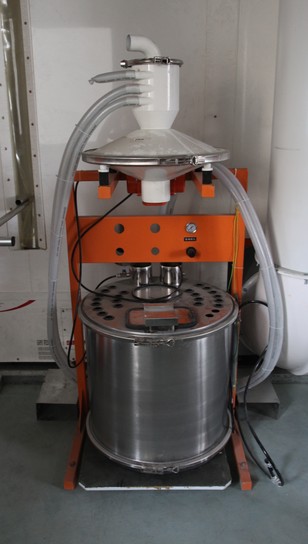
Choosing the right spray booth for a powder coating operation is one of the most consequential decisions a production manager or facility engineer will make. Whether your operation handles compact brackets and small hardware or oversized structural frames and industrial enclosures, the performance, efficiency, and safety of your entire finishing line depend on how well your spray booth is matched to the parts you coat. A booth that fits the job reduces waste, controls contamination, and supports consistent film build — all of which translate directly into product quality and bottom-line results.
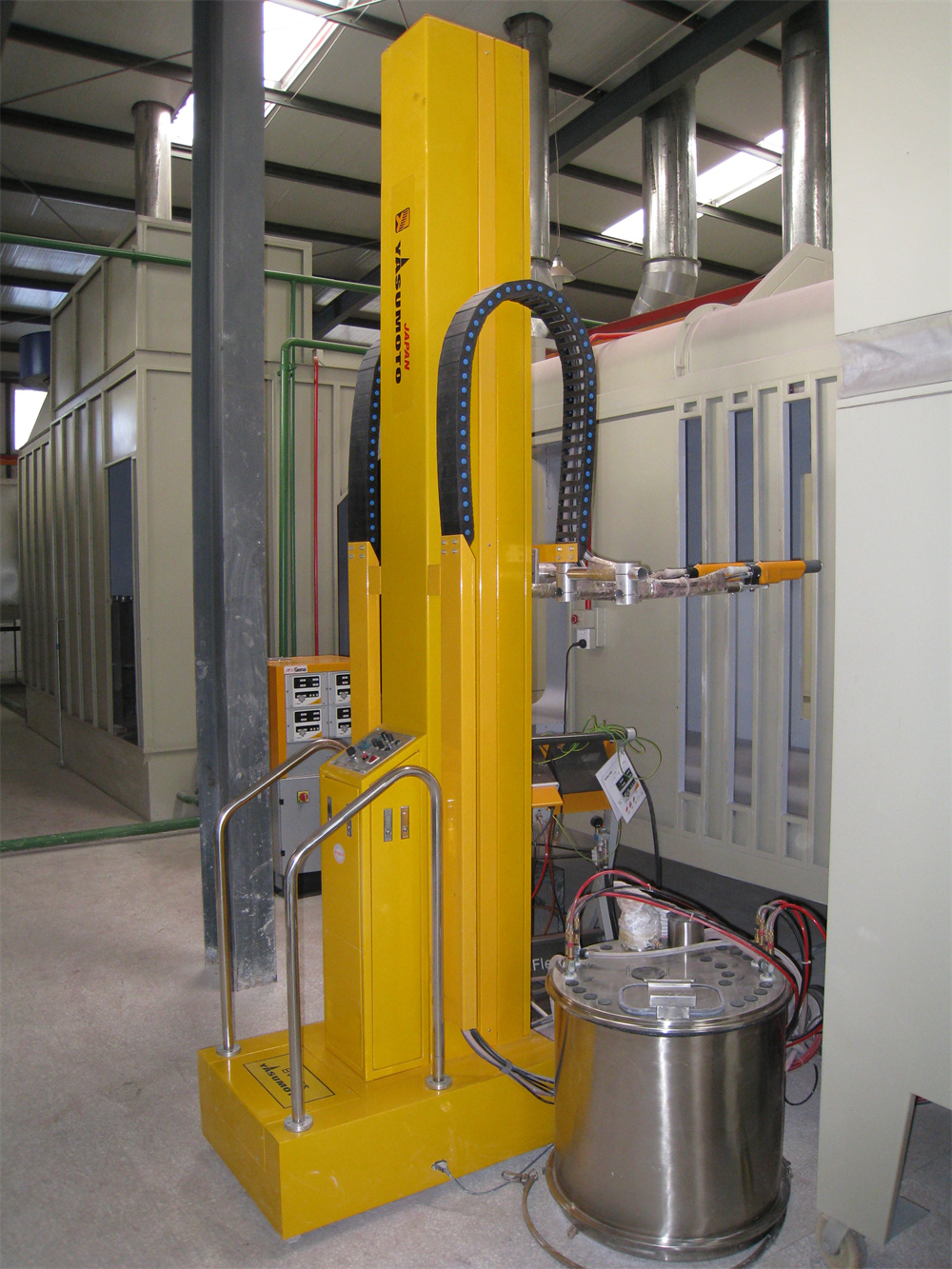
This article explores how powder spray booth systems are designed, scaled, and configured to accommodate both small and large parts. We will examine the structural and functional differences between compact and oversized booth configurations, look at airflow and filtration principles that apply at every scale, and explain the operational factors that should drive your selection process. Understanding these considerations allows manufacturers to invest in the right spray booth infrastructure from the start — or to upgrade an existing system with confidence.
Understanding the Role of a Spray Booth in Powder Coating
What a Spray Booth Actually Does
A spray booth is far more than a simple enclosure for applying powder. It functions as a controlled environment that manages airflow, contains overspray, protects workers, and supports powder recovery. In a powder coating line, the spray booth creates the aerodynamic conditions that allow charged powder particles to travel from the gun to the part with minimal loss and maximum transfer efficiency.
Without a properly designed spray booth, powder overspray would drift throughout the facility, contaminating other surfaces, creating health hazards, and making color changes nearly impossible to execute cleanly. The booth walls, floor, and ceiling channels contain the cloud of airborne powder and direct it toward collection filters or recovery systems. This containment function is essential regardless of whether you are coating small fasteners or large automotive body panels.
Additionally, the spray booth plays a direct role in achieving uniform coating thickness. Controlled airflow prevents turbulence that could disturb powder distribution, and consistent air velocity across the part surface helps ensure that complex geometries receive even coverage. A booth that is improperly sized for the part introduces airflow inconsistencies that degrade coating quality and increase rework rates.
The Relationship Between Part Size and Booth Design
The physical dimensions and throughput volume of the parts being coated are the primary drivers of spray booth design. A small-parts booth needs to maintain precise airflow at reduced scale while handling high cycle rates, since compact components are often produced in large quantities. A large-parts booth must accommodate significant internal volume and manage the challenge of coating deeply recessed or shadowed areas on bulky workpieces.
The internal cross-section of a spray booth must provide enough clearance for the part and the spray gun to operate without airflow interference from the booth walls. Industry practice generally recommends a minimum clearance of several hundred millimeters on each side of the largest part dimension. This clearance allows the powder cloud to develop properly and prevents wall proximity from distorting the electrostatic field around the part.
Transfer efficiency — the ratio of powder that adheres to the part versus powder that becomes overspray — is also directly affected by how well the booth is sized. In an oversized booth used for small parts, powder disperses too widely and recovery rates drop. In an undersized booth used for large parts, turbulence and recirculation degrade finish quality. Matching booth dimensions to part dimensions is not just about physical fit; it is about optimizing every aspect of the coating process.
Spray Booth Configurations for Small Parts
Design Priorities in Small-Parts Booths
When a spray booth is designed for small parts, several operational priorities come to the forefront. High throughput is typically one of them, since small components such as hinges, brackets, clips, and hardware pieces are usually produced in large batches. The booth must support rapid part cycling, quick color changes, and easy cleaning between production runs. Compact internal geometry makes this achievable by reducing the surface area that collects overspray between cycles.
Small-parts spray booth systems are often integrated into compact conveyor configurations or rack-and-hook setups that allow parts to pass through the booth continuously. Automated reciprocating guns or multi-axis robotic applicators can be positioned close to the parts, taking advantage of the smaller booth cross-section to maximize transfer efficiency. With shorter gun-to-part distances, the electrostatic field is more effective, and less powder is lost to overspray.
Powder recovery in a small-parts spray booth benefits from the enclosed geometry. Cyclone recovery systems or cartridge filter banks can be tightly integrated into the booth structure, drawing overspray directly into the collection system before it can settle on surfaces. This keeps the booth clean, reduces manual cleaning labor, and enables cost-effective powder reclaim — a significant advantage when running high-value specialty powders.
Airflow and Filtration at Small Scale
The airflow management in a small-parts spray booth must be carefully calibrated to avoid disturbing the powder cloud while still maintaining adequate containment. Horizontal or cross-draft airflow designs are common in compact booths, with fresh air entering from one side and exhaust air exiting through filters on the opposite side. This arrangement creates a stable, predictable airflow path that moves powder toward the filters without generating the kind of turbulence that disrupts fine particle distribution.
Face velocity — the speed of air moving through the open face of the booth — is a critical parameter. In a small-parts spray booth, maintaining face velocity in the recommended range prevents powder from escaping the enclosure while avoiding the excessive air movement that can blow powder off freshly coated parts before it has cured. Achieving this balance requires correctly sized fans, properly designed ductwork, and filter media with appropriate resistance characteristics.
Filter maintenance is proportionally more demanding in high-throughput small-parts operations because the volume of overspray generated per unit time is high relative to booth size. Self-cleaning cartridge filters with pulse-jet cleaning systems are a practical solution, allowing continuous operation without manual filter changeouts. This keeps the spray booth running efficiently across extended production shifts.
Spray Booth Configurations for Large Parts
Structural and Dimensional Requirements
Coating large parts — such as agricultural equipment frames, construction machinery components, architectural extrusions, or heavy-duty enclosures — demands a fundamentally different spray booth approach. The internal volume of a large-parts booth must accommodate the full dimensions of the workpiece plus adequate clearance on all sides, and the structural integrity of the booth must support the weight and movement of large conveyor systems or heavy overhead monorails.
Large-parts spray booth enclosures are typically constructed from rigid steel panels with interlocking joint systems that allow modular assembly. This modular approach means the booth can be configured to match the specific dimensions required by the largest part in the production portfolio, and sections can be added or reconfigured as the product mix evolves. Floor-mounted and ceiling-mounted support structures must be engineered to handle the dynamic loads introduced by moving overhead conveyors carrying heavy workpieces.
The entry and exit openings of a large-parts spray booth are significant in themselves. Wide or tall entry openings allow large parts to enter and exit without risk of contact with booth surfaces, but they also represent potential points of powder escape and airflow disturbance. Air curtains or vestibule sections at the booth entry are used to mitigate this effect, creating a zone of controlled air movement that prevents powder from migrating outward even when the booth opening is not sealed.
Application Technology for Large Parts
Manual application in a large-parts spray booth is feasible for low-volume production but becomes impractical as throughput requirements increase. Large parts present challenges related to operator reach, consistent gun-to-part distance, and coating of vertical or overhead surfaces. Automated application systems — including reciprocating guns mounted on vertical or horizontal axes and robotic arms programmed to follow complex part profiles — solve these challenges by ensuring consistent application parameters regardless of part geometry or operator fatigue.
In a fully automated large-parts spray booth, multiple guns may operate simultaneously on different sections of the part. Coordinating the movement and triggering of these guns requires integration with the conveyor control system and, in advanced installations, vision-based part detection that allows the application program to adapt to variations in part position or orientation. This level of automation significantly improves first-pass transfer efficiency and reduces the frequency of touch-up operations.
The spray booth in an automated powder coating line for large parts is typically integrated with upstream pretreatment stages and downstream curing ovens in a continuous conveyor flow. This integration requires precise timing and spacing to ensure that parts arrive at the booth properly pretreated, are coated uniformly, and proceed to the oven without delay. A well-engineered line minimizes dwell time between application and cure, protecting the uncured powder coating from contamination and mechanical disturbance.
Key Operational Factors Across All Spray Booth Sizes
Color Change Efficiency
Color change capability is a critical performance metric for any spray booth regardless of part size. In production environments where multiple colors or powder formulations are applied across a single shift, the time and effort required to switch from one powder to another directly affects throughput and profitability. A well-designed spray booth minimizes color change time through smooth internal surfaces that resist powder adhesion, accessible filter systems that can be quickly swapped or cleaned, and application equipment with fast-purge capabilities.
For small-parts operations with frequent color changes, spray booth systems with dedicated recovery units per color are sometimes used. In this arrangement, each color has its own collection system, and switching colors involves redirecting the powder flow rather than cleaning out a shared system. For large-parts operations with fewer color changes per shift, a single robust recovery system with thorough cleaning protocols is more typical.
Safety, Compliance, and Housekeeping
Powder coating operations must comply with fire safety and explosion prevention standards because accumulated powder can become a combustion hazard under certain conditions. A properly designed spray booth incorporates explosion relief panels, grounding systems to dissipate electrostatic charge, and ventilation that maintains powder concentration below the lower explosive limit at all times. These safety features are not optional — they are fundamental requirements for any compliant industrial spray booth installation.
Regular housekeeping inside the spray booth is essential to both safety and quality. Powder buildup on booth surfaces, floor grids, and filter housings can lead to contamination of parts, irregular airflow patterns, and increased fire risk. Scheduled cleaning intervals — whether manual or automated — must be built into the production schedule. Booth interiors designed with smooth, accessible surfaces and minimal ledges or corners make cleaning faster and more thorough.
Worker safety is also supported by the spray booth enclosure itself. By containing overspray within the booth, workers in adjacent areas are protected from inhalation exposure. Inside the booth, operators working with manual guns should wear appropriate respiratory protection, and booth ventilation must be sufficient to maintain safe airborne particle concentrations throughout the working area. These health and safety considerations apply at every scale of spray booth operation.
FAQ
Can the same spray booth handle both small and large parts?
In some cases, a single spray booth can accommodate a range of part sizes if it is designed with adjustable internal configurations or variable airflow settings. However, optimizing one booth for both very small and very large parts simultaneously involves trade-offs in transfer efficiency and airflow control. Many manufacturers prefer to maintain separate booth configurations for dramatically different part sizes to maintain coating quality and operational efficiency across their full product range.
How does booth size affect powder transfer efficiency?
Transfer efficiency in a spray booth is influenced by the ratio of booth volume to part size, gun-to-part distance, and airflow conditions inside the enclosure. A booth that is appropriately sized for the part being coated creates the electrostatic and aerodynamic conditions that maximize powder adhesion on the first pass. Oversized or undersized booths introduce inefficiencies that raise powder consumption, increase cleaning frequency, and may degrade finish quality.
What maintenance does a spray booth require?
A spray booth requires regular filter inspection and replacement or cleaning, periodic cleaning of interior surfaces and floor grids, inspection of explosion relief panels and grounding connections, and verification of fan and ductwork performance. The frequency of these tasks depends on production volume and the types of powder being applied. High-throughput operations may require daily cleaning cycles, while lower-volume facilities may follow weekly maintenance schedules.
Is automation necessary in a powder spray booth for large parts?
Automation is not strictly required in a spray booth for large parts, but it becomes highly beneficial as production volumes increase and consistency requirements tighten. Manual application is viable for prototype work, small production runs, and specialty applications where part geometry varies significantly from piece to piece. For high-volume production of large, consistent parts, automated application systems improve coating uniformity, reduce labor costs, and allow the spray booth to operate as part of a continuous, integrated finishing line.