In engineering machinery manufacturing, coating does more than improve product appearance. It helps protect heavy equipment and structural components against corrosion and surface damage during demanding operating conditions. A well-designed engineering machinery coating line integrates multiple processes into an organized production system, helping manufacturers achieve consistent coating quality and more efficient operations.
From surface pretreatment and paint application to drying and curing, each stage plays an important role in the final finish. This article introduces the main components, key benefits, selection factors and maintenance practices of an engineering machinery coating line.
An engineering machinery coating line is an integrated production system designed for coating large machinery, equipment and related components, such as excavators, loaders, cranes and structural parts.
Unlike a conventional manual coating workshop, an automated coating line connects different process stages through conveying equipment. Workpieces move through pretreatment, painting and drying processes in a coordinated sequence, helping manufacturers improve production flow and maintain consistent coating results.
The specific line configuration depends on the workpiece dimensions, material, coating requirements, production capacity and factory layout.
A typical engineering machinery coating line may include four main systems: a spray booth, conveying equipment, drying and curing equipment, and surface pretreatment equipment. Their configurations are determined by the production process and the characteristics of the workpieces.
The spray booth provides a controlled area for paint application. Its design should consider ventilation, lighting, workpiece dimensions and the requirements of the selected coating process.
For large engineering machinery components, the booth layout needs to accommodate the workpiece geometry and allow sufficient access for coating operations. Appropriate ventilation and paint mist treatment arrangements are also important considerations when designing the spraying area.
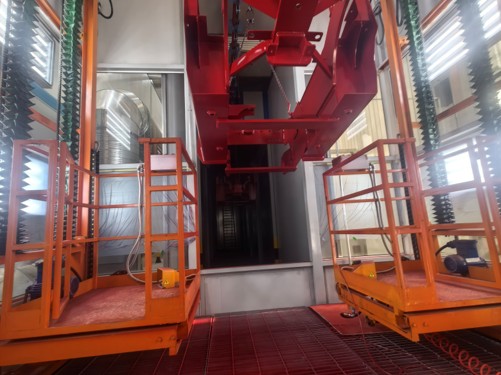
The conveying system connects the different stages of the coating line and transfers workpieces between process areas. Depending on workpiece size, weight and production layout, manufacturers may use different conveying arrangements.
For example, a Power & Free conveyor system can be used in coating projects involving long or heavy workpieces, where flexible transportation and process buffering are important. The conveying design should match the production rhythm and the handling requirements of the components.
After paint application, workpieces enter the drying or curing stage. This equipment helps the coating film reach the required condition for subsequent handling and use.
Common equipment configurations may include hot-air circulation ovens or other drying systems. The appropriate solution depends on the coating material, required curing conditions, workpiece characteristics and production requirements.
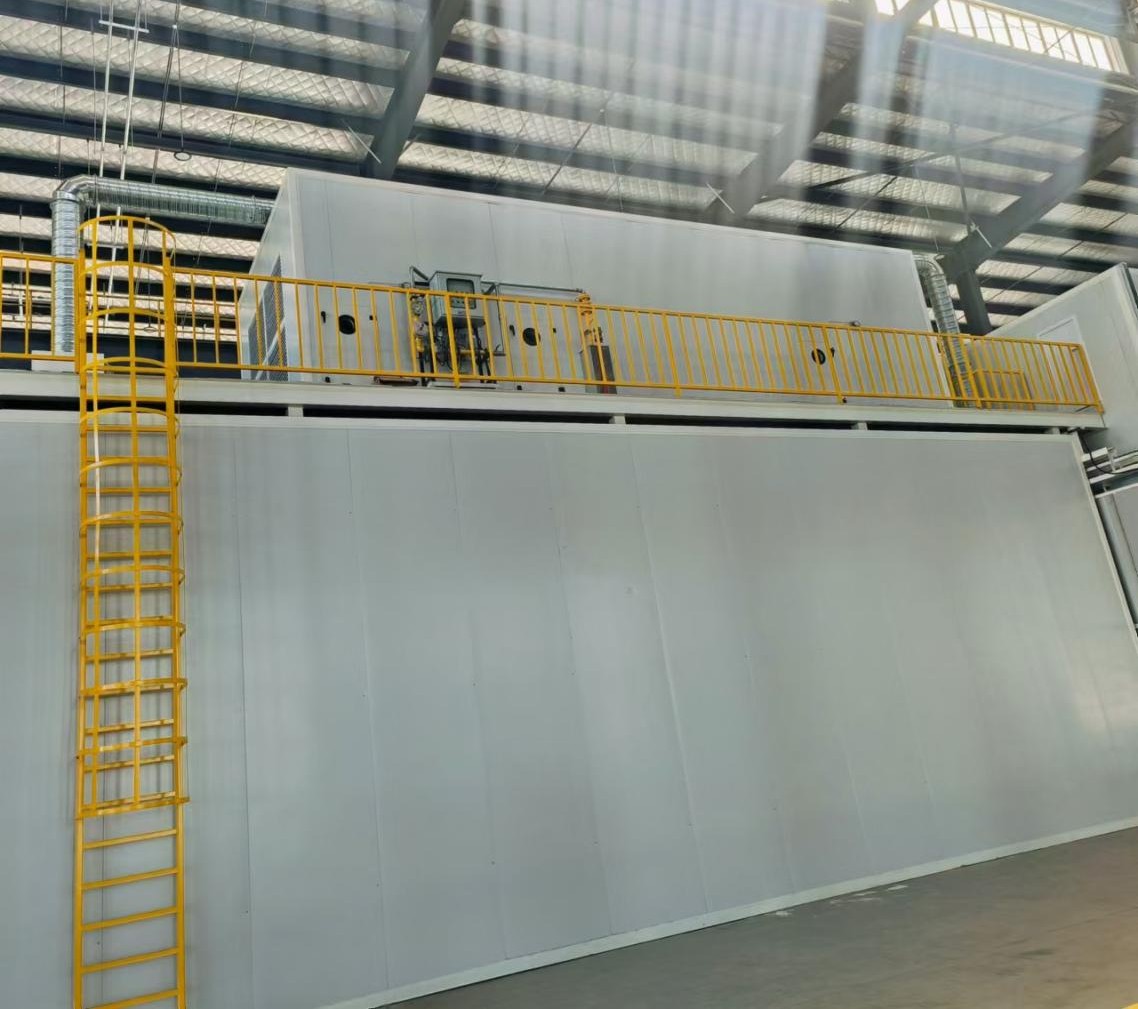
Surface pretreatment prepares the workpiece before coating. It removes contaminants such as oil and rust and can include processes such as degreasing, derusting, phosphating and passivation, depending on the material and coating requirements.
A properly configured pretreatment process helps provide a suitable surface for coating adhesion and contributes to the overall corrosion protection of the finished workpiece.
A properly planned coating production line can support manufacturers in several areas of production.
By connecting pretreatment, spraying, conveying and drying processes, an automated line reduces the need for repeated manual handling between separate operations. A coordinated production flow can help shorten process interruptions and improve overall throughput.
A structured coating process helps manufacturers maintain more consistent operating conditions across production stages. Appropriate equipment configuration and process control can reduce variations in paint application and finished surface quality.
An integrated production layout helps coordinate equipment, workpiece movement and production scheduling. The selection of suitable conveying and drying systems can also support more efficient use of workshop space and operating resources.
Selecting a coating line requires more than comparing equipment prices. Manufacturers should evaluate the production requirements and the long-term suitability of the proposed system.
Start by identifying the workpiece material, coating type, surface preparation requirements and expected finish quality. These factors determine the process sequence and the equipment needed for the line.
Large or irregularly shaped components require suitable booth dimensions, conveying arrangements and handling solutions. The system should allow workpieces to move smoothly through each process stage without unnecessary interference.
The required output should be considered when determining equipment configuration and production flow. Manufacturers should evaluate their current production plans as well as expected capacity requirements.
The total investment should include equipment purchase, installation, commissioning and ongoing operation and maintenance. Evaluating these costs together provides a more practical basis for comparing different coating line solutions.
Routine maintenance helps keep coating equipment operating reliably and supports consistent production quality.
A planned maintenance schedule should be based on the equipment configuration, operating conditions and manufacturer's recommendations.
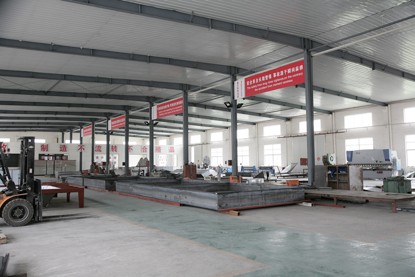
Yangzhou OURS Machinery Co., Ltd. (OURS COATING) has been engaged in industrial coating equipment since 2006. The company operates a 22,000-square-meter production base and provides coating line solutions covering electrophoretic coating, powder coating and liquid painting.
Its project experience includes coating systems for excavator components, crane jib sections, automotive structural parts and other industrial workpieces. Depending on project requirements, solutions can incorporate pretreatment, conveying, coating and environmental equipment.
From system design and manufacturing to installation, commissioning and operator training, OURS COATING provides project support based on customers' production requirements and factory conditions.
If you are planning a new engineering machinery coating line or upgrading an existing production facility, contact OURS COATING to discuss your workpieces, coating process and production needs.
Copyright © 2025 Yangzhou OURS Machinery Co., Ltd.All rights reserved. - Privacy policy
 EN
