Paint mist treatment is an important consideration when planning an industrial spray painting line. The choice of treatment system can affect workshop conditions, equipment maintenance, wastewater management and the overall operating cost of a coating facility.
Dry filtration and water curtain spray booths are two commonly discussed approaches to paint mist capture. Each has different operating characteristics, maintenance requirements and application considerations. Neither solution is suitable for every production environment. Manufacturers should evaluate their paint materials, spraying volume, workshop conditions and local environmental requirements before making a decision.
This article compares the two approaches and outlines the factors to consider when selecting a paint mist treatment system.
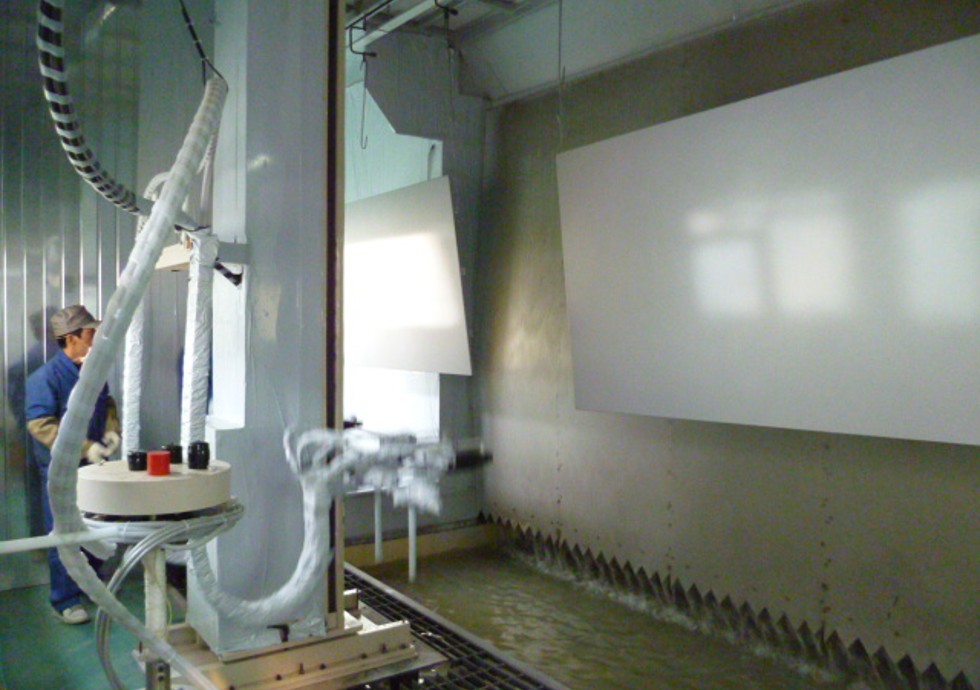
A water curtain spray booth uses circulating water to capture paint mist generated during spraying. As overspray comes into contact with the water curtain and associated collection area, paint particles are captured in the water system.
This approach has been used in various industrial spraying applications. Its suitability depends on the paint material, spraying conditions, booth design and the configuration of the associated treatment equipment.
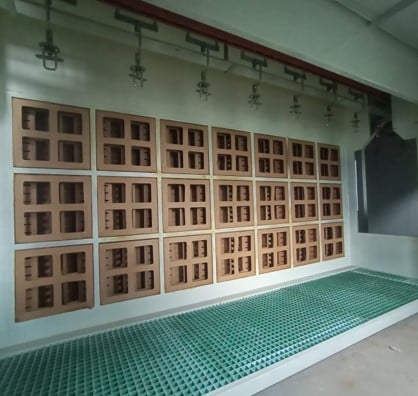
A dry filtration spray booth captures paint mist through filter materials rather than a circulating water curtain. Depending on the system design, filtration components may include filter media, filter cartridges or other collection elements.
The actual filtration configuration should be selected according to the paint characteristics, overspray load, airflow requirements and downstream exhaust treatment arrangement.
The main differences between the two approaches relate to their capture methods, water use, maintenance needs and operating conditions.
|
Comparison Factor |
Water Curtain System |
Dry Filtration System |
|
Paint mist capture |
Uses circulating water to capture paint mist |
Uses filter materials to capture paint mist |
|
Water consumption |
Requires circulating water |
Does not require a water curtain circulation system |
|
Wastewater |
Generates water that may require treatment and management |
Avoids wastewater from the water curtain process |
|
Maintenance |
Includes water system inspection, cleaning and sludge handling |
Includes filter inspection and replacement |
|
Cold-weather operation |
Requires attention to freezing risks |
Avoids freezing issues associated with circulating water |
|
Operating costs |
Include water management and related maintenance |
Include filter consumables and residue handling |
Actual performance and operating costs depend on system design, paint materials, production volume, maintenance practices and local operating conditions. The comparison above describes general system characteristics rather than guaranteed performance results.
The right solution should be selected according to the actual spraying process rather than a general preference for wet or dry filtration.
Different paint materials and spraying processes generate different types and quantities of overspray. Before selecting a system, evaluate the paint formulation, spraying method, production volume and expected paint mist load.
Available installation space, ventilation arrangements, local climate and water availability can all influence equipment selection. For example, facilities in cold regions may need to consider additional protection for water-based circulation systems.
The initial equipment investment is only one part of the total cost. Water management, wastewater treatment, filter replacement, residue disposal, energy consumption and routine maintenance should also be considered.
Paint mist capture is not necessarily the same as complete exhaust gas treatment. Depending on the coating materials and local regulations, a project may also require additional exhaust gas treatment equipment.
Manufacturers should confirm the applicable emission requirements and evaluate the complete treatment configuration before selecting equipment. No single spray booth type automatically guarantees environmental approval or regulatory compliance.
In addition to coating equipment, environmental protection systems are an important part of industrial painting line planning. The required configuration depends on the production process and the pollutants generated during operation.
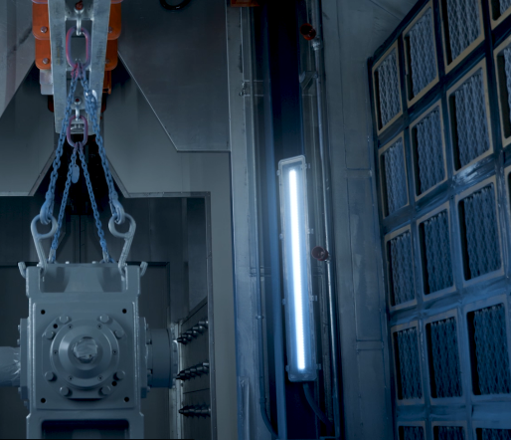
OURS COATING provides environmental equipment covering exhaust gas treatment, wastewater treatment, dust collection and VOC abatement. Its project experience includes a fluorocarbon wet spraying and drying system equipped with an exhaust gas treatment unit, as well as a painting line for large energy storage cabinets using activated carbon adsorption and catalytic oxidation.
These project examples demonstrate the importance of considering coating processes and environmental treatment arrangements together when planning an industrial coating facility.
Plan Your Paint Mist Treatment Solution with OURSCOATING
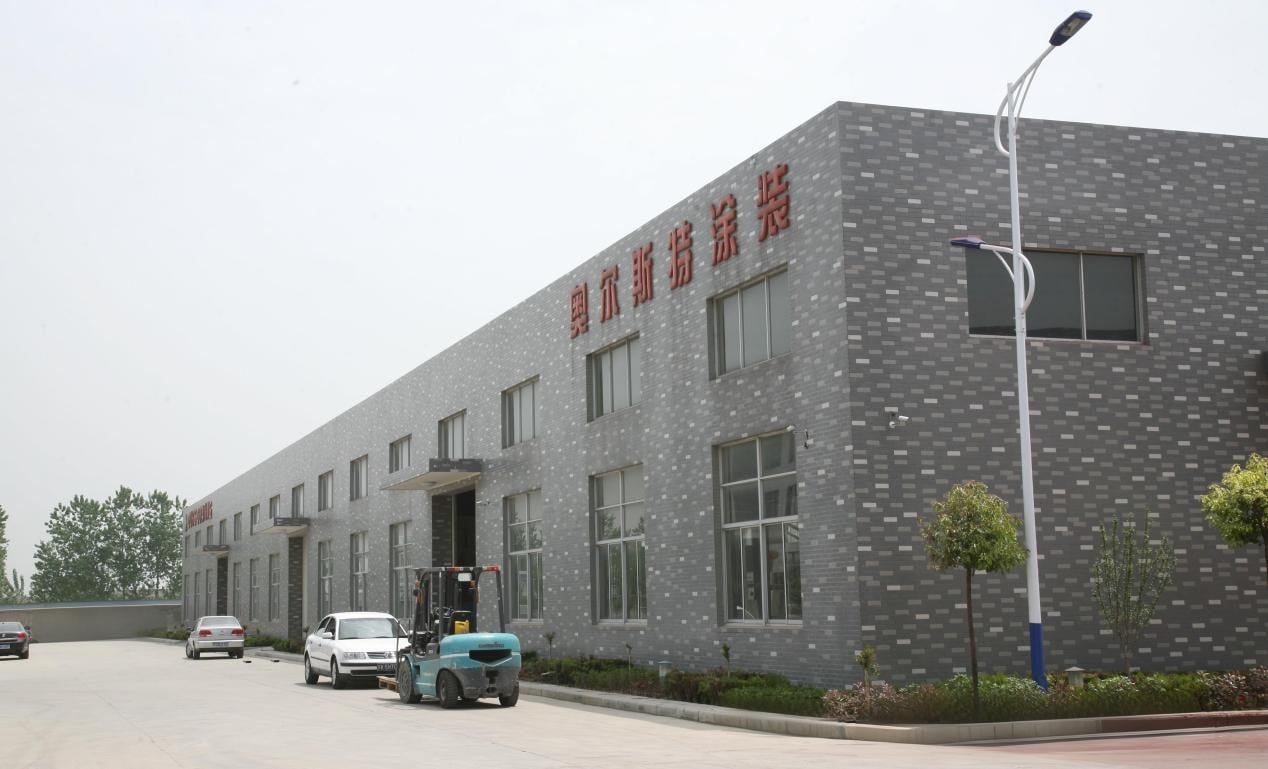
Choosing between dry filtration and a water curtain system requires a clear understanding of the spraying process, workshop conditions and environmental requirements. A suitable solution should balance paint mist capture, maintenance needs, operating costs and the complete exhaust treatment arrangement.
OURS COATING designs and manufactures industrial coating systems, including electrophoretic coating, powder coating and liquid painting lines, with supporting environmental equipment for different project requirements.
If you are planning a new spray painting line or upgrading an existing facility, contact OURS COATING to discuss your coating process, production conditions and environmental treatment needs.
Copyright © 2025 Yangzhou OURS Machinery Co., Ltd.All rights reserved. - Privacy policy
 EN
