 EN
EN
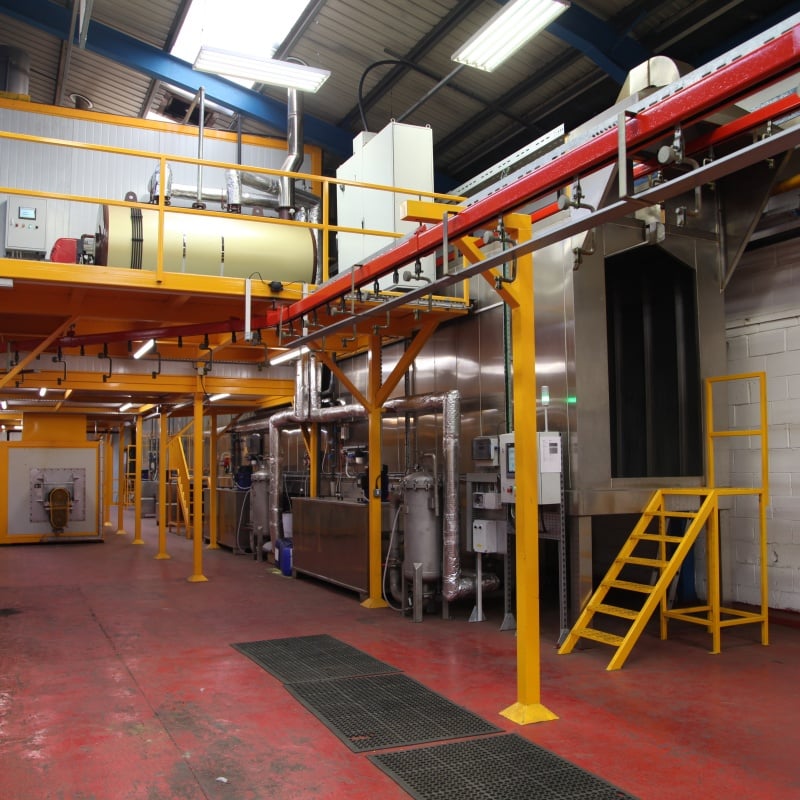
Selecting the appropriate e-coating line is one of the most critical decisions a factory manager can make when establishing or upgrading surface finishing operations. An e-coating line represents a substantial capital investment, and the wrong choice can lead to inconsistent product quality, higher operational costs, and production bottlenecks that ripple throughout your manufacturing process. Understanding how to evaluate and choose the right e-coating line requires knowledge of your specific production needs, factory layout constraints, product specifications, and long-term business goals.
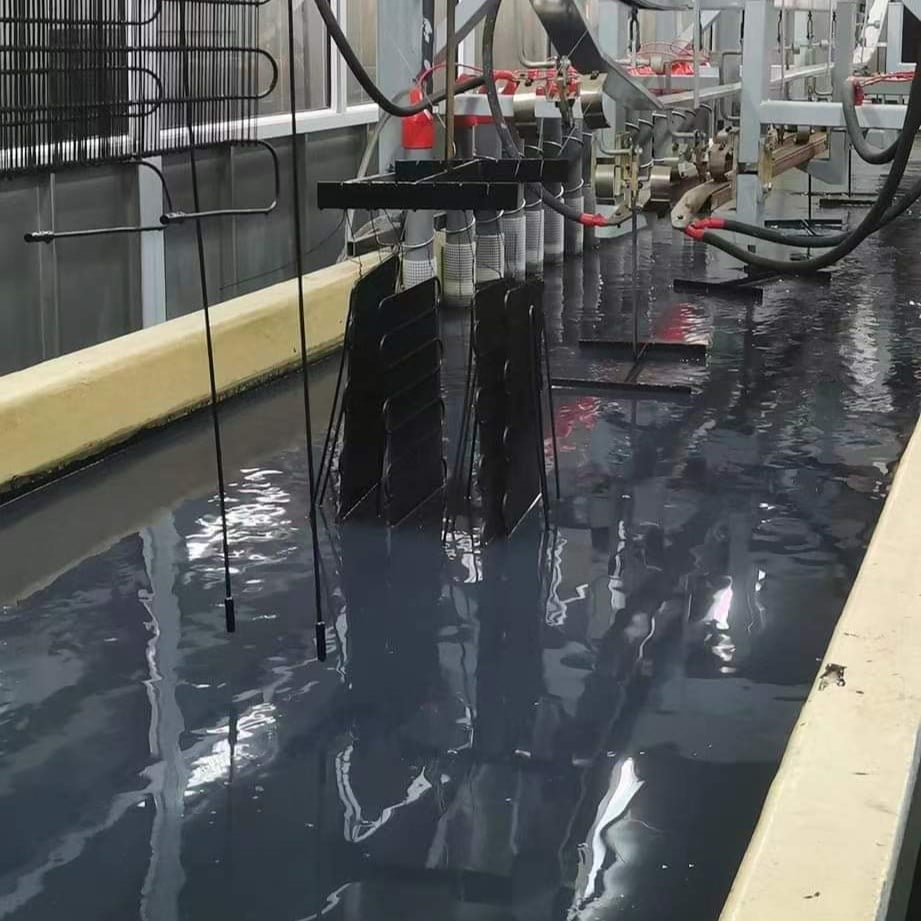
The process of selecting an e-coating line involves analyzing multiple technical and operational dimensions. Your factory's unique requirements—whether you manufacture automotive parts, metal components, or industrial equipment—will dictate which e-coating line configuration best serves your needs. This guide walks you through the essential evaluation criteria, helping you make an informed decision that aligns with your production targets, quality standards, and budget constraints.
Assessing Your Production Capacity Requirements
Understanding Your Current and Future Volume Needs
The first step in choosing an e-coating line is determining your production volume, both current and projected for the next five to ten years. An undersized e-coating line will create production delays and quality issues as you grow, while an oversized e-coating line wastes capital and operational resources. Calculate your peak monthly production volume, average daily throughput, and any seasonal fluctuations that might affect demand on the e-coating line.
When evaluating an e-coating line supplier's specifications, verify that the line's processing speed, tank capacity, and drying time can accommodate your target output without compromising coating quality. Consider also the changeover time between different product types on your e-coating line, as this affects your overall production efficiency. Many factories underestimate future growth, leading them to upgrade their e-coating line prematurely. Building a 20 to 30 percent capacity buffer into your e-coating line selection provides flexibility without excessive overhead.
Space and Layout Considerations
Factory floor space directly influences which e-coating line configurations are feasible for your operation. A compact e-coating line designed for a smaller footprint may require different conveyor angles, tank arrangements, or material handling systems compared to a full-scale production e-coating line. Measure your available space carefully, including headroom for overhead conveyors and ventilation ducting required by an e-coating line.
The integration of an e-coating line with your existing production workflow also matters significantly. Consider how parts will arrive at the e-coating line, whether pre-cleaning stations align with your setup, and how finished parts will exit the e-coating line for drying and subsequent operations. A well-designed e-coating line layout minimizes material handling time and reduces the risk of coating defects caused by part damage or contamination.
Evaluating Technical Specifications and Coating Quality
Coating Thickness, Uniformity, and Consistency
The technical capability of an e-coating line to deliver consistent coating thickness across all product geometries is paramount for meeting customer specifications and regulatory requirements. An advanced e-coating line incorporates controlled voltage, current, and immersion time to ensure uniform film build-up on complex shapes. Verify that the e-coating line you select can achieve the coating thickness range your products require, typically measured in microns.
Different product designs present different coating challenges. An e-coating line for automotive parts with intricate internal cavities requires superior penetration capability compared to an e-coating line for flat metal sheets. Request performance data and sample coatings from your e-coating line vendor demonstrating how their system handles your specific part geometries. The uniformity of coating on recesses, edges, and inner surfaces is a critical differentiator between a standard e-coating line and a premium system.
Paint Chemistry and System Compatibility
Your e-coating line must be compatible with the specific paint chemistry your products require. Cathodic e-coating line systems use different bath chemistry than anodic systems, and the choice affects corrosion resistance, cost, and environmental impact. Consult with your paint supplier to ensure the e-coating line you select supports their recommended coating formulation, filtration requirements, and maintenance protocols.
The e-coating line's ultrafiltration and water management systems directly influence coating quality and paint bath longevity. A robust e-coating line with advanced water removal and ionic monitoring maintains paint bath quality longer, reducing batch replacement frequency and operational costs. Inadequate water management in an e-coating line leads to bath degradation, poor coating performance, and increased scrap rates.
Analyzing Operational Efficiency and Support Infrastructure
Automation, Monitoring, and Maintenance Access
Modern e-coating line systems offer varying levels of automation and real-time monitoring. A fully automated e-coating line with digital controls, bath monitoring sensors, and data logging capabilities reduces operator error and enables predictive maintenance. When evaluating an e-coating line, confirm that control interfaces are user-friendly, that the system can track process parameters, and that alerts notify operators of bath chemistry deviations before they impact coating quality.
Accessibility for maintenance is another critical factor when choosing an e-coating line. The tank design, electrode positioning, and filter cartridge access on your e-coating line determine how quickly technicians can perform routine maintenance and troubleshoot problems. A poorly designed e-coating line with difficult maintenance access increases downtime and labor costs. Request detailed drawings and walkthroughs from your e-coating line vendor to ensure your team can comfortably service all components.
Energy Consumption and Environmental Compliance
Operating an e-coating line consumes significant electrical power, particularly during the electrophoretic deposition phase and the rinse stages. Energy-efficient e-coating line designs with optimized power supplies and reduced idle consumption can substantially lower your operating costs over the system's lifespan. Request energy consumption specifications from your e-coating line vendor, including average hourly usage under full production and standby modes.
Environmental regulations governing wastewater discharge, air emissions, and paint disposal directly impact which e-coating line systems are permissible in your region. Verify that your chosen e-coating line includes appropriate wastewater treatment, fume extraction, and solids handling to comply with local environmental standards. Some newer e-coating line designs feature lower volatile organic compound emissions and water-based paint systems that provide competitive advantages in regulated markets.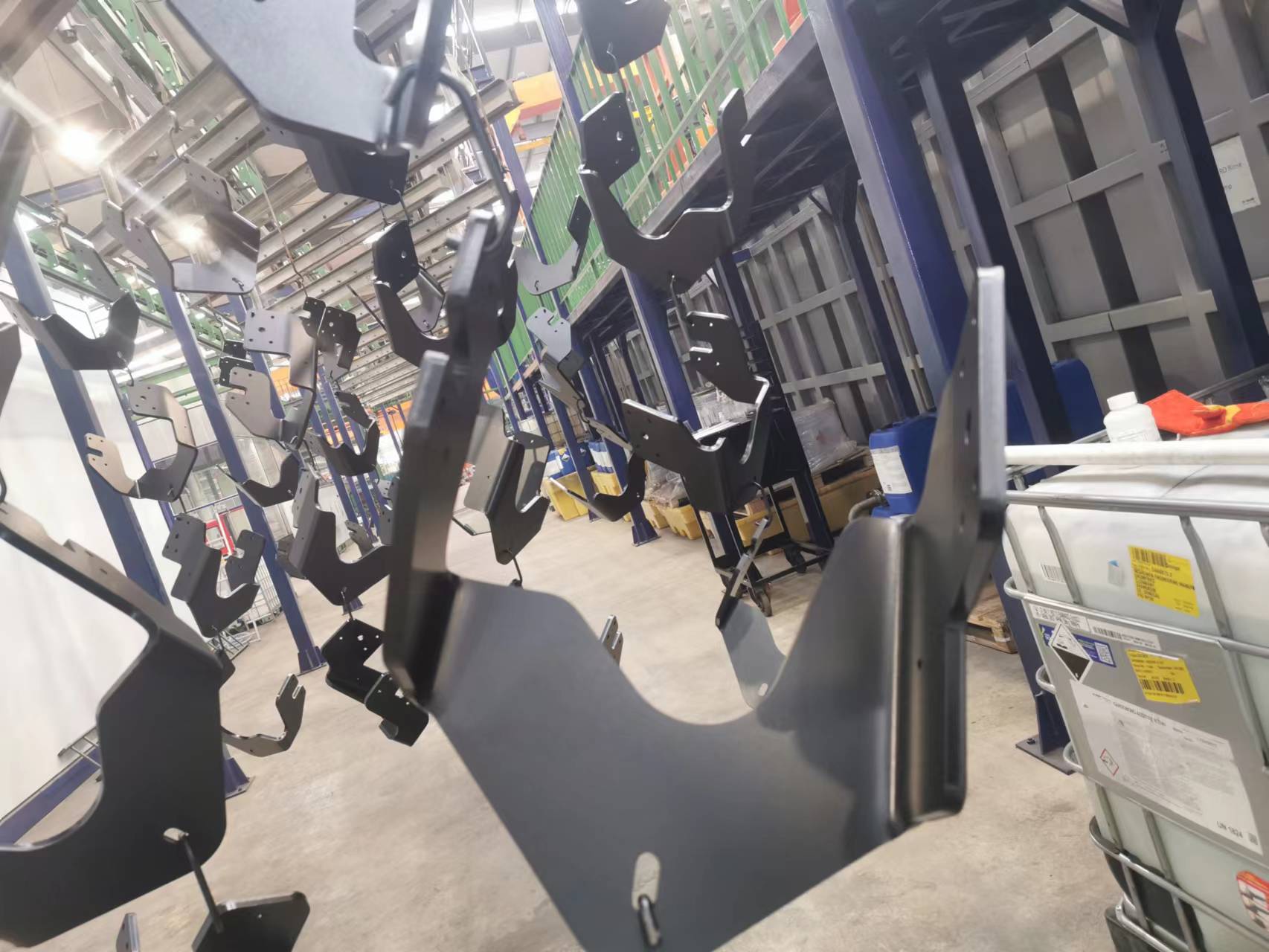
FAQ
What is the typical lifespan of an e-coating line?
An e-coating line typically operates effectively for 10 to 15 years with proper maintenance, though some components may require replacement or upgrades earlier. Regular maintenance, including paint bath monitoring, filter replacement, and electrode inspection, extends the functional life of your e-coating line. Technological advancements may prompt earlier replacement if your e-coating line cannot meet evolving coating specifications or efficiency standards.
How much training do operators need to run an e-coating line?
Most factories require their operators to undergo comprehensive training covering safety protocols, bath chemistry monitoring, equipment troubleshooting, and quality control procedures specific to their e-coating line. Training duration typically ranges from two to four weeks, depending on operator experience and your e-coating line's complexity. The vendor should provide initial training and ongoing support to ensure your team becomes proficient with the e-coating line system.
What are common failure modes in an e-coating line?
Common issues affecting an e-coating line include paint bath degradation from excessive water content, uneven coating thickness caused by electrode fouling, conveyor mechanical failures, and power supply malfunctions. Many e-coating line problems stem from inadequate preventive maintenance or operator error rather than inherent system flaws. A comprehensive maintenance schedule and proper operator training significantly reduce downtime and extend your e-coating line's reliable operation.