Home > Products > Peripherals
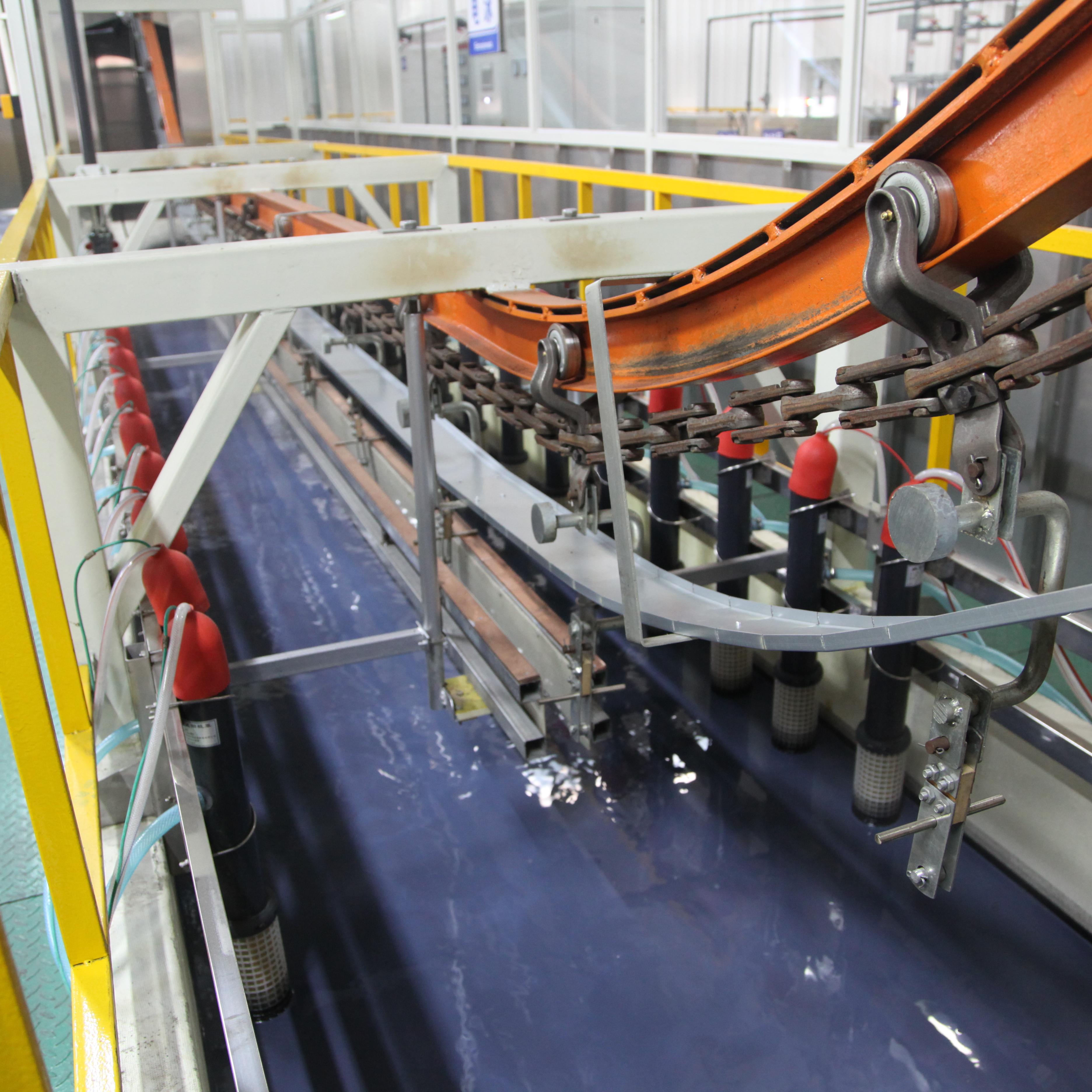
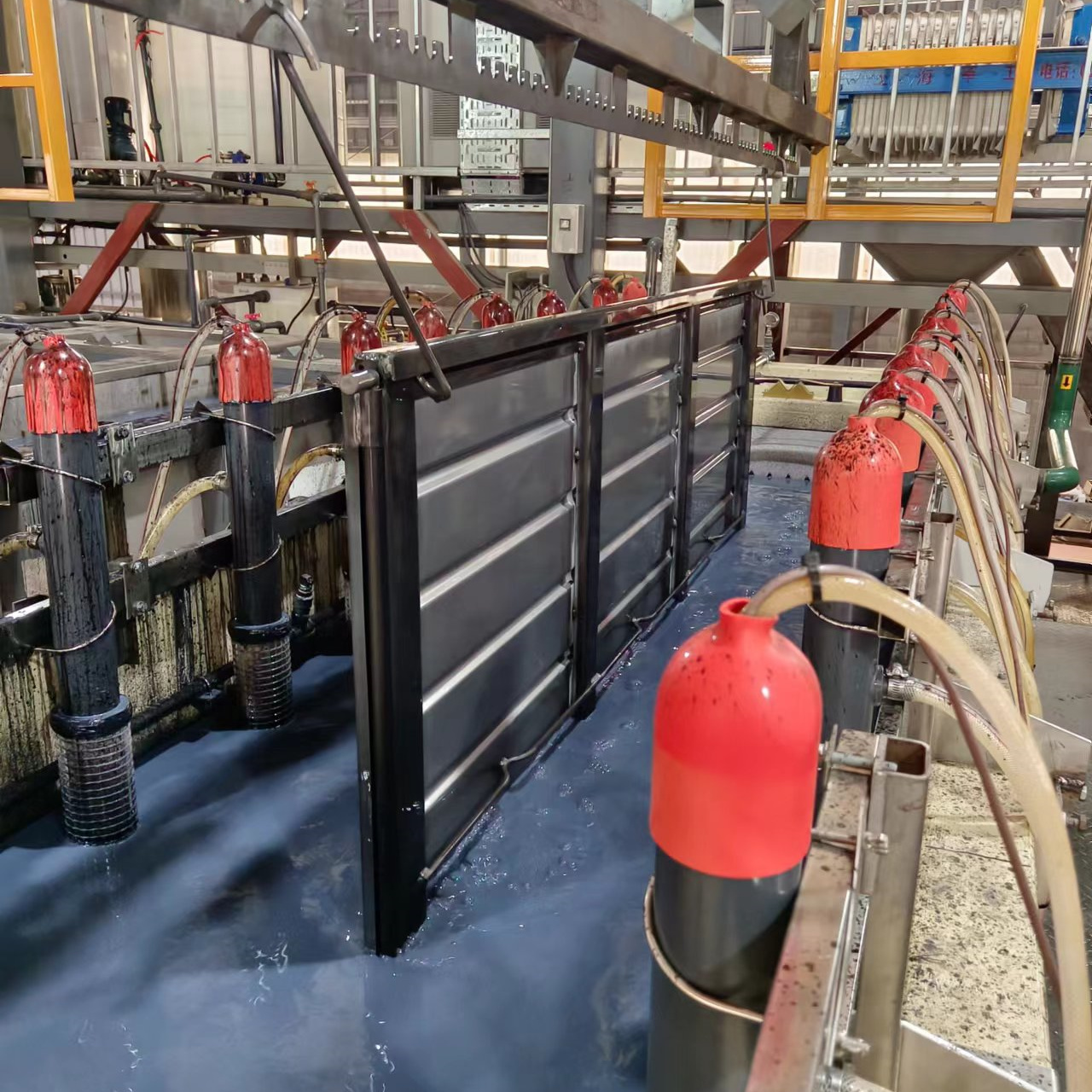
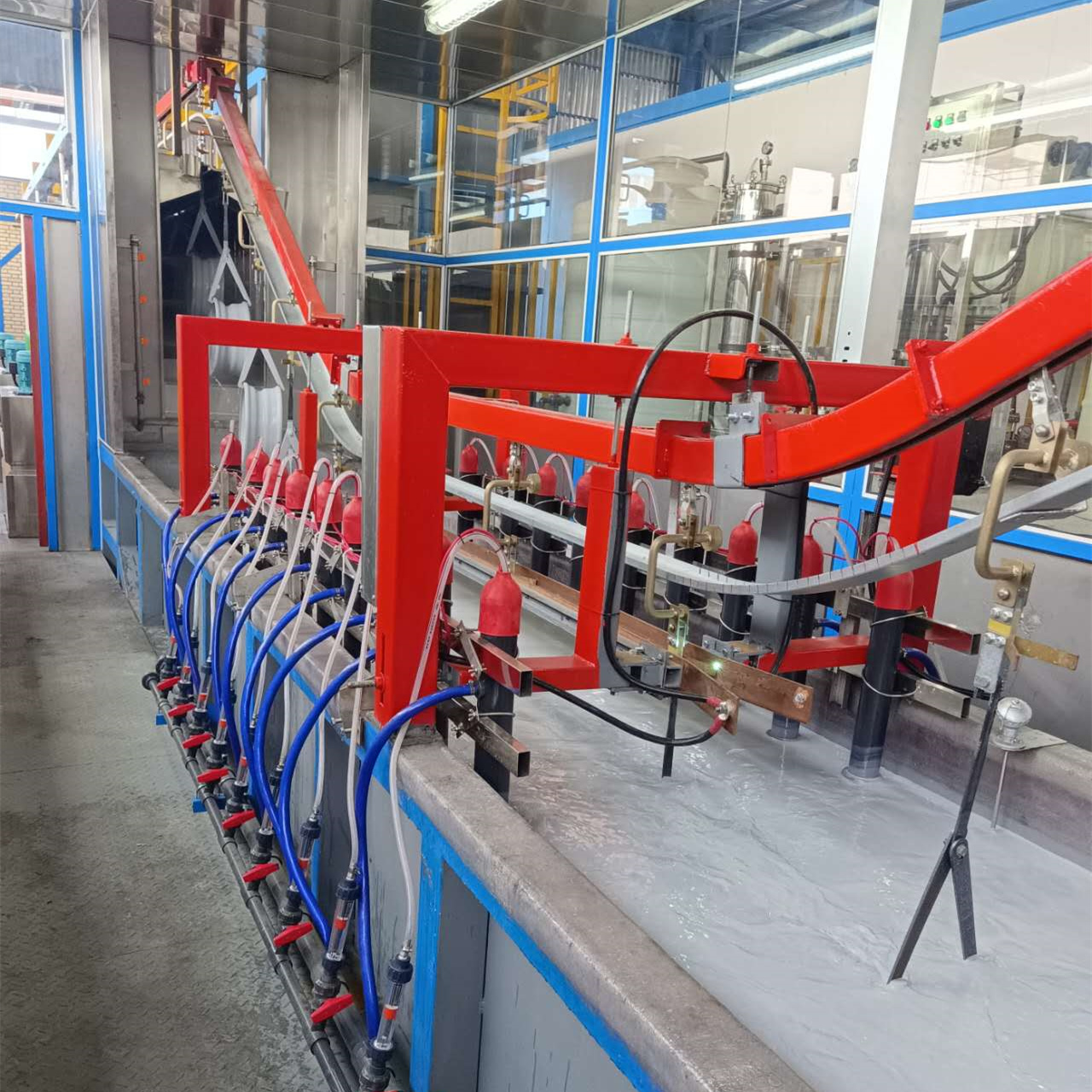
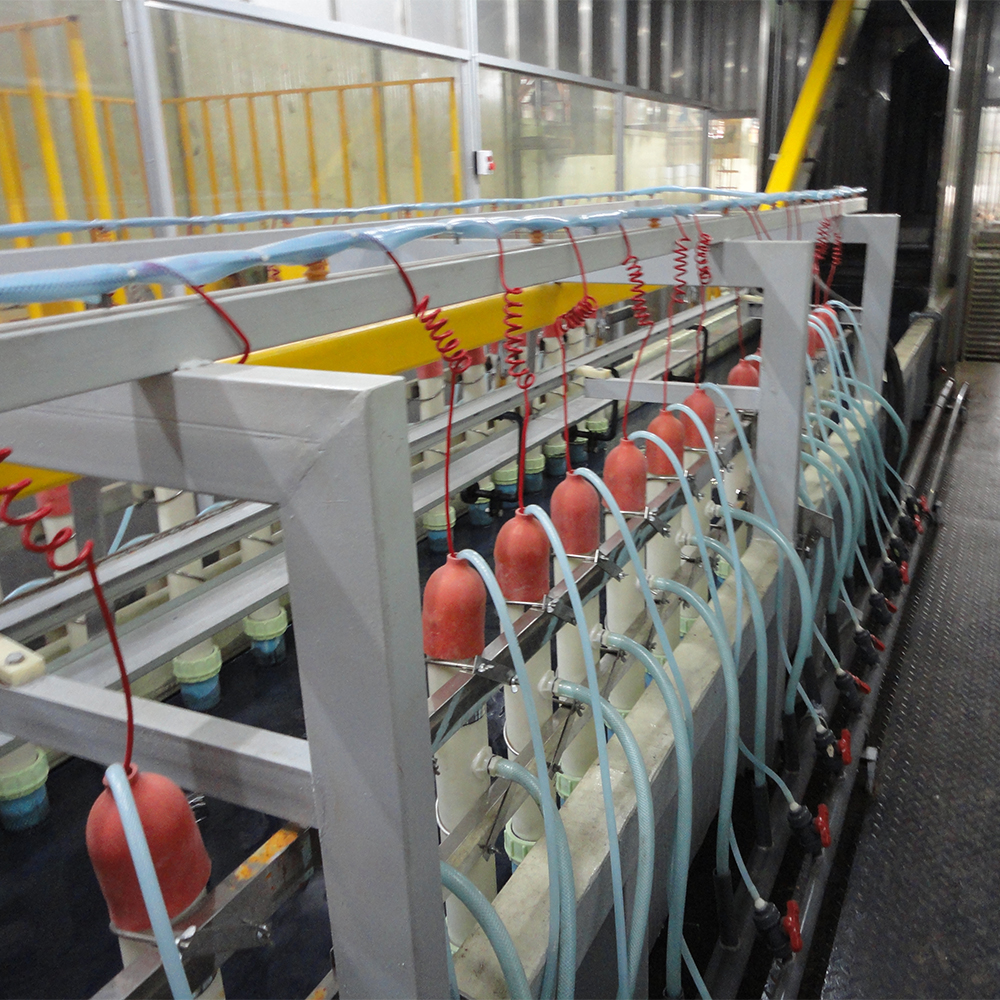
The electrophoresis anode system is a critical component that maintains chemical balance during the e-coating process. Using ion-selective membranes and controlled circulation, it prevents ion imbalance, ensuring stable operation, high coating quality, and long-term efficiency of electrophoretic coating systems.
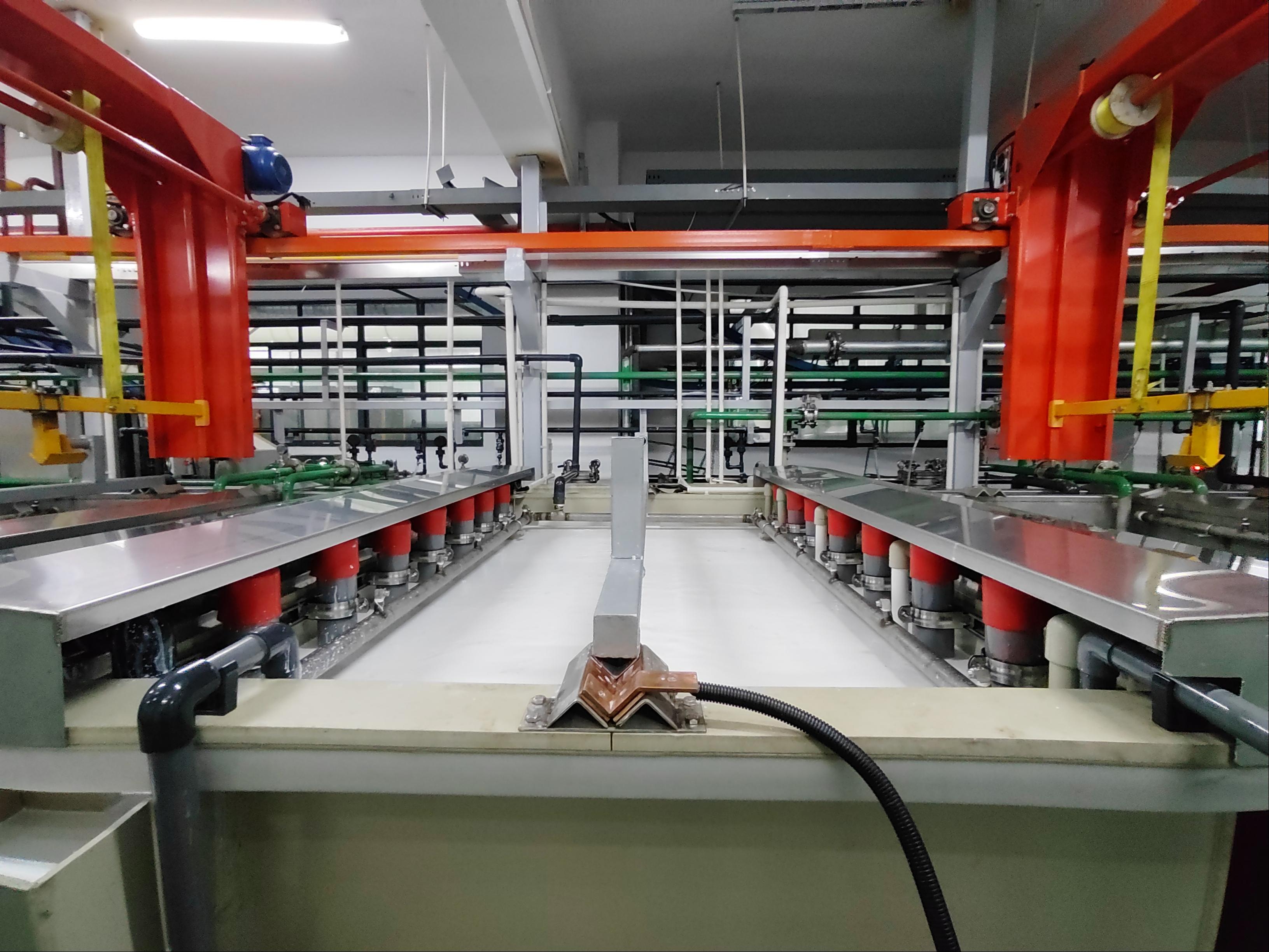
The electrophoresis anode system is an indispensable key component of the electrophoresis coating process. Its core function is to serve as the anode in the electrophoresis circuit, complete the current loop, and maintain the chemical balance of the electrophoresis tank solution (particularly neutralizing the excess acid ions generated by the electro-deposition reaction in the tank solution).
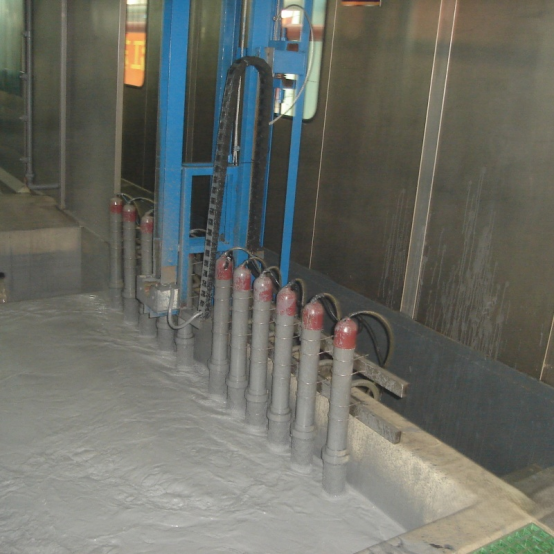 |
| Electrophoresis anode system |
In cathodic electrophoresis coating (the most widely used form today):
1.The workpiece is the cathode: positively charged paint resin particles move toward the cathode (workpiece) under the influence of an electric field and deposit and cure on its surface to form a paint film.
2.Electrochemical reactions: The primary reaction occurring at the cathode (workpiece) is the electrolysis of water to produce hydrogen gas and hydroxide ions.
3.Excess acid production: Resin particles in the coating typically contain carboxyl groups. During deposition on the cathode (workpiece), to maintain charge balance, the resin particles must bind with positively charged amine neutralizers (such as organic amines). After the resin is deposited on the workpiece, these amine neutralizers (positively charged cations) are released back into the bath solution. These free amines react with water in the bath solution to form ammonium ions and hydroxide ions, causing the pH of the bath solution to rise. More importantly, the carboxylate ions (negatively charged anions) inherent in the resin are “left behind” in the bath solution during the deposition process.
4.Maintaining balance: If left uncontrolled, negatively charged acid anions (such as acetate anions, formate anions, etc.) in the bath solution will continue to accumulate, leading to:
Abnormal increase in conductivity: Affecting penetration and coating quality.
pH imbalance: Affecting the stability and solubility of resin particles.
Deterioration of coating performance: Potentially causing issues such as pinholes, roughness, and poor flow.
Destruction of bath stability: In severe cases, this may cause resin precipitation and sedimentation.
A typical electrophoretic anode system primarily consists of the following components:
1.Anode:
1.1Material: Typically made of corrosion-resistant, highly conductive inert materials such as stainless steel (316L is common) or titanium (more corrosion-resistant, longer lifespan, but higher cost). Titanium anodes are sometimes coated with a layer of precious metal oxides (such as iridium-tantalum oxide) to further enhance conductivity and durability.
1.2Shape: Common types include plate-shaped anodes and tubular (or box-shaped) anodes. Tubular/box-shaped anodes are more commonly used because they can accommodate anode solution internally.
1.3 Function: Directly connected to the positive terminal (+) of the power source, serving as part of the current circuit, where oxidation reactions occur on the anode surface.
2.Anode Cell/Anode Chamber:
2.1Structure: This is a compartment surrounding the anode, typically made of chemically resistant insulating materials such as PVC or PP. The anode is completely sealed within this cover.
Key Components: The key component of the anode cover is the ion-selective permeable membrane (Ion-Selective Membrane).
2.2Material: Typically a cation exchange membrane.
2.3Function: This membrane allows positively charged ions (such as H⁺and ammonium ions NH₄⁺) to pass through while blocking negatively charged ions (such as paint resin particles, pigment particles, and acetate ions CH₃COO⁻) and larger molecules. This ensures that only the cations requiring neutralization enter the anode chamber to participate in the reaction, while protecting the anode from paint contamination and preventing paint deposition on the anode.
2.4Internal Liquid: The anode cover is filled with anolyte (typically ultrafiltration permeate UF Permeate or deionized water, sometimes with a small amount of acid added to maintain conductivity). This is physically isolated from the external tank solution.
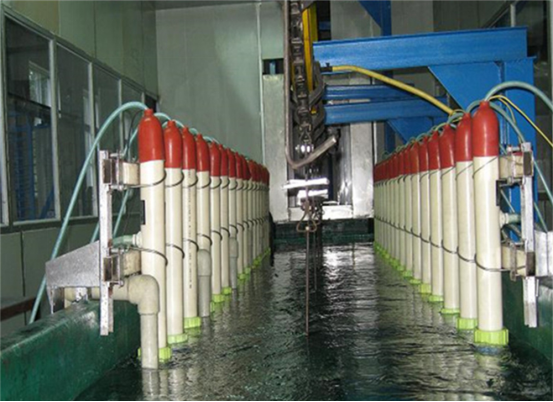 |
| Electrophoresis anode system |
1. Components
Includes a circulation pump, pipes, flow meter, storage tank (if applicable), conductivity meter, pH meter (if applicable), and heat exchanger (if temperature control is required).
2. Functions
2.1 Circulation
Continuously pumps anolyte into the anode housing, flows over the anode surface, and recirculates it back to the system.
2.2 Conductivity
Provides a conductive medium to ensure electrical current can pass through the anolyte to the anode.
2.3 Removal of Reaction Products
Removes acids and gases (mainly oxygen) generated on the anode surface from the anode chamber.
2.4 Concentration Control
Monitors anode solution conductivity (reflecting acid concentration). When conductivity is too high, part of the high-acid solution is discharged and replenished with fresh ultrafiltration liquid or deionized water to maintain proper concentration and conductivity.
3. Power Connection
3.1 Connect the positive terminal (+) of the DC power supply to each anode via busbars or cables.
3.2 Ensure all electrical connections are secure, conductive, and properly insulated.
4. Conductivity / Concentration Control System
4.1 Real-time monitoring of anode solution conductivity using an online conductivity sensor.
4.2 Automatically controls drainage and replenishment based on preset conductivity limits to maintain stable system operation.
5. Safety and Protection Devices
5.1 Grounding Protection: Ensures overall system safety.
5.2 Leakage Protection: Prevents electrical hazards.
5.3 Liquid Level Control: Prevents dry burning of the anode cover and protects membranes and anodes.
5.4 Flow Monitoring & Alarm: Ensures normal circulation and timely fault detection.
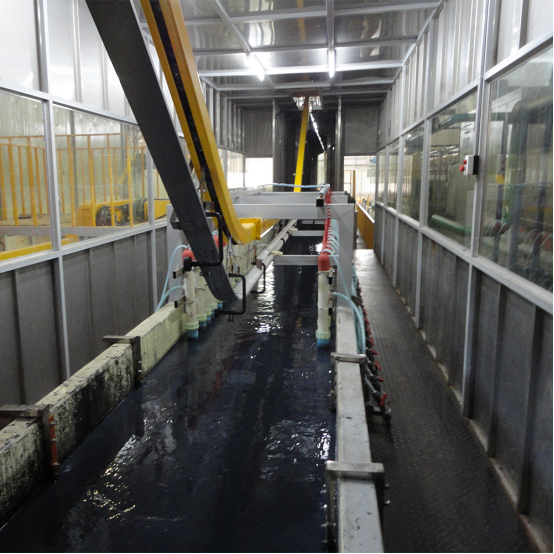 |
| Electrophoresis anode system |
Electrophoresis anode systems are widely used in industries that employ cathodic electrophoresis coating processes, particularly in the following areas:
1.Automotive industry: Bodywork, chassis, and primer for components.
2.Home appliance industry: Refrigerators, washing machines, air conditioners, and other housings.
3.Hardware and building materials: Aluminum profiles, steel furniture, door and window fittings, etc.
4.Agricultural and construction machinery

Copyright © 2025 Yangzhou OURS Machinery Co., Ltd.All rights reserved. - Privacy policy
 EN
EN