
 EN
EN
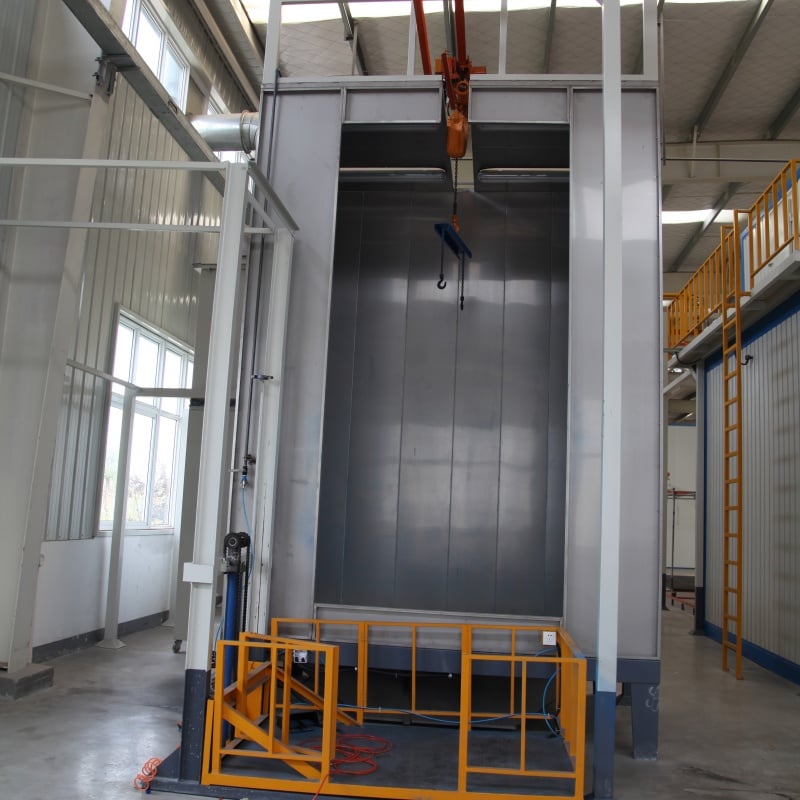
A well-designed spray booth is the foundation of any efficient powder coating operation. The way you configure your spray booth directly impacts overspray recovery, air quality, operator safety, and coating material waste. Understanding how to optimize spray booth design ensures that your facility captures maximum overspray, reduces material costs, and maintains compliance with environmental regulations. This article explores the critical elements of spray booth design that drive operational efficiency and sustainable coating practices.
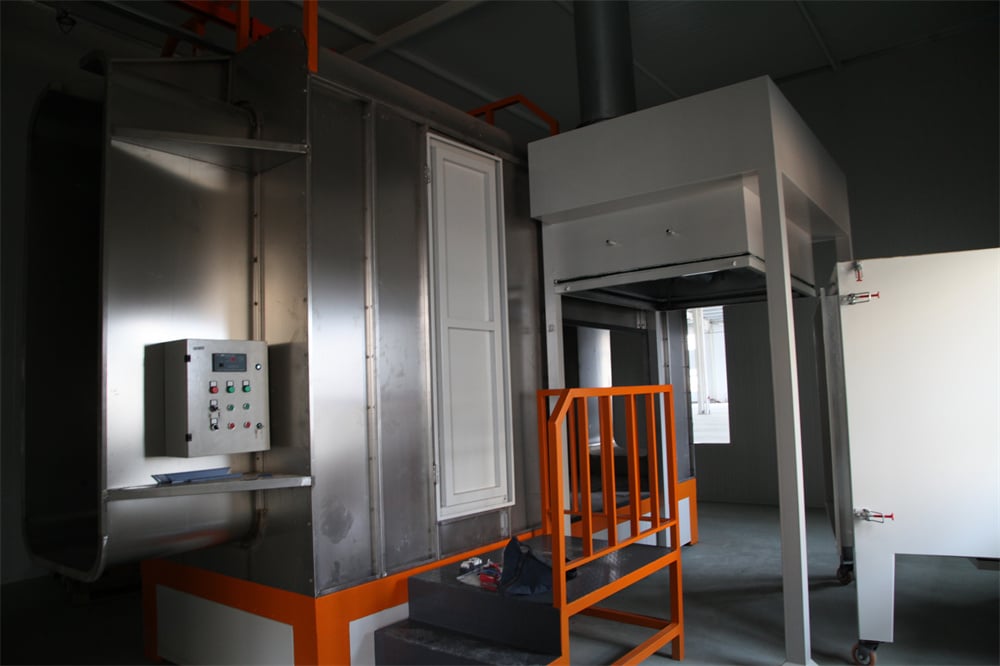
The spray booth is more than just an enclosed space where coating is applied. It is a precisely engineered system that manages airflow, contains overspray particles, and recovers unused powder for reuse. Modern spray booth design balances ventilation requirements, material recovery efficiency, and energy consumption. Manufacturers and coating facilities that invest in proper spray booth configuration experience significantly lower material costs, improved air quality for workers, and faster production cycles.
Core Elements of Spray Booth Architecture
Airflow Management and Booth Layout
Proper airflow is essential for any effective spray booth. The spray booth must create a controlled environment where overspray particles are captured before they escape into the facility. Laminar or turbulent airflow patterns within the spray booth determine how efficiently particles are directed toward recovery systems. A well-designed spray booth uses intake filters and exhaust filtration to establish consistent air movement from the work area toward collection zones. The spray booth layout should position the spray gun operator for optimal visibility and access while maintaining safe distance from moving equipment.
Material Recovery Systems Integration
The spray booth's overspray recovery system is the heart of material efficiency. Most modern spray booth designs incorporate cyclone separators, cartridge filter collectors, or electrostatic precipitators to capture unused powder. The spray booth configuration must allow recovered material to flow smoothly into storage bins without blockages or air leaks. Integration of the recovery system with the spray booth creates a seamless cycle where overspray particles are collected, filtered, and made available for reuse. This closed-loop approach within the spray booth minimizes waste and reduces the frequency of material purchases.
Design Strategies for Maximum Overspray Recovery
Booth Geometry and Capture Efficiency
The physical shape and dimensions of your spray booth directly affect capture efficiency. A spray booth designed with proper depth, width, and height ensures that overspray particles remain suspended long enough to be directed toward collection zones. Booth walls should be positioned to create predictable particle trajectories; if the spray booth is too shallow, particles escape before capture. If the spray booth is too wide, airflow velocity decreases and capture drops. Many facilities achieve 90% or higher recovery rates by aligning spray booth geometry with the specific powder coating materials and application methods they use.
Filtration and Separation Technology
Advanced spray booth filtration technologies determine how much powder is recovered versus discarded. Cartridge filters inside the spray booth collection chamber remove fine particles while allowing air to pass through. The spray booth cartridge filter must be sized appropriately; undersized filters clog quickly and reduce airflow, while oversized filters waste space and cost. Many modern spray booth designs use staged filtration, where primary cyclones handle larger particles and secondary cartridge filters capture fine dust. This multi-stage approach maximizes recovery within the spray booth while maintaining consistent air pressure and suction throughout the system.
Operational Efficiency and Maintenance Considerations
Accessibility and Cleaning in Spray Booth Operations
A spray booth designed for easy access and maintenance reduces downtime and extends equipment life. Internal spray booth surfaces should be smooth and sloped to prevent powder accumulation in corners or crevices. Quick-access panels in the spray booth allow operators to inspect and clean filter cartridges without breaking down the entire system. Regular maintenance of the spray booth, including filter replacement and wall cleaning, keeps the system running at peak efficiency. Facilities that schedule routine spray booth maintenance experience consistent overspray recovery rates and fewer operational disruptions.
Energy Efficiency and Booth Ventilation
Ventilation strategy significantly impacts both the spray booth's performance and facility energy costs. Supply air intake dampers in the spray booth should be adjustable to match current production conditions; excessive ventilation wastes energy while insufficient ventilation allows overspray to escape. A smart spray booth design uses variable frequency drives (VFDs) on exhaust fans to adjust airflow based on real-time booth conditions. Insulation and thermal management in the spray booth help maintain consistent air temperature, which affects powder electrostatic properties and coating quality. Energy-conscious spray booth operation reduces utility costs while maintaining environmental compliance.
FAQ
What is the ideal airflow velocity inside a spray booth?
Most industrial spray booth designs target airflow velocities between 100 and 150 feet per minute at the work face. This velocity range captures overspray effectively without creating turbulence or causing powder clouds to escape the spray booth. The specific velocity for your spray booth depends on the powder type, application method, and booth dimensions. Too-high velocity can displace particles unpredictably, while too-low velocity allows particles to settle in unwanted areas rather than being collected by the spray booth recovery system.
How often should spray booth filters be replaced?
Filter replacement frequency in a spray booth depends on production volume, powder type, and filter cartridge capacity. Most facilities change spray booth cartridge filters every 1 to 3 months during regular operation. High-volume powder coating operations may need more frequent replacement, while lower-volume facilities can extend intervals. The spray booth filter condition should be monitored using pressure gauges; when pressure drop increases significantly, it signals that the spray booth filter is saturated. Waiting too long to replace spray booth filters reduces recovery efficiency and increases system strain.
Can a spray booth design accommodate multiple coating materials?
Yes, a well-designed spray booth can handle different powder coating materials with minor adjustments. The spray booth must have sufficient airflow capacity for the highest-volume material used, and the recovery system should accommodate varying particle sizes. Some spray booth operations use modular cartridge filters sized for different powder types, allowing quick changes between materials. Changeover procedures in the spray booth, such as clearing residual powder and adjusting electrostatic settings, ensure that different materials do not cross-contaminate. A flexible spray booth design reduces setup time and increases production versatility.