
 EN
EN
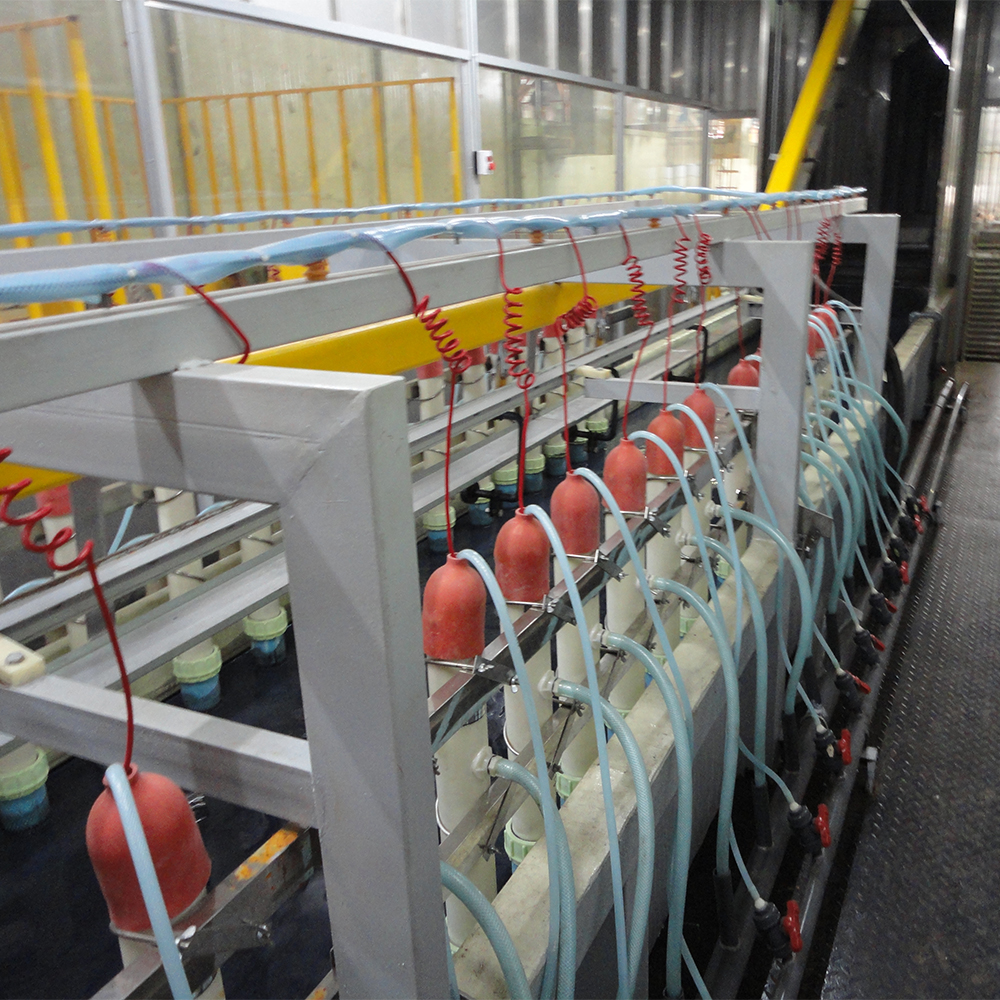
The quality of any powder coating application depends fundamentally on the equipment used to cure and apply the coating. A powder coating oven and spray booth work together as an integrated system that directly influences coating adhesion, durability, appearance, and production throughput. Without proper understanding of how these components function and interact, manufacturers often experience defects ranging from incomplete curing to uneven finish quality. This article explores the critical relationship between powder coating oven and spray booth performance and the final coating quality that customers receive.
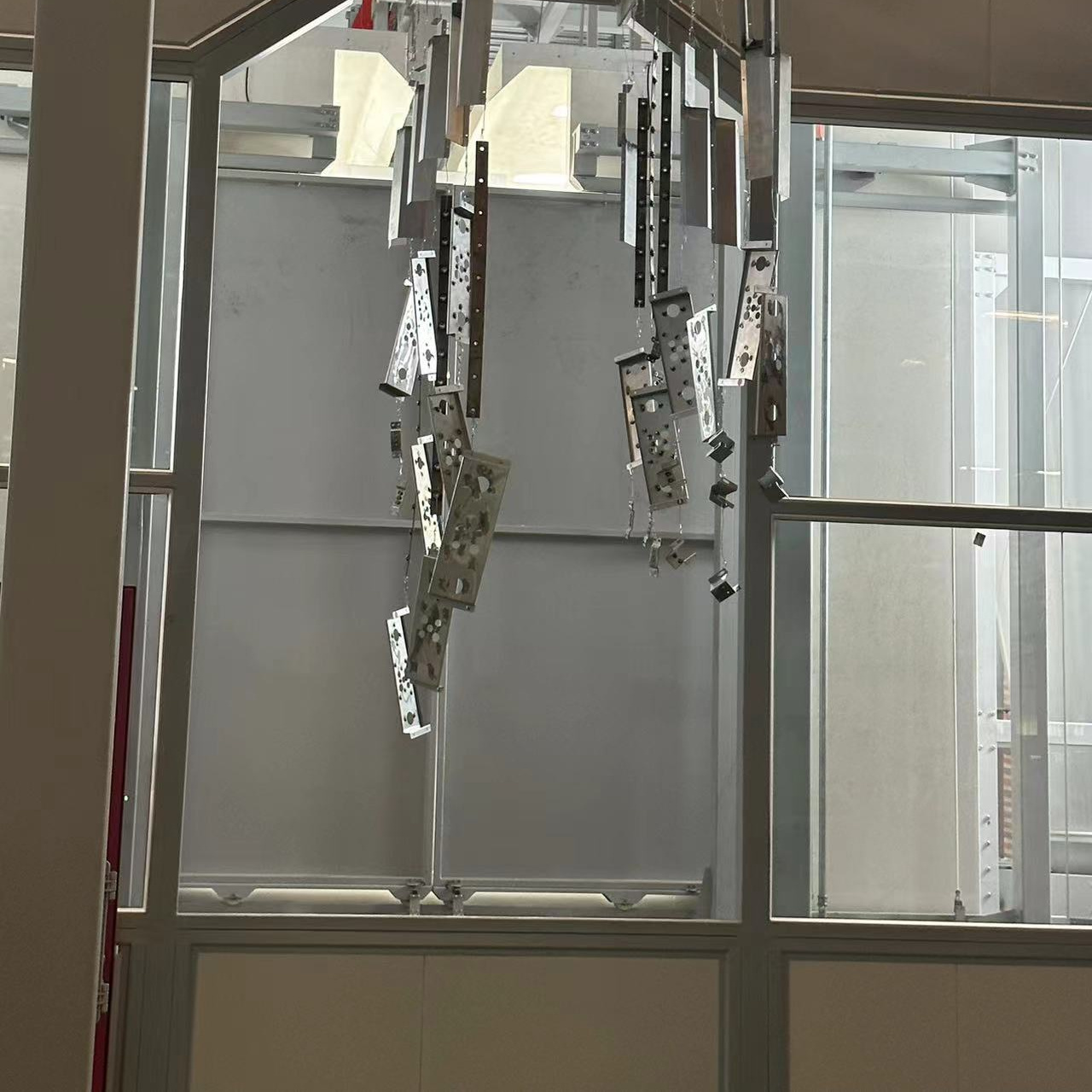
Understanding how a powder coating oven and spray booth affect coating quality requires examining both the spray deposition stage and the thermal curing stage. The spray booth controls particle velocity, material distribution, and film thickness uniformity, while the powder coating oven ensures proper cross-linking and molecular bonding of the powder particles. Together, these systems determine whether a coating meets specification for hardness, gloss retention, chemical resistance, and mechanical durability.
Thermal Curing and Cross-Linking in the Powder Coating Oven
Temperature Control and Cure Schedule
The powder coating oven operates at precise temperatures to initiate and complete the cross-linking reaction that hardens the powder coating. Most industrial powder coating oven systems cure polyester, polyurethane, and epoxy powders between 350°F and 400°F, depending on formulation. Insufficient temperature in a powder coating oven results in incomplete cross-linking, producing soft, tacky coatings that fail adhesion and scratch resistance tests. Conversely, excessive temperature can degrade resin chemistry and create brittleness. A properly calibrated powder coating oven maintains temperature uniformity within ±10°F across the entire cure chamber, ensuring consistent molecular bonding throughout the workload.
Dwell Time and Residence Duration
The residence time inside a powder coating oven directly correlates with coating hardness and chemical resistance. Parts that spend insufficient time in a powder coating oven and spray booth system exit before full cross-linking, leading to reduced solvent resistance and lower gloss development. Industry standards recommend that parts remain in a powder coating oven for a minimum of 10 to 15 minutes at peak metal temperature, depending on coating type and part thickness. Thicker sections or complex geometries require longer residence in the powder coating oven to achieve uniform cure throughout. Optimizing dwell time in a powder coating oven prevents both undercure defects and energy waste from excessive heating.
Spray Booth Performance and Film Deposition Quality
Particle Velocity and Electrostatic Efficiency
The spray booth component of a powder coating oven and spray booth system controls how evenly powder particles reach the substrate surface. Electrostatic guns in a spray booth accelerate particles to optimize charge transfer and substrate adhesion. If spray booth velocity is too low, particles drift unpredictably and coating coverage becomes uneven. If velocity is excessive, particles may bounce off the substrate or create dust clouds that reduce coating density. A properly tuned spray booth within a powder coating oven and spray booth facility achieves particle velocities between 80 and 120 feet per second, maximizing transfer efficiency and minimizing powder waste. This efficiency directly influences the final coating thickness and appearance quality that enters the powder coating oven for curing.
Film Thickness Uniformity and Coverage
The spray booth section of a powder coating oven and spray booth system determines whether coating thickness remains consistent across all part surfaces. Faraday cage effects and electrostatic shielding in recesses can create thin spots if the spray booth lacks proper booth design and gun placement. A well-designed spray booth within a powder coating oven and spray booth installation positions electrodes and guns to reach internal cavities and edges uniformly. Inconsistent film thickness from poor spray booth performance leads to differential curing in the powder coating oven, where thin areas may undercure while thick areas cure at normal rates. This variation results in mixed quality within a single part batch, reducing customer satisfaction and increasing rework costs.
Integration and Environmental Control in Combined Systems
Humidity and Contamination Effects on Coating Quality
A complete powder coating oven and spray booth system must control ambient humidity and contaminants that affect both spray deposition and curing. Moisture in a spray booth can cause powder particles to agglomerate, reducing transfer efficiency and creating defects like dustiness or crawling. High humidity entering the powder coating oven can trap gases beneath the coating surface, producing outgassing defects and surface roughness. Industrial powder coating oven and spray booth facilities typically maintain humidity between 30% and 50% to prevent these issues. Adequate filtration in both the spray booth air intake and the powder coating oven inlet ensures that dust, lint, and foreign particles do not embed in the coating during spray or cure stages, maintaining premium surface finish quality.
Production Throughput and Consistency
Modern powder coating oven and spray booth systems integrate conveyor speed, temperature ramp profiles, and cooling zones to maintain consistent quality while maximizing production efficiency. A slower conveyor allows thorough electrostatic charging and powder settling in the spray booth but increases cycle time, while faster speeds reduce dwell in the powder coating oven and risk undercure. Experienced operators synchronize spray booth parameters with powder coating oven residence time to balance quality and throughput. Real-time temperature monitoring in the powder coating oven prevents thermal excursions that degrade coating properties. This integration between spray booth atomization and powder coating oven curing determines whether a facility can achieve high-volume production without sacrificing coating durability or appearance.
FAQ
What happens if the powder coating oven and spray booth are not properly calibrated together?
Misalignment between spray booth and powder coating oven settings creates a cascade of quality failures. If the spray booth deposits too much powder but the powder coating oven temperature is insufficient, parts exit with thick, undercured coatings that fail adhesion and hardness tests. Conversely, if the spray booth applies thin film but the powder coating oven is too hot, coatings become brittle and prone to cracking. Without coordinated calibration between the spray booth and powder coating oven, batch-to-batch variability increases, rework becomes frequent, and customer complaints about coating durability rise significantly.
How does part geometry affect powder coating oven and spray booth performance?
Complex part geometries with deep recesses or thin walls challenge both spray booth coverage and powder coating oven curing uniformity. The spray booth may struggle to reach interior surfaces with consistent powder charge, while the powder coating oven may cure thin sections faster than thick sections due to thermal conductivity differences. A properly designed powder coating oven and spray booth system accounts for part geometry through optimized gun placement, higher spray booth dwell time, and longer residence in the powder coating oven for complex parts. Fixture design and part orientation within the powder coating oven also influence thermal distribution, making geometry an critical factor in quality control.
Can upgrading only the powder coating oven or only the spray booth improve coating quality?
Upgrading either component in isolation yields limited benefits because powder coating oven and spray booth performance are interdependent. A new high-precision powder coating oven cannot compensate for a spray booth that deposits uneven film thickness. Similarly, an advanced spray booth with superior electrostatic control cannot overcome inadequate temperature or dwell time in an aging powder coating oven. Maximum coating quality improvement requires balanced investment in both systems, ensuring the powder coating oven and spray booth work together at optimized parameters. Facility managers should evaluate both components together when planning upgrades to achieve meaningful quality gains and justify capital expenditure.