 EN
EN
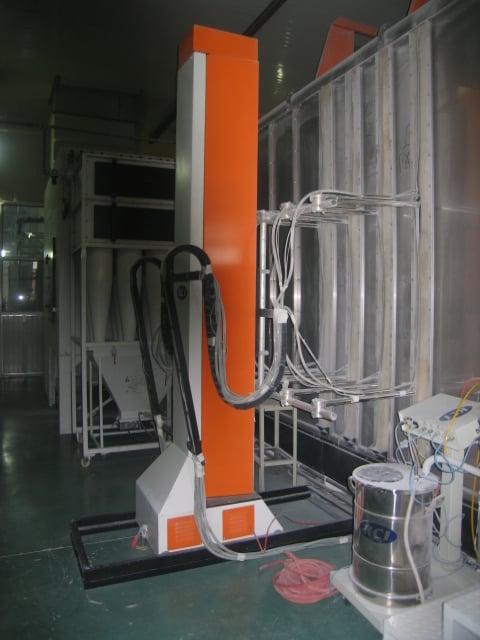
Selecting between a gas-fired and electric powder coating oven and spray booth system represents one of the most significant operational decisions for finishing facilities. This choice directly impacts energy consumption, production speed, coating quality, and long-term maintenance costs. Understanding the strengths and limitations of each technology allows facility managers and operators to align their curing infrastructure with specific production demands, regulatory requirements, and budget constraints. Both gas and electric systems deliver reliable results, but each excels in different scenarios and operational environments.
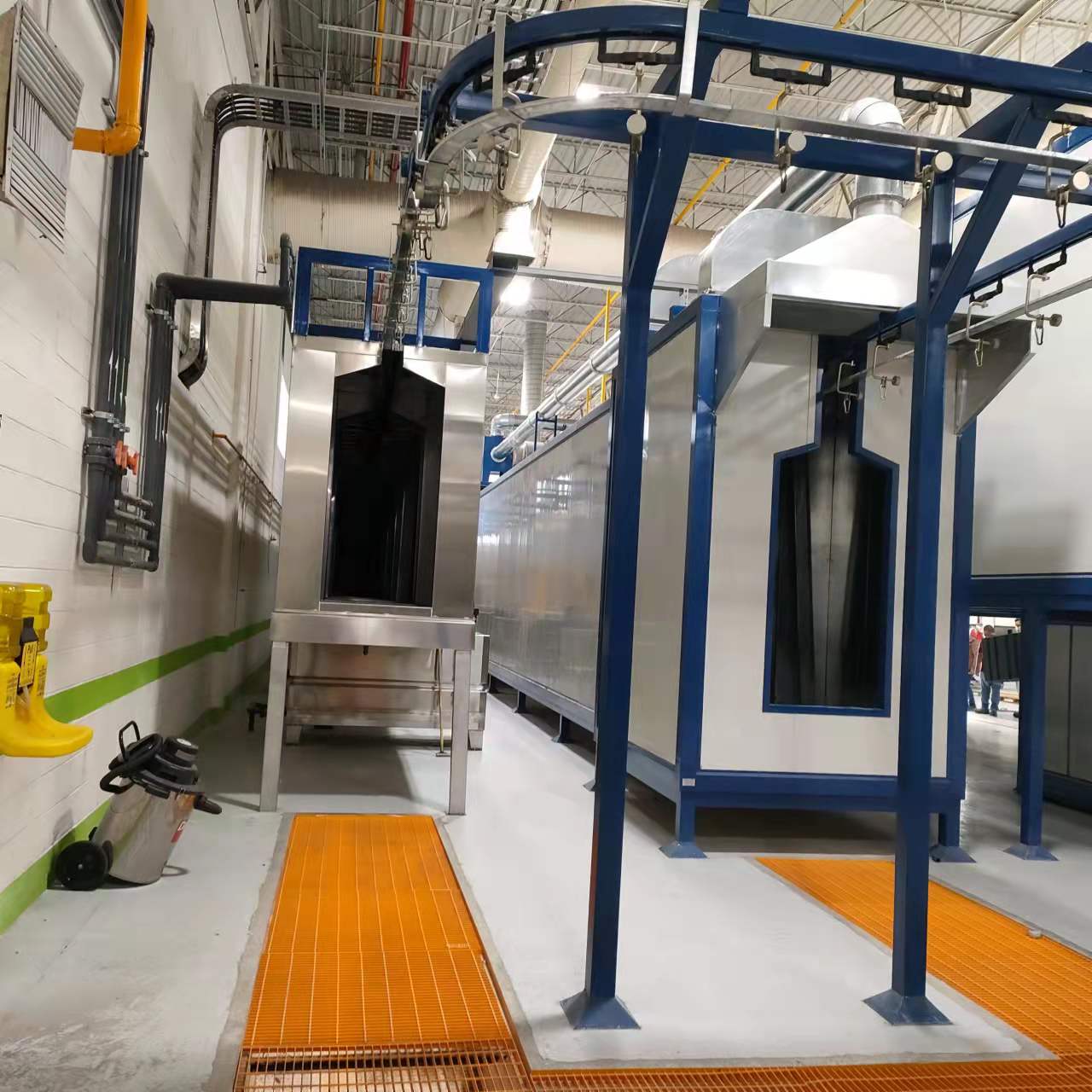
A powder coating oven and spray booth integrated system forms the backbone of modern finishing operations. The curing oven transforms applied powder into a durable, protective coating through controlled heating, while the spray booth applies the powder with precision and consistency. Evaluating whether gas or electric technology best fits your facility requires understanding how each fuel source influences heating efficiency, temperature control, environmental impact, and operational economics within the context of your complete powder coating oven and spray booth setup.
Energy Efficiency and Operating Costs
Gas-Fired Powder Coating Oven and Spray Booth Systems
Gas-fired powder coating oven and spray booth installations typically demonstrate lower per-unit energy costs when natural gas prices remain stable and competitive in your region. These systems rapidly achieve curing temperatures by burning fuel directly in the heating chamber, creating high thermal efficiency during active production runs. However, a gas-based powder coating oven and spray booth system requires continuous venting to manage combustion byproducts, which can lead to heat loss and increased energy consumption in facilities with poor insulation or high ambient temperatures.
Operating a powder coating oven and spray booth with gas technology demands regular maintenance of burner components, pilot lights, and ignition systems. These maintenance intervals add hidden costs that extend beyond fuel consumption. Gas systems also face exposure to fuel price volatility, making budget forecasting unpredictable for operations running multiple shifts or high-volume production schedules. Despite these considerations, many manufacturers choose gas-fired powder coating oven and spray booth configurations when baseline operating costs take priority over predictability.
Electric Powder Coating Oven and Spray Booth Performance
Electric-powered powder coating oven and spray booth systems deliver precise temperature control and superior energy consistency compared to gas alternatives. Resistance heating elements or infrared systems provide stable, adjustable heat output that responds quickly to process adjustments, making electric powder coating oven and spray booth technology ideal for operations requiring exact cure specifications and minimal temperature fluctuation. While electricity costs vary by region and utility rates, electric systems avoid fuel price volatility and reduce fuel procurement complexity for your powder coating oven and spray booth operation.
An electric powder coating oven and spray booth system requires minimal routine maintenance, featuring no combustion components, burners, or pilot light mechanisms that demand regular servicing. This operational simplicity translates into lower long-term maintenance expenditures and reduced downtime risk for your powder coating oven and spray booth. Additionally, electric powder coating oven and spray booth technology operates with exceptional cleanliness, eliminating combustion residue that can contaminate coating surfaces and compromise finish quality in sensitive applications.
Temperature Control and Coating Quality
Precision in Gas-Fired Powder Coating Oven and Spray Booth Setup
Gas-fired powder coating oven and spray booth systems achieve excellent heating speed but face inherent challenges in maintaining tight temperature tolerances throughout the curing cycle. Combustion-based heat generation creates temperature stratification, where upper chamber zones run hotter than lower zones, potentially causing uneven cure conditions across parts loaded on a powder coating oven and spray booth conveyor. Modern control systems mitigate this issue through variable burner firing rates and advanced circulation fans, yet some operational variation remains inherent to gas-based powder coating oven and spray booth technology.
A powder coating oven and spray booth operating on gas technology must balance rapid warm-up speed against thermal stability during sustained production. Parts entering a gas-powered powder coating oven and spray booth experience initial thermal shock as they transition from room temperature into high-heat zones, potentially affecting certain powder formulations sensitive to heating rates. Coating specifications requiring gradual temperature ramping or precise soak periods demand careful calibration in gas-based powder coating oven and spray booth systems.
Precision in Electric Powder Coating Oven and Spray Booth Setup
Electric powder coating oven and spray booth installations excel at delivering uniform heat distribution and maintaining target temperatures with exceptional accuracy. Resistance elements or infrared banks distribute heat evenly throughout the chamber, eliminating hot spots and temperature gradients that compromise coating consistency. An electric powder coating oven and spray booth enables programmable temperature profiles that match exact coating requirements, allowing operators to implement custom cure cycles for specialized powder formulations without manual adjustment.
Precision temperature management in an electric powder coating oven and spray booth directly translates into superior coating adhesion, hardness, and gloss development. Parts processed through an electric powder coating oven and spray booth experience consistent thermal treatment that fully develops coating properties and ensures batch-to-batch uniformity. This advantage becomes especially valuable when coating high-value components where finish quality directly impacts product performance and customer satisfaction with your powder coating oven and spray booth output.
Environmental Impact and Regulatory Compliance
Emissions and Air Quality in Powder Coating Oven and Spray Booth Operations
Gas-fired powder coating oven and spray booth systems generate combustion emissions including nitrogen oxides and carbon dioxide, requiring proper venting to prevent indoor air quality degradation and regulatory violations. Facilities operating a powder coating oven and spray booth with gas technology must invest in emission control infrastructure and monitoring systems to maintain compliance with local air quality standards. In regions with stringent environmental regulations, a powder coating oven and spray booth gas system may face operational restrictions during high pollution episodes or require costly emission reduction technologies.
Electric powder coating oven and spray booth technology produces zero combustion emissions, representing a significant environmental advantage for facilities located in air-quality-sensitive areas or regions with strict pollution controls. Installing an electric powder coating oven and spray booth allows operations to meet sustainability goals without adding complex emission management systems. For facilities prioritizing environmental stewardship and compliance risk reduction, an electric-powered powder coating oven and spray booth delivers cleaner operations and simplified regulatory adherence.
Energy Source and Long-Term Sustainability
The sustainability profile of a powder coating oven and spray booth depends partly on your regional electricity grid composition. Facilities where electricity comes predominantly from renewable sources gain substantial environmental benefits from an electric powder coating oven and spray booth. Conversely, gas-powered powder coating oven and spray booth systems remain competitive in regions where natural gas dominates energy infrastructure and renewable electricity carries premium pricing.
Future regulatory trends increasingly favor clean energy adoption, making an electric powder coating oven and spray booth a more defensible long-term investment for facilities planning multi-year operations. As carbon pricing mechanisms expand and energy policies shift toward emissions reduction, electric-powered powder coating oven and spray booth technology positions operations for favorable compliance status and reduced regulatory vulnerability. Upgrading to an electric powder coating oven and spray booth represents forward-thinking infrastructure planning that protects operations against future environmental mandates.
FAQ
Which fuel type heats faster, gas or electric, in a powder coating oven and spray booth?
Gas-fired powder coating oven and spray booth systems typically reach target temperatures faster than electric systems due to direct combustion heat generation. However, modern electric powder coating oven and spray booth technology has narrowed this gap significantly, with high-capacity electric systems achieving sufficient warm-up times for most production schedules. The practical difference becomes negligible when comparing factory warm-up routines, where a powder coating oven and spray booth begins the shift with residual heat from previous operations.
Can a powder coating oven and spray booth system switch between gas and electric fuel sources?
Converting an existing powder coating oven and spray booth from gas to electric requires substantial mechanical and electrical modifications, making mid-life conversion impractical for most facilities. The heating element configurations, thermal insulation, and power infrastructure differ fundamentally between gas and electric powder coating oven and spray booth designs. Facilities uncertain about long-term fuel preferences should evaluate hybrid systems or plan for dedicated installations rather than attempting to retrofit a powder coating oven and spray booth after initial deployment.
What maintenance differences exist between gas and electric powder coating oven and spray booth systems?
Gas-based powder coating oven and spray booth systems require periodic burner servicing, flame testing, and combustion component inspection to maintain safety and efficiency. Electric powder coating oven and spray booth installations demand less frequent maintenance but may need heating element replacement if heavy use causes degradation. Both powder coating oven and spray booth types benefit from regular chimney or vent cleaning, insulation inspection, and control system calibration to ensure optimal long-term performance and coating quality.