 EN
EN
How an Electrostatic Powder Coating System Works
Core Components and Electrostatic Charging Principles
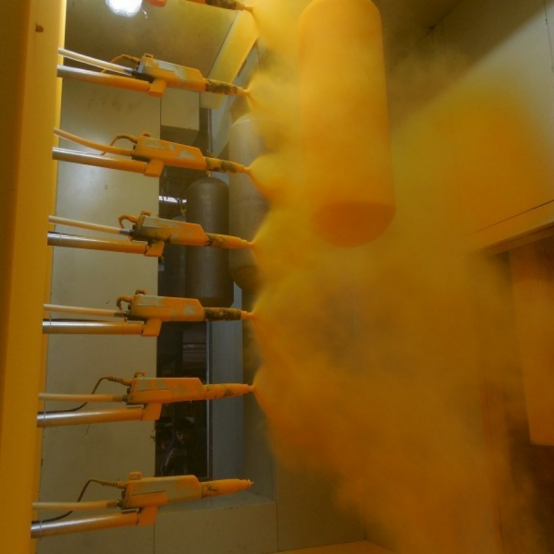
Electrostatic powder coating systems work because of three main parts: the powder feeder, the electrostatic spray gun, and the grounding setup. As these tiny powder particles go through the spray gun, they get a negative charge either from something called corona discharge or through friction between particles. At the same time, whatever surface we're coating becomes positively charged, creating this electric field that pulls the powder towards it. According to industry standards from 2023, this method actually transfers around 60 to 80 percent of the powder onto the part, which means way less waste compared to other methods. There's also something known as the Faraday cage effect at play here, where the charged particles manage to reach those tricky spots and corners that would otherwise be hard to coat evenly.
The Powder Application and Curing Process Flow
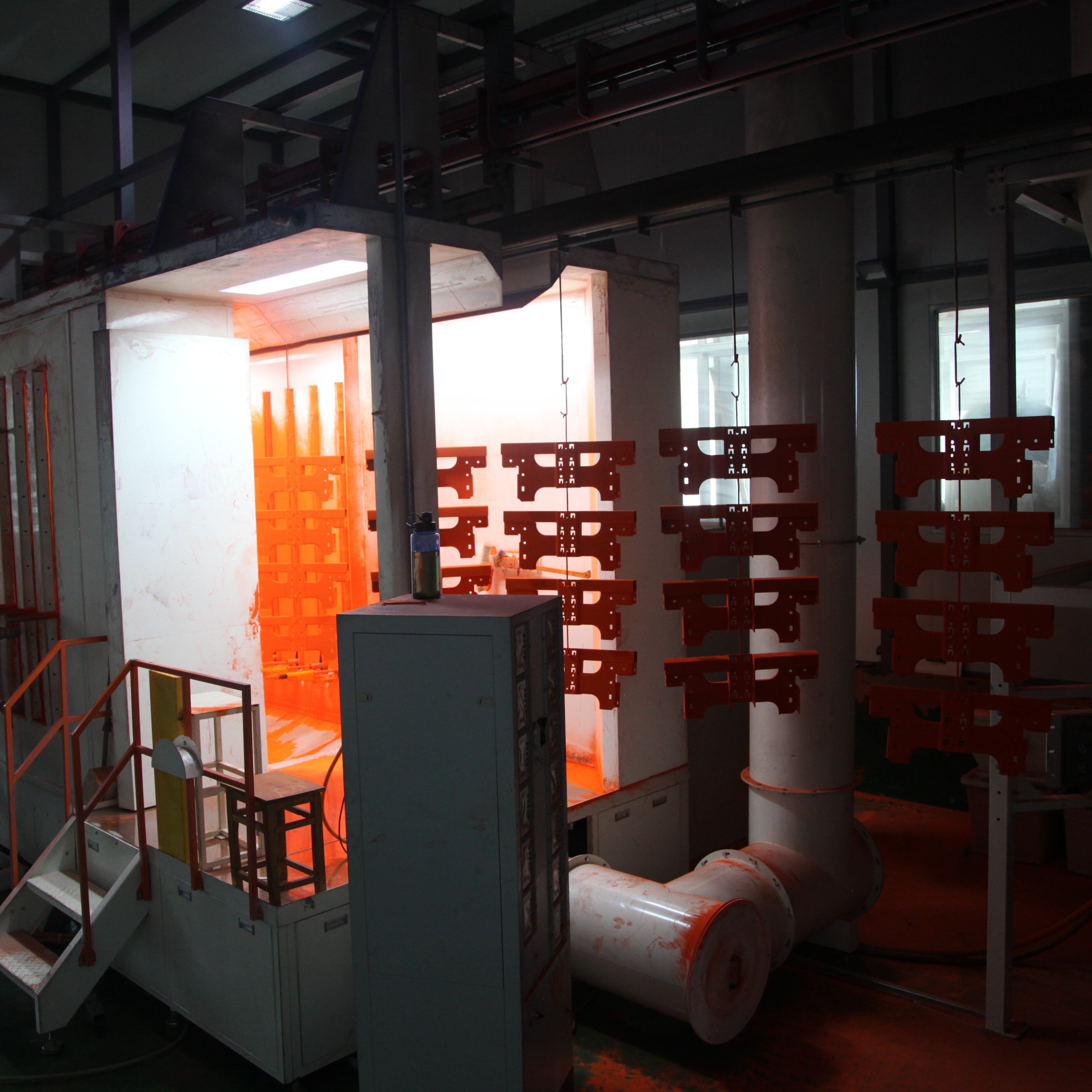
Once the parts have been prepped properly, they go into a closed off spray area where the powder gets stuck on them because it carries an electrical charge. Most of the time, the coating ends up being somewhere between 60 and 120 microns thick when measured after drying. Next stop for these coated items is the curing oven which runs anywhere from 180 to 200 degrees Celsius, that's about 350 to 390 Fahrenheit if we're talking Fahrenheit. Inside this hot environment, either thermoplastic materials or those special thermoset polymers start melting down, spreading out smoothly, and eventually forming strong bonds that create one solid layer across the surface. How long does all this take? Usually around 15 to 30 minutes give or take, but heavier parts naturally need more time in there. What makes this whole method stand out is that it creates coatings which can withstand impacts better than most other options, maintain their colors much longer, and resist chemicals far better than what comes out of traditional liquid paints.
Key Benefits of Electrostatic Powder Coating Systems
Environmental and Regulatory Advantages over Liquid Coating
Electrostatic powder coating gets rid of VOC emissions completely, which means it ticks all the boxes for regulations like the U.S. EPA's Clean Air Act requirements. When compared to those old solvent-based liquid coatings, there are simply no hazardous air pollutants generated here either. Plus, we don't end up with those pesky regulated waste streams that cost so much to dispose of properly. The numbers back this up too – material usage rates often go beyond 95%, according to industry reports from last year. That leaves almost nothing wasted as overspray. From an environmental standpoint, these efficiency gains really matter. Recent studies point out how electrostatic methods help manufacturers cut down their carbon footprint significantly across various industries worldwide.
Cost Efficiency, Transfer Rate, and Material Savings
Electrostatic coating systems can boost transfer efficiency by around half compared to traditional liquid coatings, which means manufacturers use significantly less powder material overall. When there's less overspray flying around the shop floor, waste drops somewhere between 30% and 50%. Getting rid of those solvent-based products also makes a big dent in annual expenses, saving anywhere from fifteen to forty thousand dollars just on one production line alone. The curing process is another major difference point. Powder coatings set in under fifteen minutes flat, whereas liquid paints need two to four hours to dry properly. This speed bump translates to about 25% better throughput rates, cutting down both labor demands and energy consumption per finished product. And let's not forget about long term savings either. Powder coated surfaces tend to last much longer before needing touch ups, often putting off recoating needs by three to five full years. According to research from the Ponemon Institute back in 2023, this extended durability actually reduces maintenance costs across the entire product lifecycle by approximately seven hundred and forty thousand dollars on average.
Selecting the Right Electrostatic Powder Coating System for Your Production Needs
The decision to go with manual versus automatic powder coating lines really comes down to three main factors: how much stuff needs coating, whether consistent results matter, and what kind of workforce is available. Manual setups cost less upfront and can handle small batches or special orders without too much hassle. But they depend entirely on workers who know what they're doing, which means quality can vary from one piece to another. On the flip side, automatic systems usually come with robots or moving assembly lines that keep producing the same great finish over and over again. These setups pump out products faster and don't need as many people watching over them every minute. For factories cranking out thousands of items each day, this makes all the difference in maintaining both speed and standard across their entire production run.
Manual vs. Automatic Systems: Throughput and Labor Considerations
Setting things up manually works fine when making prototypes or running small batches, though it does have some serious downsides. The biggest problem? It just doesn't scale well and takes way too much time handling each individual part. Automated systems tell a different story altogether. According to Industry Standard Analysis from last year, these systems can boost production rates by more than 30%. They do this because they position equipment precisely, maintain steady voltage levels throughout the process, and keep running without stopping. This cuts down on mistakes people make and saves money on labor costs too. For any facility where consistency matters most, along with getting things done faster and saving money over time, going automated makes complete sense.
Matching System Specifications to Part Geometry and Finish Requirements
Choosing the right system really depends on how complicated the parts are and what kind of finish they need. Regular electrostatic guns work just fine for simple shapes or slightly curved surfaces. But when dealing with complex geometries, manufacturers often need something better - adjustable nozzles come in handy here, sometimes even multi-axis movement controls or those special low voltage settings that help fight off those pesky Faraday cage issues. When it comes to finishes that matter a lot - think consistent gloss levels, controlled textures, or super tight thickness specs - look for systems that can regulate voltage down to about +/- 1kV, have programming options for fluidization, and monitor powder flow in real time. Before buying anything though, make sure to test drive the equipment with actual samples of the biggest, trickiest parts in production. Nothing beats seeing how well it handles real world challenges.
Maintaining and Optimizing Electrostatic Powder Coating System Performance
Preventive Maintenance Best Practices and Common Failure Points
Regular preventive maintenance keeps equipment running smoothly and stops those frustrating unexpected breakdowns that halt production. Make it a habit to clean spray booth filters and recovery cyclones every day before they get clogged with overspray buildup. For deeper cleaning tasks, set aside time each week to go through conveyors, hangers, and powder delivery hoses so nothing gets blocked or restricted. Every three months, technicians need to replace worn electrodes, check high voltage cables for damage, and make sure all grounding connections are still solid. Most problems come from two main areas: first, clogged nozzles account for around a quarter of all issues when maintenance falls behind, and second, grounding faults mess up how charges move through the system. Moisture in compressed air is another big troublemaker causing nearly one fifth of adhesion problems. Keep an eye on dew point levels at least once a month and don't hesitate to install inline dryers wherever humidity becomes a concern.
Troubleshooting Poor Adhesion, Orange Peel, or Film Thickness Variability
Start troubleshooting with how the surface gets prepped first because poor cleaning or wrong prep work causes around two thirds of all adhesion problems. If there's an orange peel look on the finish, tweak those spray settings. Bring the gun closer to the part, maybe 6 to 8 inches away, and cut down the voltage gradually between 10 and 15 kilovolts at a time. Uneven film thickness usually comes from powder flowing inconsistently through the system. Check if the fluidization bed pressure is stable, make sure the pumps are calibrated correctly, and watch out for low hopper levels. Complex shaped parts present their own challenges too. The Faraday cage effect can be a real pain point here so try reducing the voltage while bumping up the atomizing air pressure instead. Keep track of every adjustment made during these tests. A good record helps spot recurring issues faster and speeds up finding what actually went wrong in the first place.
FAQ
What are the main components of an electrostatic powder coating system?
The main components include the powder feeder, electrostatic spray gun, and grounding setup. These components work together to ensure effective powder application and coating.
How does electrostatic powder coating compare environmentally to liquid coating?
Electrostatic powder coating systems eliminate VOC emissions, do not generate hazardous air pollutants, and offer high material usage rates, contributing significantly to reducing environmental impact compared to solvent-based liquid coatings.
What are the maintenance needs for these systems?
Regular preventive maintenance is essential. Daily cleaning of spray booth filters, weekly checks for blockages in conveyors and powder delivery hoses, and quarterly replacement of worn components like electrodes can prevent unexpected breakdowns and maintain system performance.
Can manual and automatic systems be used interchangeably?
Both systems have unique advantages and are chosen based on production needs. Manual systems are ideal for small batches or special orders, while automatic systems suit high-volume production runs due to their consistent output and efficiency.