
 EN
EN
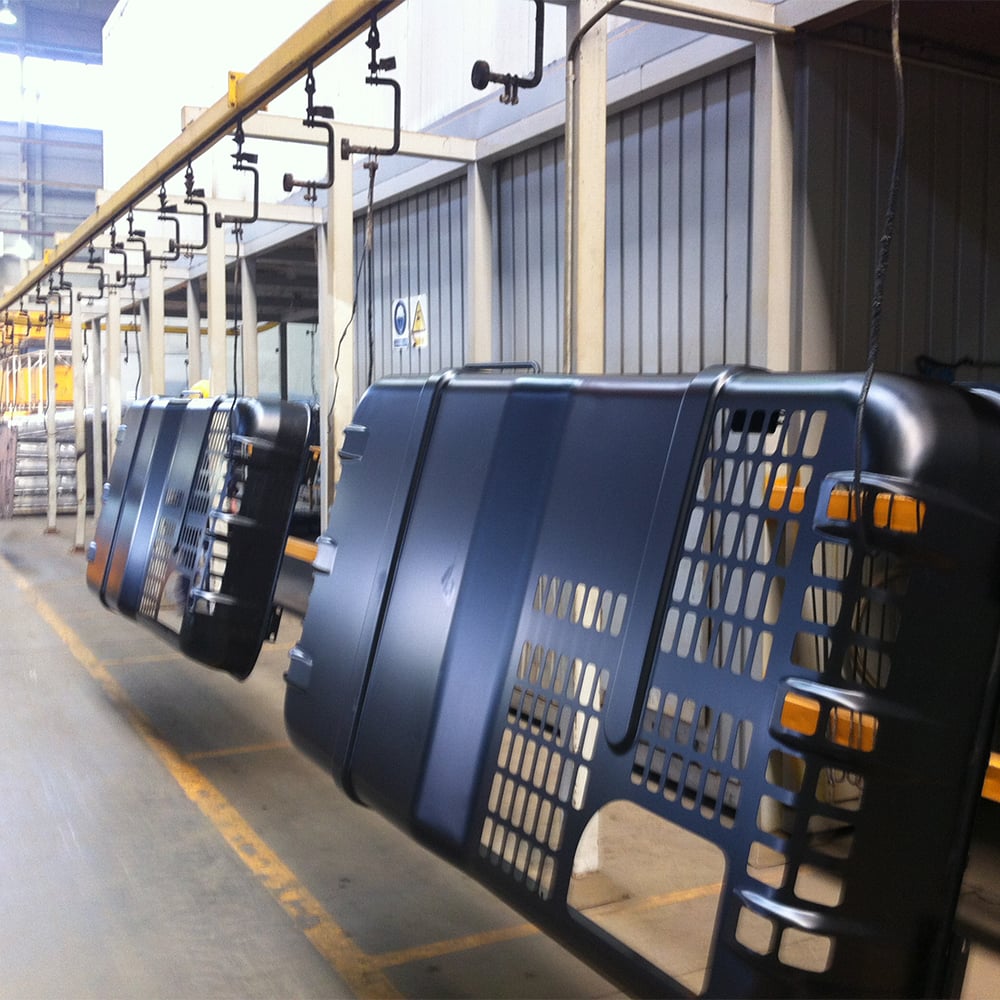
Corrosion remains one of the costliest challenges in manufacturing, particularly for automotive, appliance, and industrial equipment producers. An effective e-coating line addresses this problem by applying a uniform, durable protective layer that shields metal substrates from environmental degradation. Understanding how an e-coating line enhances corrosion resistance helps manufacturers make informed decisions about coating technology investments and process optimization.
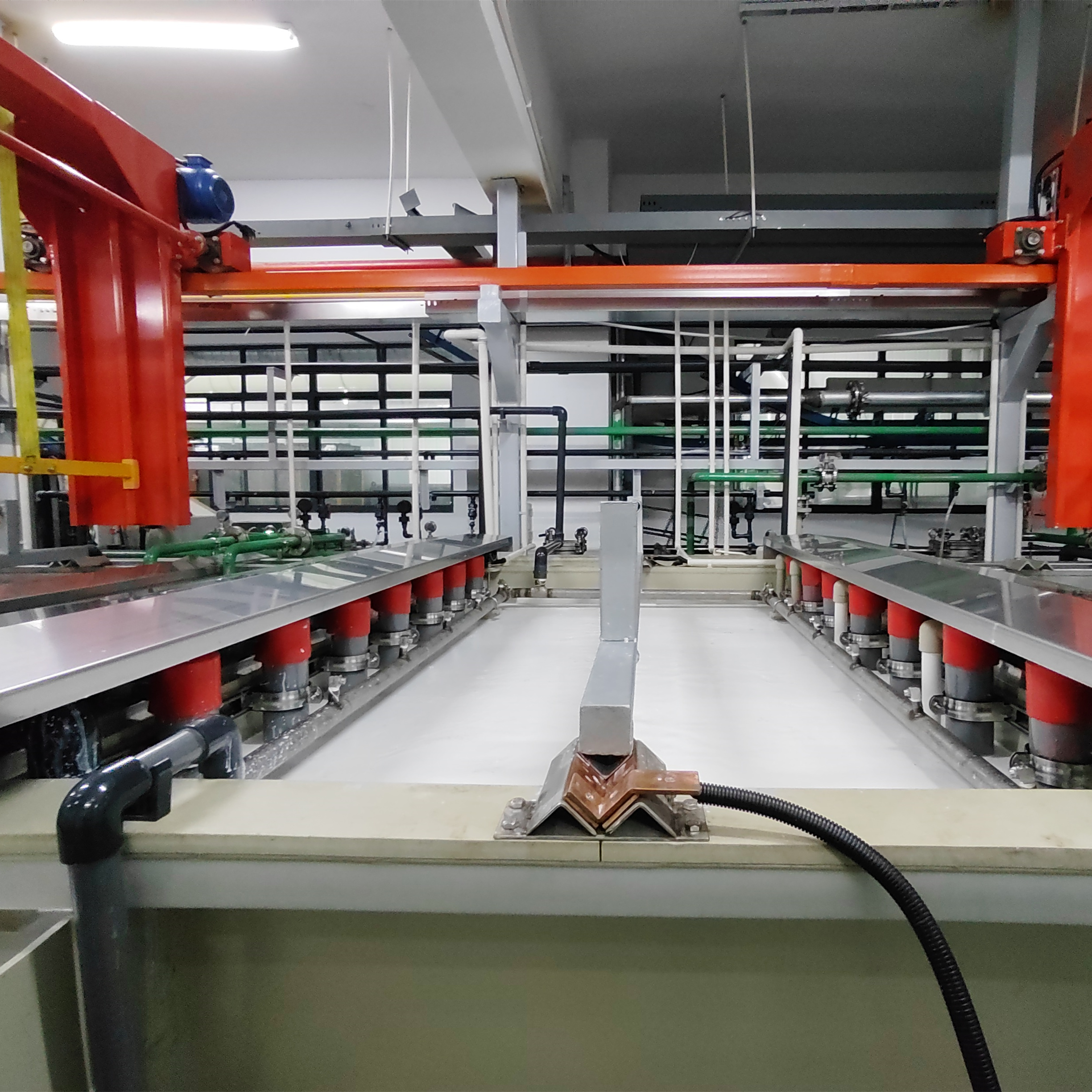
An e-coating line delivers superior corrosion protection through electrochemical deposition, creating a continuous, pinhole-free coating on complex metal geometries. This process ensures complete coverage in recesses, edges, and internal cavities where traditional spray methods often fail. The result is a robust barrier that significantly extends product lifespan and reduces warranty claims related to rust and degradation.
How E-Coating Lines Create Superior Corrosion Barriers
The Electrodeposition Process and Surface Adhesion
An e-coating line operates through a precision electrochemical process where charged coating particles migrate to a grounded workpiece, creating a molecular-level bond with the substrate. Unlike spray or dip methods, the e-coating line ensures uniform film thickness regardless of part geometry, eliminating thin spots that would otherwise permit corrosion initiation. The coating layers build progressively with each cycle, allowing manufacturers to achieve film thicknesses between 20 and 50 microns without runs, sags, or waste.
Film Integrity and Environmental Durability
The e-coating line produces a protective film with exceptional chemical resistance and moisture barrier properties. Once cured, the coating remains stable across temperature fluctuations, salt spray exposure, and harsh industrial environments. This durability makes an e-coating line ideal for automotive undercarriage protection, appliance exteriors, and metal components exposed to marine or corrosive atmospheres.
Key Advantages of E-Coating Line Technology for Corrosion Prevention
Complete Coverage and Complex Geometry Protection
Traditional wet coating methods struggle with complex shapes, hollow sections, and recessed areas. An e-coating line overcomes this limitation through electrochemical principles, ensuring coating particles reach every metal surface regardless of geometry. Manufacturers benefit because an e-coating line eliminates the need for secondary touch-up or spot coating, reducing labor costs and enhancing final product consistency. The electrostatic mechanism ensures tight tolerances and prevents uncoated zones where corrosion would otherwise begin.
Reduced Material Consumption and Environmental Compliance
An e-coating line operates with minimal overspray and waste compared to conventional spray coating systems. The electrochemical transfer efficiency typically exceeds 95 percent, meaning nearly all coating material deposits on the workpiece rather than becoming air pollution or requiring disposal. This efficiency reduces raw material costs and aligns with environmental regulations governing volatile organic compound emissions and hazardous waste. An e-coating line also recirculates unused coating material, maximizing resource utilization and supporting sustainable manufacturing practices.
Process Consistency and Quality Assurance
An e-coating line delivers consistent coating quality across thousands of production cycles because the process relies on electrical parameters rather than operator skill. Voltage, current, and immersion time are precisely controlled, ensuring repeatability that manual spray coating cannot match. This consistency reduces quality variability, minimizes rejection rates, and simplifies compliance with corrosion protection specifications required by automotive OEMs and industrial standards.
Industrial Applications Where E-Coating Lines Excel
Automotive Components and Underbody Protection
The automotive industry represents the primary market for e-coating line technology, where underbody parts face constant exposure to salt, moisture, and temperature cycling. An e-coating line protects suspension components, brake lines, fasteners, and structural elements with a cohesive film that prevents rust formation and extends vehicle service life. OEM specifications often require e-coat coverage as a baseline corrosion protection standard, making an e-coating line essential for Tier 1 and Tier 2 automotive suppliers.
Appliance Manufacturing and Consumer Durability
Refrigerators, washers, air conditioning units, and other appliances depend on long-term corrosion resistance to maintain warranty coverage and customer satisfaction. An e-coating line protects metal frames, compressor housings, and internal structural elements, ensuring durability in humid domestic and commercial environments. The e-coating line's ability to coat complex cavities and assembled subassemblies makes it invaluable for appliance manufacturers targeting extended product lifecycles.
Industrial Equipment and Heavy Machinery
Construction equipment, agricultural machinery, and industrial components require robust corrosion protection in outdoor and chemically demanding environments. An e-coating line delivers the adhesion strength and environmental resistance necessary for equipment operating in coastal regions, industrial zones, or corrosive agricultural applications. The uniformity provided by an e-coating line ensures consistent protection across entire equipment fleets, simplifying maintenance and reducing premature replacement costs.
Optimizing E-Coating Line Performance for Maximum Corrosion Resistance
Pre-Treatment Stage and Surface Preparation
The effectiveness of an e-coating line depends significantly on pre-treatment quality. Integrated pre-treatment stages remove oils, oxides, and contaminants from metal surfaces, creating an optimal substrate for coating adhesion. An advanced e-coating line includes cleaning, rinsing, and conversion coating stages that work synergistically with the electrodeposition process. Proper pre-treatment ensures the e-coating line can achieve maximum adhesion strength and corrosion barrier integrity.
Post-Cure Processing and Final Durability
After electrodeposition, an e-coating line typically feeds parts through thermal cure ovens where the coating crosslinks and hardens to final specifications. The post-cure stage transforms the wet electrocoat film into a resilient, corrosion-resistant barrier resistant to mechanical abuse and environmental stress. An e-coating line that includes controlled thermal processing delivers superior long-term durability compared to air-dry alternatives.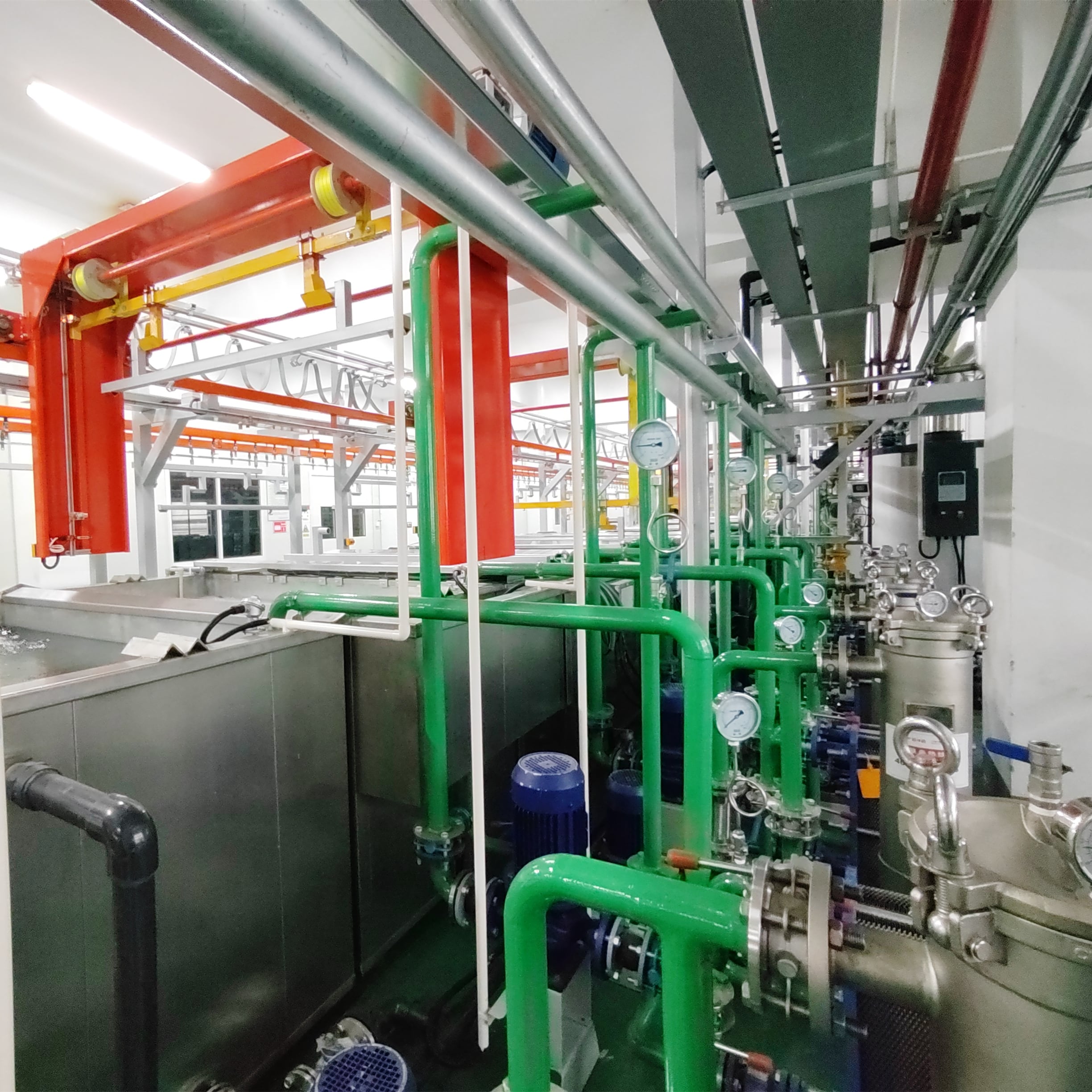
FAQ
What corrosion protection standards can an e-coating line meet?
An e-coating line can reliably meet ASTM B117 salt spray test requirements, ASTM D3359 adhesion standards, and automotive specifications such as GM 4345M and Ford WSS-M2D139-A1. Many OEM requirements specify minimum corrosion resistance that an e-coating line consistently achieves, including 500 to 1000 hours of salt spray exposure without red rust formation. The electrodeposition process ensures repeatable quality that helps manufacturers comply with industry benchmarks and customer specifications.
How does an e-coating line compare to powder coating for corrosion resistance?
An e-coating line excels in covering complex geometries and internal cavities, while powder coating offers superior thickness in open areas. An e-coating line is ideal for assembled components and intricate metal assemblies, whereas powder coating works better for flat panels and large surfaces. For applications requiring complete protection of hollow sections or tight tolerances, an e-coating line provides distinct advantages in corrosion barrier uniformity and coverage consistency.
What maintenance does an e-coating line require to sustain corrosion protection performance?
An e-coating line requires regular monitoring of bath chemistry, filtration system performance, and temperature control to maintain consistent coating quality. Periodic maintenance includes particle size monitoring, pH adjustment, and filter replacement to prevent coating defects and ensure long-term corrosion protection capability. Proper e-coating line maintenance preserves electrodeposition efficiency and guarantees that finished parts continue meeting corrosion resistance specifications throughout the equipment's service life.