 EN
EN
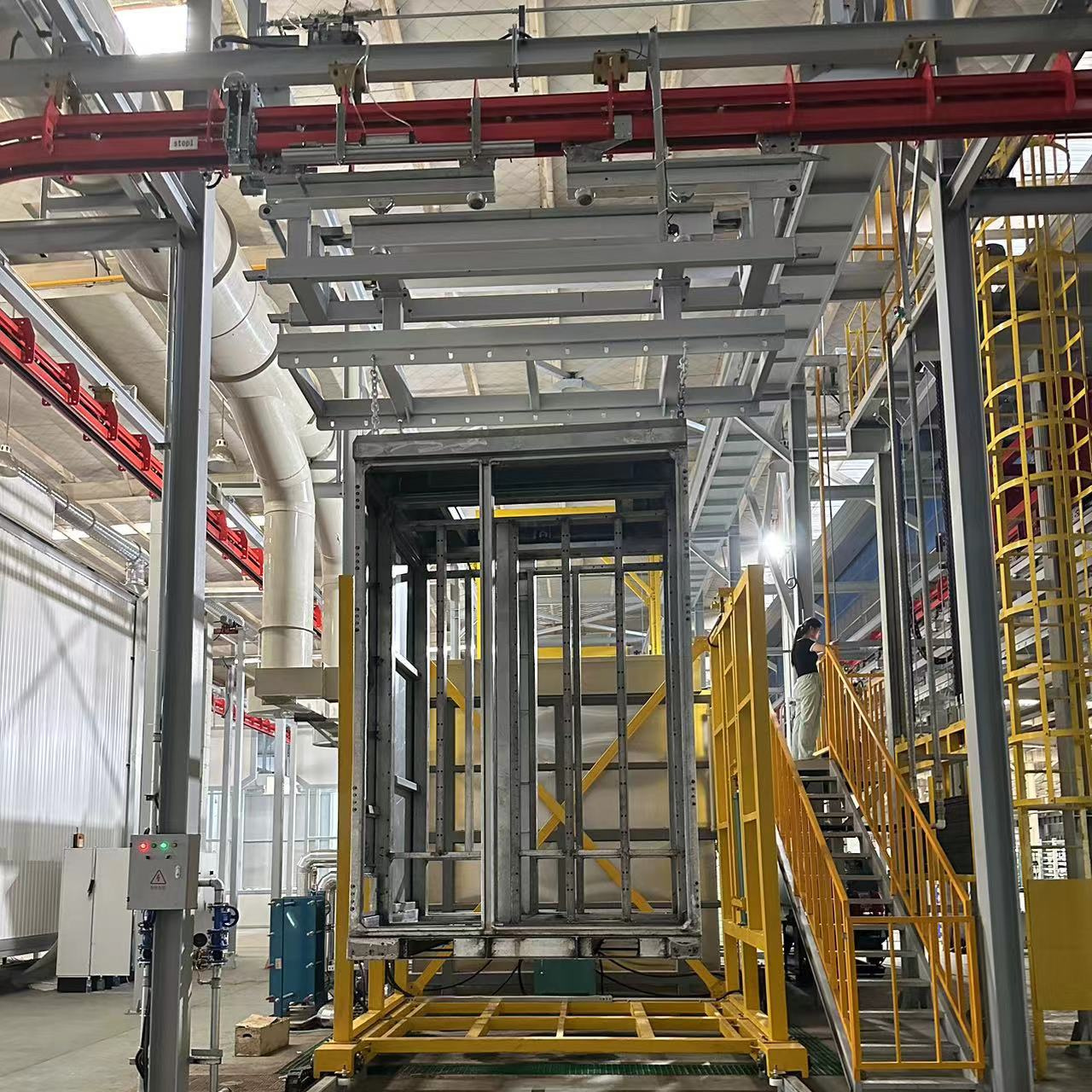
Aluminum profile processing demands precision, consistency, and scalability. A powder coating line transforms how manufacturers finish aluminum components for construction, automotive, and industrial applications. Unlike manual spray methods or liquid coating systems, a modern powder coating line delivers superior adhesion, minimal waste, and repeatable results across high-volume production runs.
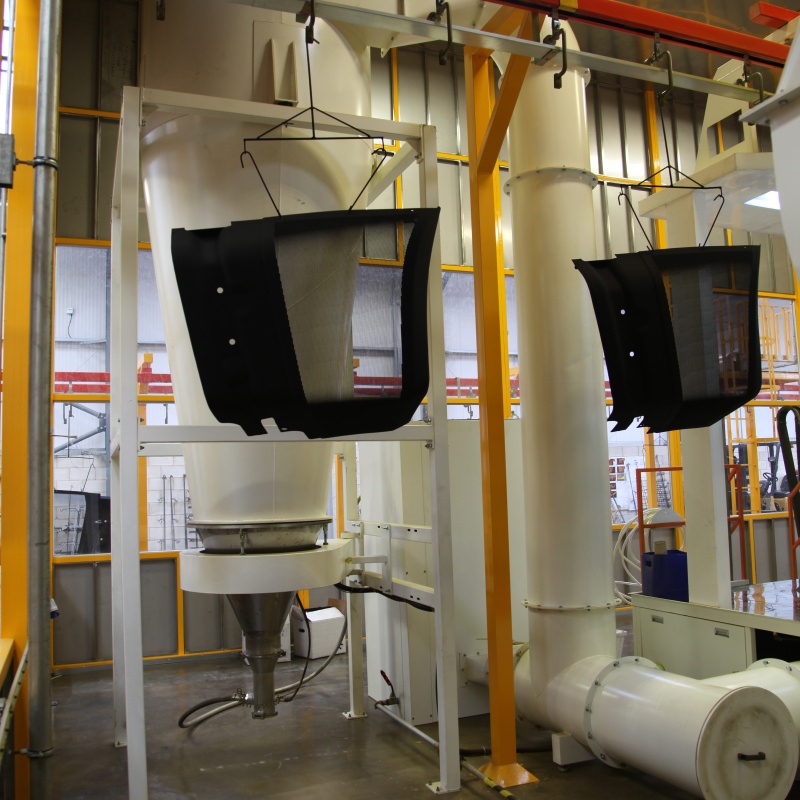
Industrial aluminum profiles require protective and aesthetic coatings that withstand environmental exposure, thermal cycling, and mechanical stress. A powder coating line addresses these demands by automating surface preparation, electrostatic application, and thermal curing in a single integrated workflow. This approach reduces labor costs, improves finish uniformity, and ensures compliance with strict quality standards across automotive trim, window frames, heat sinks, and extrusion components.
Core Components of a Powder Coating Line
Pretreatment and Surface Preparation
Before powder application, aluminum profiles enter the pretreatment stage of the powder coating line. This section removes contaminants, oxides, and residual oils through sequential immersion tanks containing alkaline cleaners, acid desmutting agents, and deionized water rinses. Proper pretreatment directly impacts adhesion quality and corrosion resistance. A well-designed powder coating line maintains consistent immersion times, temperature control, and chemical concentration to ensure repeatable surface preparation across every batch of aluminum profiles.
Electrostatic Powder Application
The core of any powder coating line is the electrostatic application chamber. Aluminum profiles travel through this zone where charged powder particles are sprayed onto the grounded metal surface. The electrostatic charge creates uniform coating coverage, even in recessed areas and complex geometries. Modern powder coating line systems employ automatic gun positioning or air-atomized spray patterns to minimize powder waste and achieve film thickness consistency. This electrostatic mechanism is a defining advantage of the powder coating line over conventional liquid spray methods.
Thermal Curing and Quality Control
Curing Oven Integration
After powder application, the aluminum profiles exit the electrostatic chamber and enter the curing oven within the powder coating line. Infrared or convection heating melts the powder particles and allows them to flow into a continuous film. Temperature and residence time are critical variables in every powder coating line design. Oven zones must be precisely calibrated to achieve full powder fusion without thermal distortion of sensitive aluminum components or color shift in the final coating.
Inspection and Sorting
Quality assurance at the discharge end of the powder coating line ensures only approved parts advance. Vision systems, coating thickness gauges, and color comparison stations verify that powder coating line output meets thickness specifications, gloss levels, and aesthetic requirements. Defective parts are automatically rejected or flagged for reprocessing, reducing scrap and maintaining batch consistency. This closed-loop inspection cycle is essential for high-value aluminum profile applications in aerospace, marine, and critical industrial sectors.
Operational Benefits and Industrial Application
Efficiency Gains and Cost Reduction
A powder coating line processes aluminum profiles 40 to 60 percent faster than manual spray methods while reducing material waste by up to 95 percent compared to liquid coatings. Powder overspray can be reclaimed and reused, minimizing environmental impact and raw material cost. The powder coating line automates labor-intensive steps, reducing operator dependency and enabling continuous production cycles. For manufacturers processing thousands of aluminum extrusions monthly, these efficiency metrics directly translate to improved profit margins and competitive pricing.
Finish Quality and Durability
Powder coatings applied via a dedicated powder coating line offer superior hardness, chemical resistance, and UV stability compared to air-dried liquid systems. The electrostatic nature of a powder coating line ensures even coverage thickness across complex aluminum profile geometries, including channels, slots, and internal cavities. This uniform film thickness translates to consistent gloss, color, and weathering performance across the entire batch. Industries such as automotive window frames, architectural cladding, and industrial heat exchanger manufacturing depend on powder coating line reliability to meet customer acceptance criteria and warranty obligations.
Environmental Compliance
Modern powder coating line systems align with strict environmental regulations across North America, Europe, and Asia. Because powder coatings contain zero volatile organic compounds (VOCs), a powder coating line eliminates air quality concerns and solvent disposal costs associated with liquid spray systems. Powder overspray collection systems capture unused material before it exits the coating chamber, preventing atmospheric release. This environmental profile makes the powder coating line an attractive investment for facilities operating in areas with stringent air quality mandates or seeking ISO 14001 environmental management certification.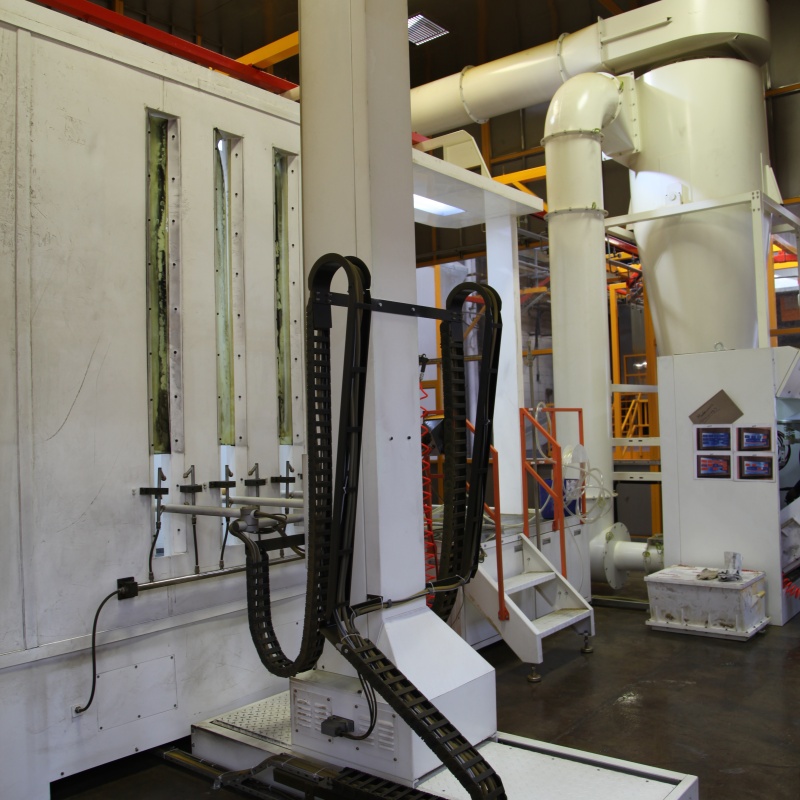
FAQ
What aluminum profile sizes can a powder coating line accommodate?
A powder coating line can be configured to process profiles ranging from small tubes and thin-wall extrusions to large structural sections. Conveyor spacing, spray gun positioning, and oven width are adjustable parameters. Most industrial powder coating line systems handle profiles between 10 mm and 300 mm in cross-sectional dimension, with custom fixtures enabling processing of irregular shapes and compound geometries. Manufacturer specifications must be reviewed to confirm that your intended profile range matches powder coating line design limits.
How long does it take to set up a new color on a powder coating line?
Color changeover on a powder coating line typically requires 30 to 90 minutes of downtime. This includes purging the spray system of residual powder, changing powder cartridges or hoppers, and running validation test panels through the powder coating line to confirm color and gloss match. Advanced systems with quick-change hoppers and automated gun purge cycles reduce changeover time significantly. For facilities producing limited color runs, the powder coating line investment must account for this changeover duration when calculating daily throughput.
What maintenance does a powder coating line require?
Routine maintenance of a powder coating line includes monthly inspection of spray gun nozzles, quarterly oven thermocouple calibration, and annual replacement of conveyor chain components and seal assemblies. Pretreatment tanks require chemical replenishment and periodic filtration cleaning to maintain coating adhesion quality. Compressed air filtration systems within the powder coating line need filter cartridge replacement every six months to prevent powder contamination. A preventive maintenance schedule for your powder coating line extends equipment lifespan and minimizes unplanned production interruptions.