
 EN
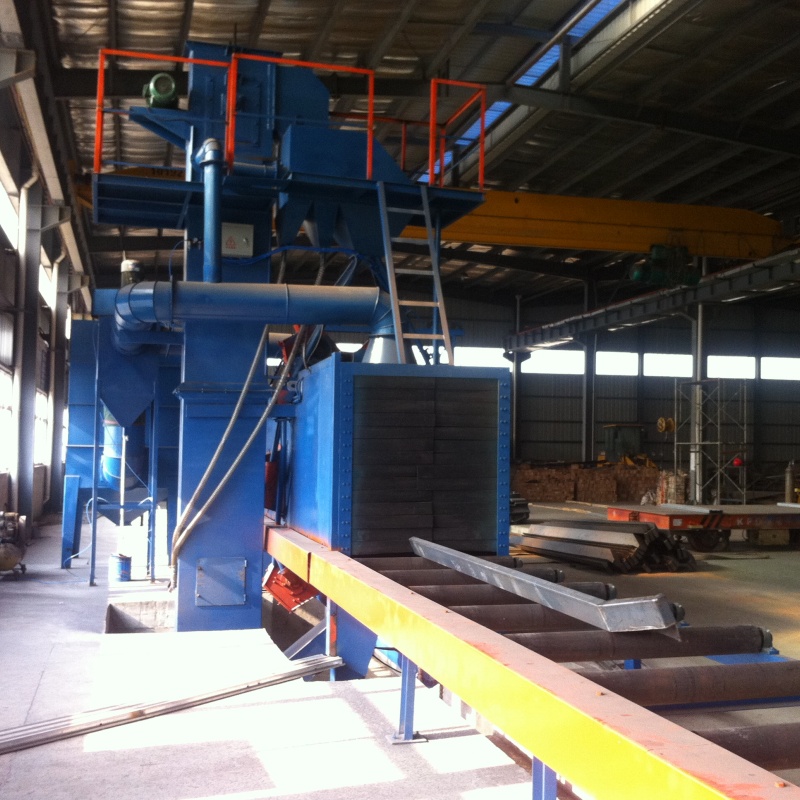
Corrosion and Scaling: Material Degradation in Pretreatment Systems
Acidic and Oxidative Corrosion Mechanisms in Feedwater Lines
Feedwater lines in pretreatment systems are vulnerable to acidic and oxidative corrosion when pH or dissolved oxygen control falters. Acidic corrosion occurs when low-pH water—often from CO₂ dissolution or acid dosing overshoot—destroys the protective oxide layer on carbon steel and copper alloys. Oxidative corrosion is driven by dissolved oxygen, chlorine, or other oxidizing biocides that accept electrons at metal surfaces. These mechanisms frequently interact: low pH accelerates metal dissolution, while oxygen-rich conditions promote pitting and tuberculation, especially in stagnant zones. The resulting iron oxide particulates and soluble metals enter multimedia filters, increasing fouling potential. Visual signs include reddish-brown deposits, pinhole leaks, and localized wall thinning near flow disturbances.
Continuous monitoring of pH, oxidation-reduction potential (ORP), dissolved oxygen, and corrosion coupon weight loss enables early detection. Corrosion-induced piping damage accounts for roughly 35% of unplanned pretreatment maintenance events (Water Asset Management Survey 2024). Operators should verify chemical feed accuracy and inspect sacrificial anodes or protective linings whenever pH falls below 6.5 or free chlorine exceeds 0.5 mg/L—corrective action here protects both infrastructure and downstream processes.
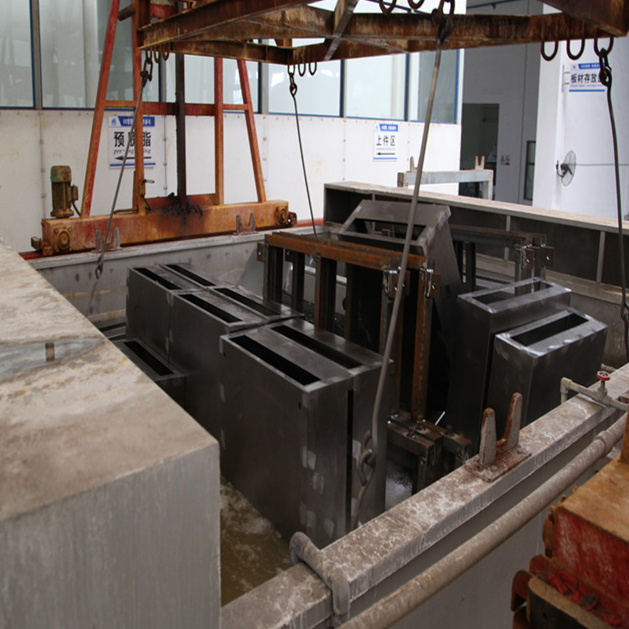
Calcium Carbonate and Silica Scaling in Multimedia Filters
Calcium carbonate and silica scaling occur when hardness, alkalinity, or dissolved silica exceed solubility limits. Calcium carbonate precipitates above pH 8.3, forming dense deposits across anthracite, sand, and garnet media. Silica scaling is more insidious: colloidal or polymerized silicate gels bind filter media into cement-like masses that resist conventional cleaning. Both scale types reduce effective surface area, elevate differential pressure, and cause backwash channeling—leading to shortened run times, uneven media expansion, and elevated effluent turbidity.
Monitoring the Langelier Saturation Index (LSI), pH, alkalinity, and reactive silica helps differentiate scaling drivers. A scale-cemented multimedia filter can lose 20–30% of its designed flow capacity before visible breakthrough occurs (Filtration Performance Review 2023). Prevention includes optimizing coagulant dose and pH setpoints, limiting silica concentration to under 150 mg/L in filter feedwater, and confirming backwash flow rates meet design specifications. When scaling persists, inspect underdrains and media beds for hardened layers; replace compromised media to restore filtration efficiency.
Fouling and Biofilm: Microbial Challenges in Pretreatment
Biofouling remains one of the most common—and often overlooked—defects in pretreatment systems. It typically develops silently, with symptoms like rising differential pressure or premature cartridge filter failure appearing only after biofilm has matured. Effective management requires proactive microbial monitoring and awareness of disinfectant limitations.
Heterotrophic Plate Count (HPC) Trends and Cartridge Filter Performance
Heterotrophic Plate Count (HPC) serves as a practical, field-deployable indicator of culturable bacteria and an early warning signal for biofouling. A single measurement offers limited value; instead, operators should track trends over time. A sustained rise in HPC at the raw water inlet or post-clarifier often precedes slime formation and reduced cartridge filter run times. Stagnant zones—including dead legs and intermittently operated sections—amplify microbial growth and HPC excursions.
Sampling weekly at three key points—raw water, post-clarifier, and post-cartridge filter—supports trend analysis. When HPC consistently exceeds the site-established baseline, inspect piping and filter housings for nutrient sources or flow stagnation. Cartridge filters fail primarily due to biofilm-induced differential pressure—not because HPC reaches a universal threshold. Replace cartridges based on pressure drop, and examine spent units for slime, odor, or discoloration. Correlating HPC trends with pressure data helps distinguish microbial fouling from inorganic particulate loading and guides targeted cleaning interventions.
Chlorine Resistance and Biofilm Persistence in Municipal Pretreatment
Municipal water supplies commonly maintain a chlorine residual sufficient to control planktonic bacteria—but attached biofilms tolerate significantly higher oxidant concentrations. The extracellular polymeric substance (EPS) matrix scavenges chlorine, limiting penetration and shielding deeper microbial layers. Biofilm oxidant demand can outpace bulk-water decay rates, especially in areas of poor flow distribution: pretreatment piping, cartridge housings, and multimedia filter beds are frequent hotspots. Low-flow zones, dead legs, and sediment accumulation further protect biofilm communities from residual chlorine.
To mitigate risk, maintain a measurable free chlorine residual throughout the pretreatment train, minimize stagnant periods, and implement routine flushing protocols. Periodic HPC or adenosine triphosphate (ATP) testing after chlorination reveals regrowth patterns. If biofouling persists despite adequate chlorine residuals, assess organic loading and consider supplementary non-oxidizing biocides—only after compatibility testing with system materials and downstream membranes. The objective is not sterilization but controlled, manageable biofilm accumulation.
Chemical Dosing and Control Failures Impacting Pretreatment Efficacy
pH Instability and Coagulant Hydrolysis Breakdown
pH instability directly compromises coagulant performance in pretreatment trains. Aluminum- and iron-based coagulants require tight pH control—ideally between 6.5 and 7.5—to hydrolyze properly and form robust, settleable flocs. Outside this range, hydrolysis becomes incomplete or excessively rapid, yielding weak flocs that bypass multimedia filters. Common root causes include dosing pump drift, miscalibrated pH sensors, or insufficient static mixing.
Uncontrolled pH swings also accelerate downstream corrosion and scaling, particularly in reverse osmosis membranes, and reduce coagulant solubility—leaving residual aluminum or iron to foul cartridge filters. After any pH probe replacement or seasonal raw water change, operators should validate coagulant dosage against jar test results. Short, automated pH trim loops—paired with daily verification—provide responsive, stable hydrolysis control and enhance overall system reliability.
Sensor Reliability and Automation Gaps in Modern Pretreatment
Modern pretreatment relies heavily on continuous sensor feedback for pH, ORP, turbidity, and differential pressure. Yet sensor drift, fouling, and calibration errors often go undetected between scheduled maintenance intervals. For example, a pH probe operating in high-alkalinity water may degrade by 0.1–0.3 pH units per month without visible signs—enough to mislead an automated dosing loop into over-adding acid or coagulant. The result is unstable chemical conditioning, accelerated corrosion, or increased downstream fouling.
Automation gaps widen when digital controllers integrate with legacy assets. Older analog sensors and programmable logic controllers frequently lack real-time data validation, making it difficult to discern whether a rising pressure reading reflects actual filter fouling—or sensor degradation. Without reliable diagnostics, backwash cycles default to fixed timers rather than media condition, wasting water and permitting solids breakthrough.
Robust automation demands more than hardware: it requires disciplined sensor maintenance—regular cleaning, reference junction inspection, and cross-checks against handheld instruments—as well as automated calibration alarms and data-quality validation. Edge computing can improve signal integrity by processing raw data near the source, reducing noise and latency. But technology amplifies existing practices: without rigorous operational discipline, automation scales error—not insight.
FAQ
What causes acidic and oxidative corrosion in pretreatment systems?
Acidic corrosion happens due to low-pH water, while oxidative corrosion is caused by dissolved oxygen, chlorine, or oxidizing biocides. They often interact, exacerbating metal degradation.
How can calcium carbonate and silica scaling be prevented?
Scaling can be managed by monitoring pH, the Langelier Saturation Index (LSI), and reactive silica levels. Optimizing coagulant doses and ensuring appropriate backwash flow rates are critical preventive measures.
What is biofouling, and why is it a concern in pretreatment?
Biofouling occurs when biofilms form on system components, causing differential pressure increases, equipment inefficiency, and reduced run-time. Effective microbial monitoring and disinfection are key to management.
How does sensor drift affect pretreatment automation?
Sensor drift can provide inaccurate readings, leading to incorrect chemical dosing. This results in unstable operations, corrosion, and scaling across the system.
What are the best practices for maintaining sensors in modern pretreatment systems?
Regular cleaning, cross-checking with handheld instruments, and automated calibration alarms ensure accurate sensor performance and proper automation.