 EN
EN
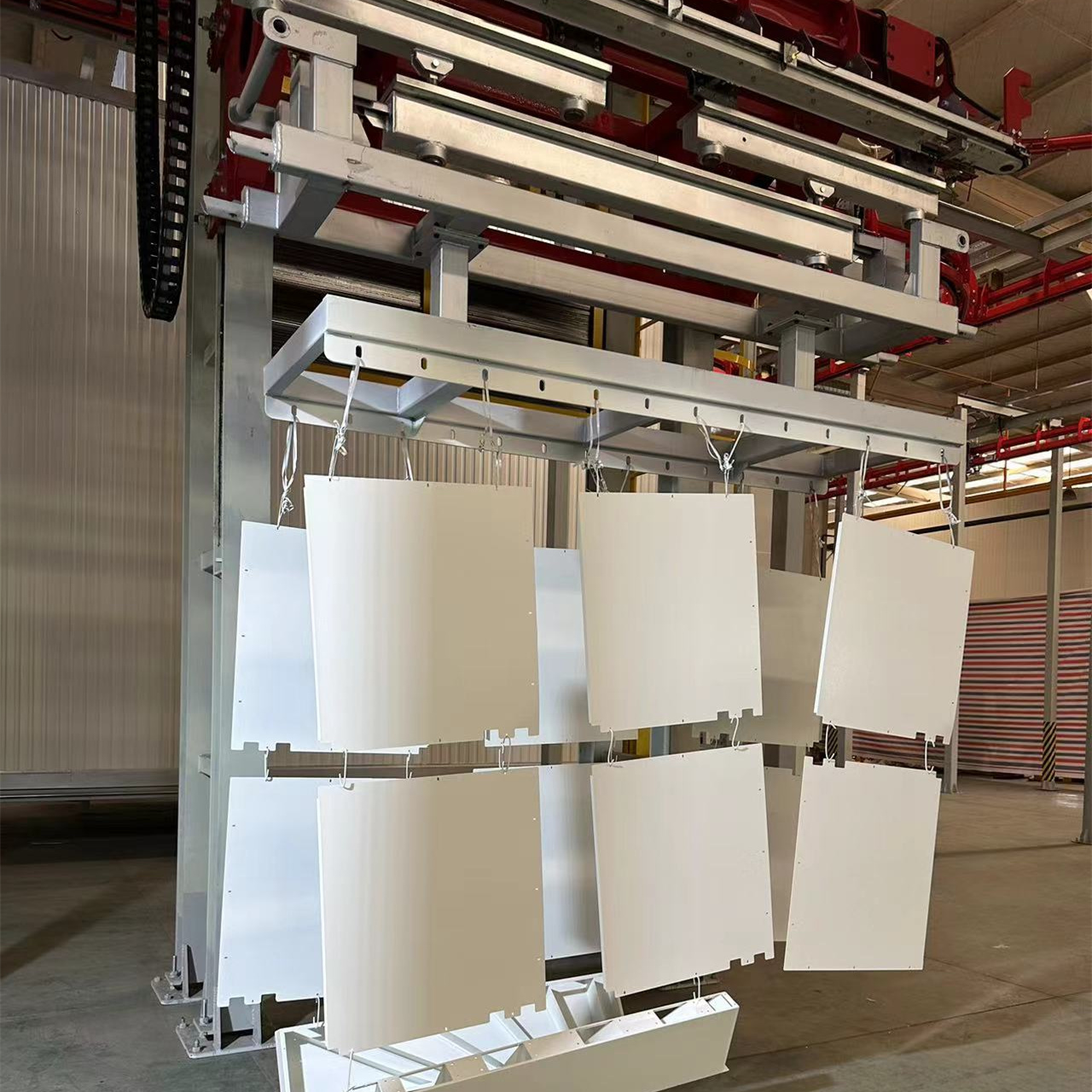
Small and medium factories face mounting pressure to deliver quality metal finishes while controlling costs and maintaining production efficiency. A powder coating line offers a proven solution that transforms how manufacturers approach surface finishing. Rather than relying on outsourced coating services or labor-intensive manual processes, investing in a dedicated powder coating line brings production in-house, reduces waste, and builds competitive advantage through consistent, professional results.
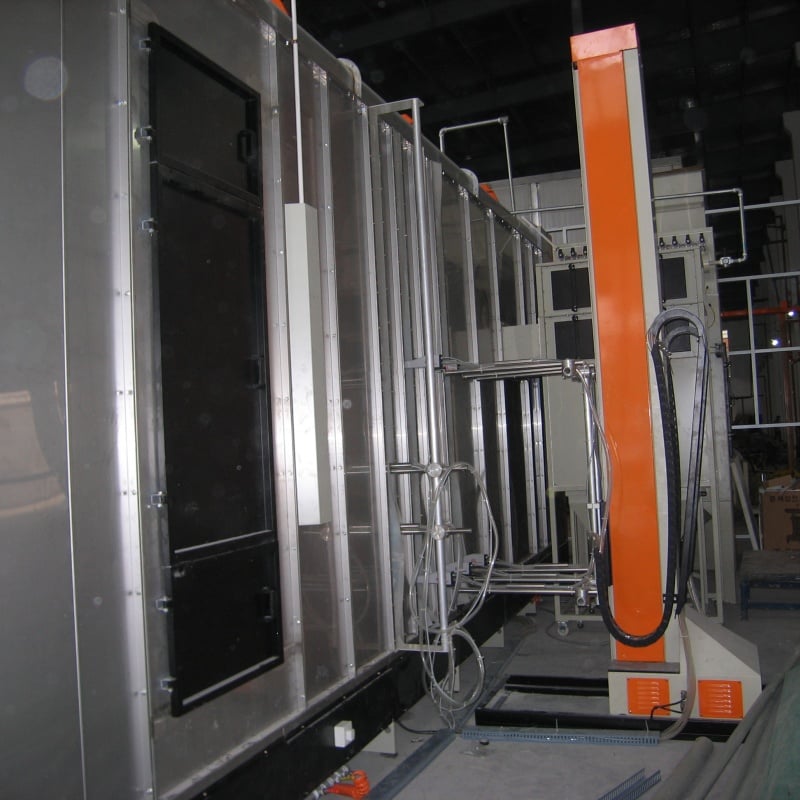
The right powder coating line tailored to factory scale and production volume unlocks operational benefits that extend far beyond surface aesthetics. Quality finishes protect metal substrates from corrosion, extend product lifespan, and enhance brand perception in competitive markets. For SMFs, a powder coating line represents both a productivity tool and a strategic asset that justifies capital investment through improved margins, faster turnaround, and the ability to serve clients who demand premium coating specifications.
Understanding Powder Coating Line Fundamentals
What Makes a Powder Coating Line Essential for SMFs
A powder coating line automates the application of dry powder onto metal surfaces, then cures the coating through heat. This process differs fundamentally from traditional wet spray painting, offering superior durability, minimal material waste, and faster production cycles. The powder coating line encompasses multiple integrated stages: part preparation, electrostatic application, and thermal curing. For small and medium factories, this consolidated workflow eliminates inefficient outsourcing cycles, reduces dependency on external service providers, and brings coating quality control entirely in-house.
The powder coating line also delivers environmental advantages that appeal to regulated industries and clients with sustainability mandates. Powder coatings contain no volatile organic compounds (VOCs), generate virtually zero overspray waste, and allow operators to recycle unused powder. These attributes make a powder coating line both a cost-efficient and compliance-friendly solution for factories seeking to modernize finishing capabilities without incurring high waste disposal or environmental remediation costs.
Core Stages Within a Powder Coating Line System
A complete powder coating line typically comprises four core stages working in synchronized sequence. Pre-treatment removes oils, oxides, and contaminants from part surfaces, ensuring excellent powder adhesion. The electrostatic spray booth applies charged powder particles to grounded metal parts, achieving uniform coverage with minimal overspray. A curing oven heats parts to a precise temperature and duration, allowing the powder to melt, flow, and chemically cross-link into a hard, protective finish. Finally, cooling and handling stations prepare finished parts for packaging or secondary assembly.
Each stage of the powder coating line demands careful calibration and consistent monitoring. Temperature control in the curing oven, powder particle charge uniformity, and part handling speed all affect final finish quality. For SMFs without extensive coating expertise, a well-designed powder coating line equipped with standard controls and clear operational procedures allows production teams to achieve professional results reliably, minimizing costly rejects and rework cycles.
Operational Efficiency and Cost Management Benefits
How a Powder Coating Line Reduces Production Bottlenecks
SMFs often face scheduling conflicts when external coating partners experience delays or capacity constraints. By installing a powder coating line on-site, factories regain direct control over coating schedules and throughput. Production teams can align coating operations with assembly timelines, reduce part inventory holding periods, and respond faster to urgent customer orders. The powder coating line becomes a synchronized production asset rather than an external dependency, enabling just-in-time manufacturing strategies that lower working capital requirements.
The throughput advantage of a powder coating line extends to part variety as well. When SMFs manage their own powder coating line, they can switch between colors, finishes, and specifications without renegotiating contracts or accepting minimum order quantities imposed by external vendors. This operational flexibility allows factories to serve diverse customer preferences and market segments without sacrificing production efficiency or incurring changeover penalties.
Material Efficiency and Waste Reduction Through Powder Coating Line Technology
A powder coating line dramatically reduces material waste compared to wet spray methods. Wet painting processes generate 30–50% material overspray that typically ends up as hazardous waste requiring disposal. Powder coating lines, by contrast, recover and recycle unused powder, often achieving 95% material utilization rates. For SMFs processing hundreds or thousands of parts monthly, this efficiency translates to substantial cost savings and simplified environmental compliance.
Beyond raw material conservation, a powder coating line reduces labor intensity and associated overhead. The application process relies on electrostatic attraction rather than skilled sprayer technique, allowing trained operators to manage high-volume throughput with consistent quality. Factories eliminate the expense of maintaining large wet spray facilities, managing hazardous solvent disposal, and addressing VOC emission compliance—all factors that compress the total cost of ownership and accelerate return on investment when implementing a powder coating line.
Selection and Implementation Considerations for SMF Environments
Evaluating Powder Coating Line Capacity and Production Fit
Choosing the appropriate powder coating line capacity requires honest assessment of current and projected production volumes. Semi-automatic or manual powder coating line configurations suit SMFs that process between 500 and 5,000 parts per month across varied geometries and materials. Fully automatic powder coating line systems, by contrast, demand high-volume, standardized part runs to justify the capital investment. Oversizing a powder coating line leads to underutilization and poor ROI, while undersizing creates bottlenecks that offset the efficiency benefits.
Physical facility constraints also shape powder coating line selection decisions. Pre-treatment stages require chemical tanks and drainage infrastructure; spray booths demand explosion-proof electrical systems and dust collection; curing ovens require stable power supply and adequate ventilation. SMFs must evaluate available floor space, utility capacity, and potential facility modifications before committing to a specific powder coating line configuration. Working with equipment providers familiar with SMF constraints ensures that the selected powder coating line fits both production requirements and facility realities.
Integration, Training, and Ongoing Compliance for Powder Coating Line Operations
Successfully deploying a powder coating line demands more than equipment installation. SMF teams must receive thorough training on pre-treatment chemistry, electrostatic spray principles, oven temperature management, and safety protocols specific to powder coating operations. Operators need clear standard operating procedures, quality checkpoints, and troubleshooting guides to maintain consistency. A powder coating line that lacks proper operator knowledge generates defects, equipment wear, and missed production targets despite its technical capabilities.
Regulatory compliance forms another critical dimension of powder coating line stewardship. Factories must maintain equipment documentation, track material safety data sheets for powder products, and conduct periodic environmental monitoring to verify VOC and particulate emission levels remain compliant. Many jurisdictions classify powder coating line installations as minor sources or exempt operations, reducing permitting burden compared to traditional wet spray facilities. SMFs that proactively address compliance from the outset build operational credibility and avoid costly regulatory remediation later.
FAQ
What is the typical payback period for investing in a powder coating line?
The payback period for a powder coating line typically ranges from 18 to 36 months for SMFs, depending on baseline coating costs, production volume, and equipment configuration. SMFs transitioning from outsourced coating services see faster payback, often 18–24 months, because they eliminate vendor markups and transportation delays. Factories with in-house wet spray operations may see 24–36 month payback periods as they realize material waste reductions and labor efficiency gains. Conducting a detailed cost-benefit analysis specific to your operation—comparing current coating expenses against powder coating line capital cost, energy consumption, and material usage—provides the most accurate payback estimate for your SMF.
Can a powder coating line handle diverse part geometries and materials?
Yes, a well-designed powder coating line accommodates a wide range of part geometries and metal substrates including steel, aluminum, and zinc-plated components. The electrostatic spray mechanism and pre-treatment chemistry in a powder coating line scale effectively across different part sizes and shapes. However, highly intricate or very small parts may require custom fixturing or spray gun positioning within the powder coating line to achieve optimal coverage. SMFs working with diverse part portfolios should specify a flexible powder coating line configuration with adjustable conveyor speeds, multiple spray gun positions, and pre-treatment that handles both ferrous and non-ferrous metals to maximize production versatility.
What maintenance and support does a powder coating line require?
A powder coating line requires routine maintenance including pre-treatment tank chemical analysis and replenishment, spray gun cleaning and electrode replacement, oven burner inspection, and conveyor chain lubrication. Monthly preventive maintenance cycles typically consume 4–8 hours and cost $500–$1,500 depending on line complexity. Annual deep cleaning, filter replacement, and calibration checks prevent performance degradation and extend equipment lifespan. Many equipment providers offer maintenance contracts that bundle spare parts, labor, and emergency support, providing SMFs with predictable costs and minimized downtime. Establishing a disciplined maintenance schedule for your powder coating line protects your investment and ensures consistent output quality throughout the equipment's operational life.