 EN
EN
Coating Quality and Consistency Across Powder Coating Line Configurations
Film Thickness Uniformity, Defect Rates, and Process Repeatability
Powder coating lines that are automated typically show around 5% variation in dry film thickness, compared to those 15 to 25% swings we see with manual methods. According to Finishing Journal from last year, this consistency cuts down on rework needs by nearly two thirds. The secret lies in precision electrostatic sprayers paired with PLCs that take out all the guesswork from the coating process. These systems produce really uniform coatings with almost no pinholes or that annoying orange peel texture that plagues so many manual jobs. For industries like aerospace and medical device manufacturing, getting this kind of repeatable quality matters a lot because even small flaws can shorten component life expectancy and cause problems during regulatory inspections.
Handling Complex Geometries: Aluminum Profiles, Wheel Rims, and Edge Coverage Challenges
When it comes to complex shapes such as aluminum extrusions and wheel rims, robotic arms equipped with multiple axes manage to get around those pesky Faraday cage issues that really trip up manual spraying techniques. With targeted corona charging, these systems achieve about 98 percent coverage along sharp edges. And let's not forget about the adaptive programming aspect which creates custom spray patterns for different profiles. This cuts down on empty spots in hard to reach corners by roughly forty percent compared to what humans can do manually. The result? Fewer problems with early stage corrosion forming at connection points and seams, something that plagues both building exteriors and car undercarriages where moisture tends to collect.
Production Throughput and Scalability of the Powder Coating Line
Continuous Flow Automation vs Batch-Based Manual Operation: Cycle Time and Output Analysis
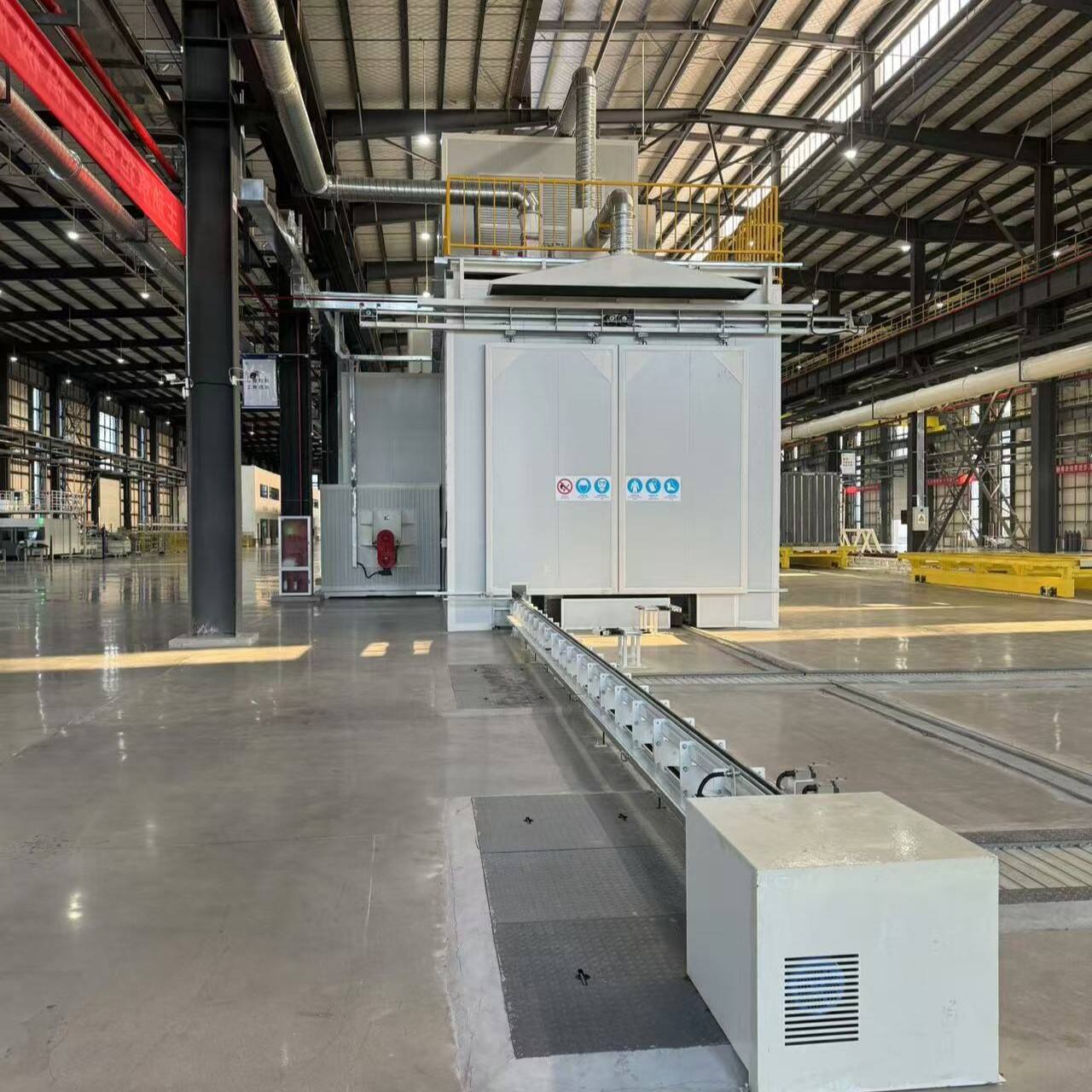
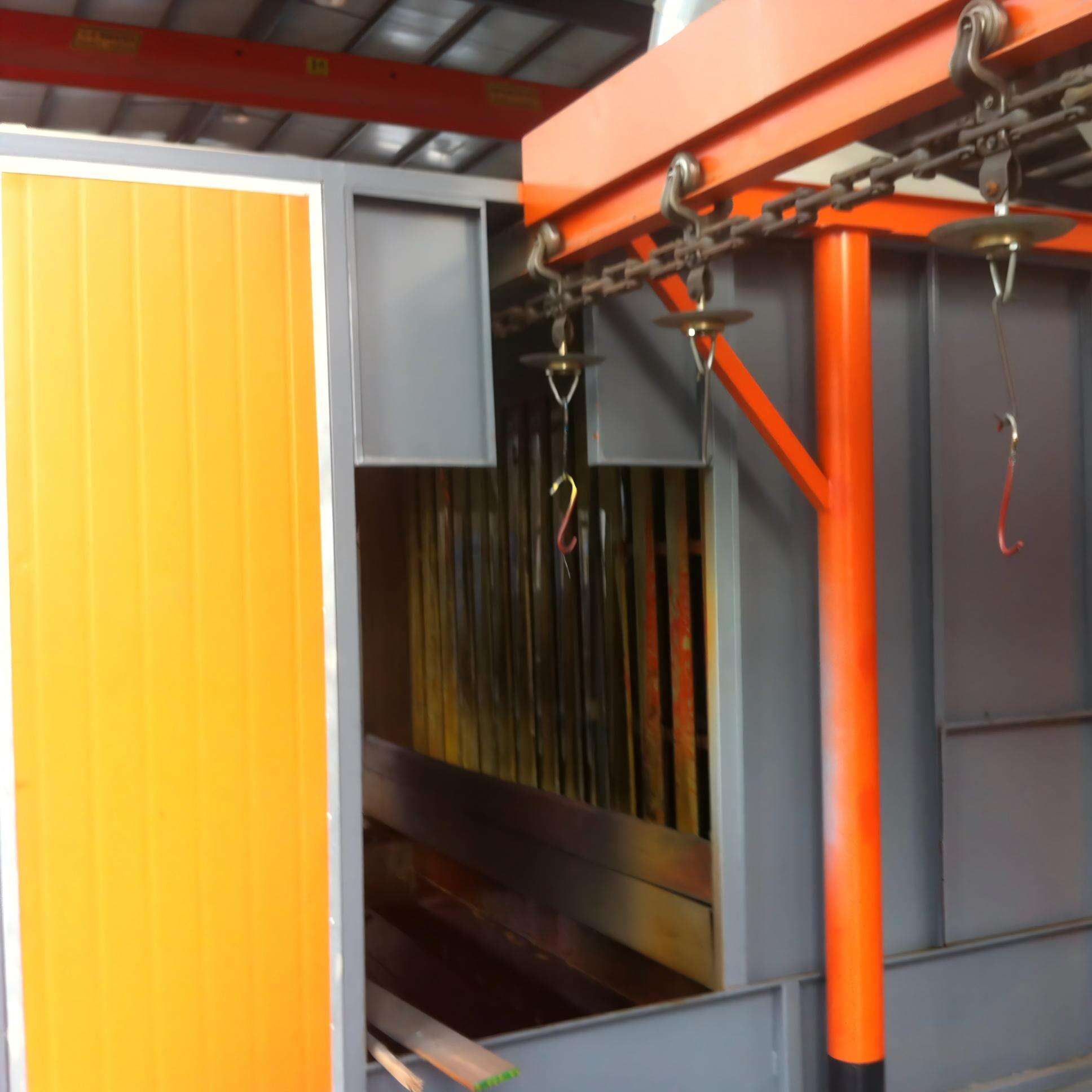
The automated production lines run continuously, producing around 30 to 50 parts each hour while manual batch systems manage only about 5 to 10 parts during the same time frame. This difference comes from having all the components work together through synchronized conveyor belts and integrated areas for pretreatment, application, and curing processes. When looking at equipment usage rates, automated systems typically hit between 85% and 90%, whereas manual operations hover around 60% to 65%. That means factories can produce roughly 40% more products annually when they go fully automated. Changing colors happens much faster too, taking less than five minutes compared to over twenty minutes needed for manual changes. For industries dealing with large volumes such as those manufacturing wheel rims or aluminum profiles, these improvements really matter because they help ensure orders get delivered right on schedule without delays caused by lengthy setup times.
| Operation Type | Avg. Units/Hr | Labor Required | Scalability |
|---|---|---|---|
| Manual Batch | 5–10 | 1 operator/station | Limited by space/staff |
| Automated Line | 30–50 | 1 technician/monitor | Modular expansion |
Industry data shows automated powder coating plants processing 20+ million square feet annually achieve ROI within 12–18 months (Industry Efficiency Report 2023).
Labor Efficiency Gains and Error Reduction in High-Volume Powder Coating Line Applications
When automation comes into play, it cuts down on the need for manual labor and makes things much more consistent. The spray arms stay at just the right distance and angle, which means we see about 30% fewer issues with uneven coverage according to the Quality Benchmark Study from 2024. We've also got these sensors that catch any problems with coating thickness almost immediately if it goes beyond the 60 to 120 micrometer range. For cars specifically, the first pass success rate jumps up to 99.2%, way better than the old manual methods that only hit around 85 to 90%. Training technicians takes far less time now too, going from six to eight weeks down to just one week. That frees up our experienced workers to focus on research and development or quality checks instead. Across the whole operation, this shift brings about a solid 15 to 20% boost in productivity overall.
Total Cost of Ownership for Automatic and Manual Powder Coating Line Systems
Upfront Investment, Maintenance Burden, and Downtime Implications
Long-Term Labor Costs, Training, and Operational Overhead Trends
When looking at the big picture, labor costs make up around 60 to 70 percent of what companies spend over five years on manual operations. Each station typically needs two or three workers handling everything from pretreatment to spraying and then quality checks. This obviously drives up payroll expenses, adds to benefit packages, and increases risks related to workplace injuries. Switching to automation cuts down staff numbers by roughly 40 to 60 percent. However, there's a catch. The people who operate these machines need special certifications and they generally earn about 25% more than regular workers. Plus, companies have to invest heavily in keeping their skills current with annual training costs running past fifteen thousand dollars per technician. While energy consumption doesn't vary much between setups, automated systems do cut down on powder waste significantly - somewhere between 18 and 22 percent thanks to better electrostatic application techniques and improved material recovery processes.
Operational Flexibility and Future-Proofing Your Powder Coating Line
How flexible an operation is makes all the difference when it comes to adapting powder coating lines to changing product mixes, special orders, and fluctuating volumes. Manual setups work best for small batches that need constant adjustments, like running prototypes or making custom parts for buildings where operators can make on the spot decisions instead of relying on programmed instructions. Automated systems bring something different to the table though scalability is their strong suit. With modular design approaches, companies can just plug in additional pretreatment steps, add more curing areas, or install robotic cells right in the middle of production without stopping everything. Plants dealing with various materials such as aluminum extrusions and vehicle wheels should think ahead by choosing equipment platforms that have standard mechanical connections, common electrical systems, and compatible communication protocols. These kinds of choices make it much easier later on to integrate things like smart quality checks powered by artificial intelligence, instant thickness measurements across surfaces, or those new energy saving ovens that recover heat. Getting this right from day one saves money down the road and keeps operations compliant with ever stricter green regulations while meeting customers demands about tracking products through the supply chain and reducing environmental impact.
FAQs
What are the main benefits of automated powder coating lines?
Automated powder coating lines offer advantages such as consistent film thickness, reduced defect rates, increased production throughput, labor efficiency, and significant cost savings over manual setups.
How does automation impact labor and operational costs?
Automation reduces the need for manual labor, minimizes errors, and boosts productivity, cutting labor costs by 40 to 60 percent, although requiring skilled technicians with higher pay rates.
Is it possible to handle complex geometries with automated systems?
Yes, automated systems with robotic arms and adaptive programming are excellent for handling complex shapes and challenging edge coverage, achieving better results than manual methods.